
A Democratic bill with 37 Republican cosponsors · See all 73 cosponsors
Last activity — Read twice and referred to the Committee on Finance.
In committee
Introduced and handed to a committee in the chamber it started in.
The committee holds it, and most bills are never heard from again. A hearing or a committee vote would be news; silence is the usual outcome, and it kills the bill without anyone voting against it.
Its path through Congress
- Introduced
- In Committee
What this bill would do
The CONNECT for Health Act of 2025 aims to expand access to telehealth services by amending title XVIII of the Social Security Act. It seeks to remove geographic requirements and expand originating sites for telehealth coverage. The bill also allows the Secretary to waive limitations on certain types of practitioners and addresses requirements for Native American health facilities. Additionally, it repeals the six-month in-person visit requirement for telemental health services. Finally, the act includes provisions for program integrity, oversight, and improved quality of care measurements.
Yes· 3 of 13
- Scored +8
Would Native Americans be better off under this?
The bill specifically removes originating site requirements for Native American health facilities, vastly improving access.
- Scored +8
Does this make health care easier to get in general?
The act removes geographic barriers and expands originating sites to significantly improve overall telehealth access.
- Scored +7
Would people over 65 be better off under this?
The bill significantly improves Medicare telehealth access, which directly benefits the senior population.
The opposite
No question was scored the opposite.
Who it would affect, and how
Potential Positive Impacts for People
-
Expanded Access via Geographic Removal: The bill removes geographic requirements for telehealth services starting October 1, 2025, which helps people access care regardless of where they are located (Section 101).
-
Improved Access for Native American Communities: Originating site requirements will not apply to facilities of the Indian Health Service, Indian tribes, tribal organizations, or Native Hawaiian health care systems starting January 1, 2026 (Section 105).
-
Easier Mental Health Care: The act repeals the requirement for a six-month in-person visit for telemental health services (Section 106).
-
Support for Health Centers: Federally qualified health centers and rural health clinics will have expanded telehealth coverage and reimbursement capabilities (Section 104).
-
Better Accessibility Resources: The Secretary is tasked with providing guidance and training to ensure telehealth is accessible to individuals with disabilities and those with limited English proficiency (Section 301).
-
Increased Provider Flexibility: The Secretary may waive limitations on which practitioners can provide telehealth services if it is clinically appropriate (Section 103).
Potential Negative Impacts for People
-
Increased Oversight of Providers: The bill authorizes $3,000,000 annually for the Inspector General to conduct audits, investigations, and enforcement activities regarding telehealth and remote monitoring services (Section 202).
-
Targeting of Outlier Billers: The Secretary is directed to identify and notify physicians or practitioners who demonstrate significant outlier billing patterns, such as inaccurate complexity or duplicate billing (Section 203).
Groups and Interests Ranking
Every group the model scored this bill for, from -10 to +10. Tap or hover a score for the reason it gave.
- Demographic And Interest Groups
- Would Native Americans be better off under this? — The bill specifically removes originating site requirements for Native American health facilities, vastly improving access. Would retired people be better off under this? — Improved Medicare telehealth benefits are highly beneficial for retirees. Would people in rural areas be better off under this? — Removing geographic barriers significantly enhances healthcare accessibility for rural populations. Would people over 65 be better off under this? — The bill significantly improves Medicare telehealth access, which directly benefits the senior population. Would people with disabilities be better off under this? — The bill includes requirements to ensure telehealth is accessible to people with disabilities. Would households on low incomes be better off under this? — Increased telehealth access can reduce the cost burden of traveling to healthcare facilities.
- Healthcare
- Does this make health care easier to get in general? — The act removes geographic barriers and expands originating sites to significantly improve overall telehealth access. Does this make mental health care easier to get? — It repeals the six-month in-person visit requirement specifically for telemental health services. Does this put more money into Medicare, the health coverage for people over 65? — The bill expands telehealth coverage and accessibility within the Medicare program.
- Governance And Ideology
- Does this make what the government does easier for the public to see? — The bill includes provisions for posting telehealth information and making aggregate billing data available online. Does this give the federal government more power? — The bill increases the authority of the Secretary to waive certain telehealth requirements.
- Environment Energy And Infrastructure
- Does this invest in rural communities? — Expanding telehealth coverage supports improved healthcare infrastructure and service availability in rural areas.
- Social Issues And Justice
- Does this expand the rights of people with disabilities? — The bill mandates guidance and training to ensure telehealth is accessible to individuals with disabilities.
- 3/12/2026
- 2 Cosponsors added.
- 1/29/2026
- 2 Cosponsors added.
- 12/15/2025
- 2 Cosponsors added.
- 12/9/2025
- 2 Cosponsors added.
- 9/30/2025
- 2 Cosponsors added.
- 5/1/2025
- 2 Cosponsors added.
- 4/28/2025
- 2 Cosponsors added.
- 4/2/2025
- Read twice and referred to the Committee on Finance.
- 59 Cosponsors added.
- Introduced in Senate
One bill Congress.gov lists as related to this one — companions in the other chamber, earlier versions, and bills this one absorbed or was folded into.
 Angela Alsobrooks
Democrat · Maryland
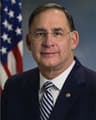 John Boozman
Republican · Arkansas
 John Barrasso
Republican · Wyoming
 Michael Bennet
Democrat · Colorado
 Richard Blumenthal
Democrat · Connecticut
 Cory Booker
Democrat · New Jersey
 Jim Banks
Republican · Indiana
 Ted Budd
Republican · North Carolina
 Katie Britt
Republican · Alabama
 Maria Cantwell
Democrat · Washington
 Susan Collins
Republican · Maine
 Shelley Capito
Republican · West Virginia
 Bill Cassidy
Republican · Louisiana
 Christopher Coons
Democrat · Delaware
 Tom Cotton
Republican · Arkansas
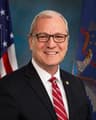 Kevin Cramer
Republican · North Dakota
 Catherine Cortez Masto
Democrat · Nevada
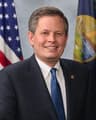 Steve Daines
Republican · Montana
 Tammy Duckworth
Democrat · Illinois
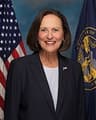 Deb Fischer
Republican · Nebraska
 John Fetterman
Democrat · Pennsylvania
 Lindsey Graham
Republican · South Carolina
 Chuck Grassley
Republican · Iowa
 Kirsten Gillibrand
Democrat · New York
 Ruben Gallego
Democrat · Arizona
 John Hickenlooper
Democrat · Colorado
 Martin Heinrich
Democrat · New Mexico
 John Hoeven
Republican · North Dakota
 Cindy Hyde-Smith
Republican · Mississippi
 James Justice
Republican · West Virginia
 Amy Klobuchar
Democrat · Minnesota
 Mark Kelly
Democrat · Arizona
 Angus King
Independent · Maine
 Timothy Kaine
Democrat · Virginia
 John Kennedy
Republican · Louisiana
 Andy Kim
Democrat · New Jersey
 Ben Luján
Democrat · New Mexico
 Cynthia Lummis
Republican · Wyoming
 James Lankford
Republican · Oklahoma
 Edward Markey
Democrat · Massachusetts
 Mitch McConnell
Republican · Kentucky
 Jerry Moran
Republican · Kansas
 Patty Murray
Democrat · Washington
 Lisa Murkowski
Republican · Alaska
 Jeff Merkley
Democrat · Oregon
 Markwayne Mullin
Republican · Oklahoma
 Roger Marshall
Republican · Kansas
 Bernie Moreno
Republican · Ohio
 David McCormick
Republican · Pennsylvania
 Alex Padilla
Democrat · California
 Gary Peters
Democrat · Michigan
 Mike Rounds
Republican · South Dakota
 Jacky Rosen
Democrat · Nevada
 Pete Ricketts
Republican · Nebraska
 Bernie Sanders
Independent · Vermont
 Adam Schiff
Democrat · California
 Jeanne Shaheen
Democrat · New Hampshire
 Dan Sullivan
Republican · Alaska
 Tina Smith
Democrat · Minnesota
 Elissa Slotkin
Democrat · Michigan
 Eric Schmitt
Republican · Missouri
 Tim Sheehy
Republican · Montana
 John Thune
Republican · South Dakota
 Tommy Tuberville
Republican · Alabama
 Thomas Tillis
Republican · North Carolina
 Chris Van Hollen
Democrat · Maryland
 Roger Wicker
Republican · Mississippi
 Raphael Warnock
Democrat · Georgia
 Peter Welch
Democrat · Vermont
 Sheldon Whitehouse
Democrat · Rhode Island
 Mark Warner
Democrat · Virginia
 Elizabeth Warren
Democrat · Massachusetts
 Todd Young
Republican · Indiana