
Marsha Blackburn (R-TN)
Kids Online Safety Act
A Republican bill with 33 Democratic cosponsors · See all 76 cosponsors
Last activity — Committee on Commerce, Science, and Transportation. Ordered to be reported with an amendment in the nature of a substitute favorably.
In committee
Introduced and handed to a committee in the chamber it started in.
The committee holds it, and most bills are never heard from again. A hearing or a committee vote would be news; silence is the usual outcome, and it kills the bill without anyone voting against it.
Its path through Congress
- Introduced
- In Committee
What this bill would do
The Kids Online Safety Act aims to protect the safety of children and minors on the internet. It requires covered platforms to exercise a duty of care to prevent and mitigate various harms to minors, such as eating disorders, substance use, and sexual exploitation. The bill mandates specific safeguards, including privacy protections, parental tools, and limits on compulsive usage design features. Additionally, it requires transparency through public reports and detailed disclosures regarding personalized recommendation systems. Under Title II, the act addresses "filter bubbles" by requiring platforms using opaque algorithms to allow users to switch to input-transparent algorithms.
Yes· 3 of 13
- Scored +9
Would children be better off under this?
The bill is specifically designed to increase safety and privacy protections for children and minors online.
- Scored +8
Does this give people more control over their personal data?
The act mandates enhanced privacy safeguards, parental tools, and restrictions on geolocation sharing for minors.
- Scored +7
Does this protect people from being watched or searched?
It provides significant new privacy protections and control over personal data for minors on digital platforms.
The opposite
- Scored -4
Would business owners be better off under this?
The bill imposes significant new compliance costs and operational requirements on digital platform operators.
- Scored -3
Does this protect what people are allowed to say in public life?
The bill's requirements on algorithmic presentation and duty of care could potentially impact online speech and expression.
Who it would affect, and how
Potential Positive Impacts for People
-
Protection from Mental Health and Physical Harms: Covered platforms must exercise reasonable care to prevent and mitigate harms such as eating disorders, substance use disorders, suicidal behaviors, and depressive or anxiety disorders related to compulsive usage (Section 102(a)).
-
Enhanced Privacy and Safety for Minors: Platforms are required to provide safeguards that limit communication with others, restrict public access to a minor's personal data, and restrict the sharing of geolocation (Section 103(a)).
-
Increased Parental Control: The bill mandates parental tools that allow parents to manage a minor's privacy settings, restrict purchases and financial transactions, and view and restrict the amount of time a minor spends on a platform (Section 103(b)).
-
Mitigation of Compulsive Usage: Platforms must provide safeguards to limit design features that encourage compulsive usage, such as infinite scrolling or auto playing (Section 103(a)).
-
Greater Algorithmic Transparency: For platforms using opaque algorithms, the act requires providing users with notice of how the algorithm works and the ability to easily switch to an input-transparent algorithm (Section 202(b)).
-
Prevention of Harmful Advertising: Covered platforms are prohibited from facilitating the advertising of narcotic drugs, cannabis, tobacco, gambling, or alcohol to individuals they know are minors (Section 103(d)).
Potential Negative Impacts for People
-
Potential Restrictions on Content Access: The duty of care requirements are subject to rules of construction that ensure platforms are not required to prevent minors from deliberately searching for or accessing specific content (Section 102(b)).
-
Requirements for Data Collection/Verification: While the bill states it does not require affirmative collection of certain data or age gating, it does mandate a study into the technical feasibility of age verification systems at the device or operating system level (Section s 107 and 112(c)).
-
Algorithmic Constraints: The act regulates how "opaque algorithms" function, which could impact how platforms present content to users unless they comply with specific transparency and opt-out requirements (Section 202(a)).
Groups and Interests Ranking
Every group the model scored this bill for, from -10 to +10. Tap or hover a score for the reason it gave.
- Governance And Ideology
- Does this protect people from being watched or searched? — It provides significant new privacy protections and control over personal data for minors on digital platforms. Does this make what the government does easier for the public to see? — The bill requires platforms to issue public reports and undergo third-party audits regarding their impact on minors. Does this give the federal government more power? — The bill expands the regulatory authority of the FTC and establishes a new federal council for online safety. Does this leave more decisions to the states? — The bill allows states to enact laws providing greater protections than those in the federal act.
- Demographic And Interest Groups
- Would children be better off under this? — The bill is specifically designed to increase safety and privacy protections for children and minors online. Would students be better off under this? — The bill provides digital safety protections that are highly relevant to the student demographic. Would people in their twenties and thirties be better off under this? — The protections extend to minors up to age 17, covering much of the young adult demographic. Would people with disabilities be better off under this? — The bill mandates consideration of accessibility in the context of age verification systems. Would business owners be better off under this? — The bill imposes significant new compliance costs and operational requirements on digital platform operators.
- Education And Technology
- Does this give people more control over their personal data? — The act mandates enhanced privacy safeguards, parental tools, and restrictions on geolocation sharing for minors. Does this put more rules on large technology companies? — The bill imposes significant new regulatory obligations and duties of care on major digital platforms.
- Economy And Finance
- Does this give people more protection from unfair business practices? — The bill enhances consumer protections for minors regarding data privacy and algorithmic transparency.
- Healthcare
- Does this make mental health care easier to get? — The bill includes duties of care to mitigate harms related to eating disorders, anxiety, and depression.
- Social Issues And Justice
- Does this expand the rights of people with disabilities? — The bill requires consideration of accessibility for individuals with disabilities in age verification studies. Does this protect what people are allowed to say in public life? — The bill's requirements on algorithmic presentation and duty of care could potentially impact online speech and expression.
- 8/5/2026
- Committee on Commerce, Science, and Transportation. Ordered to be reported with an amendment in the nature of a substitute favorably.
- 6/2/2026
- 1 Cosponsor added.
- 2/3/2026
- 1 Cosponsor added.
- 1/28/2026
- 1 Cosponsor added.
- 1/8/2026
- 1 Cosponsor added.
- 12/15/2025
- 2 Cosponsors added.
- 12/9/2025
- 1 Cosponsor added.
- 12/2/2025
- 1 Cosponsor added.
- 12/1/2025
- 1 Cosponsor added.
- 11/10/2025
- 2 Cosponsors added.
- 10/28/2025
- 1 Cosponsor added.
- 10/23/2025
- 2 Cosponsors added.
- 10/16/2025
- 2 Cosponsors added.
- 10/9/2025
- 18 Cosponsors added.
- 9/18/2025
- 1 Cosponsor added.
- 7/31/2025
- 14 Cosponsors added.
- 7/16/2025
- 4 Cosponsors added.
- 7/8/2025
- 1 Cosponsor added.
- 6/23/2025
- 2 Cosponsors added.
- 6/11/2025
- 17 Cosponsors added.
- 5/14/2025
- Read twice and referred to the Committee on Commerce, Science, and Transportation. (Sponsor introductory remarks on measure: CR S2929-2930)
- 3 Cosponsors added.
- Introduced in Senate
 Angela Alsobrooks
Democrat · Maryland
 John Boozman
Republican · Arkansas
 John Barrasso
Republican · Wyoming
 Michael Bennet
Democrat · Colorado
 Richard Blumenthal
Democrat · Connecticut
 Jim Banks
Republican · Indiana
 Lisa Blunt Rochester
Democrat · Delaware
 Katie Britt
Republican · Alabama
 Mike Crapo
Republican · Idaho
 Susan Collins
Republican · Maine
 Shelley Capito
Republican · West Virginia
 John Cornyn
Republican · Texas
 Bill Cassidy
Republican · Louisiana
 Christopher Coons
Democrat · Delaware
 Tom Cotton
Republican · Arkansas
 Kevin Cramer
Republican · North Dakota
 Catherine Cortez Masto
Democrat · Nevada
 John Curtis
Republican · Utah
 Richard Durbin
Democrat · Illinois
 Steve Daines
Republican · Montana
 Tammy Duckworth
Democrat · Illinois
 Joni Ernst
Republican · Iowa
 Deb Fischer
Republican · Nebraska
 John Fetterman
Democrat · Pennsylvania
 Lindsey Graham
Republican · South Carolina
 Chuck Grassley
Republican · Iowa
 Ruben Gallego
Democrat · Arizona
 John Hickenlooper
Democrat · Colorado
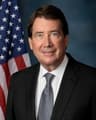 Bill Hagerty
Republican · Tennessee
 Mazie Hirono
Democrat · Hawaii
 Martin Heinrich
Democrat · New Mexico
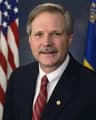 John Hoeven
Republican · North Dakota
 Maggie Hassan
Democrat · New Hampshire
 Cindy Hyde-Smith
Republican · Mississippi
 Josh Hawley
Republican · Missouri
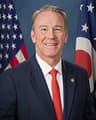 Jon Husted
Republican · Ohio
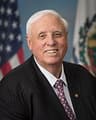 James Justice
Republican · West Virginia
 Amy Klobuchar
Democrat · Minnesota
 Mark Kelly
Democrat · Arizona
 Angus King
Independent · Maine
 Timothy Kaine
Democrat · Virginia
 John Kennedy
Republican · Louisiana
 Andy Kim
Democrat · New Jersey
 Ben Luján
Democrat · New Mexico
 Cynthia Lummis
Republican · Wyoming
 James Lankford
Republican · Oklahoma
 Jerry Moran
Republican · Kansas
 Lisa Murkowski
Republican · Alaska
 Christopher Murphy
Democrat · Connecticut
 Markwayne Mullin
Republican · Oklahoma
 Roger Marshall
Republican · Kansas
 Bernie Moreno
Republican · Ohio
 David McCormick
Republican · Pennsylvania
 Ashley Moody
Republican · Florida
 Jon Ossoff
Democrat · Georgia
 Gary Peters
Democrat · Michigan
 John Reed
Democrat · Rhode Island
 James Risch
Republican · Idaho
 Pete Ricketts
Republican · Nebraska
 Charles Schumer
Democrat · New York
 Adam Schiff
Democrat · California
 Jeanne Shaheen
Democrat · New Hampshire
 Brian Schatz
Democrat · Hawaii
 Dan Sullivan
Republican · Alaska
 Elissa Slotkin
Democrat · Michigan
 Rick Scott
Republican · Florida
 John Thune
Republican · South Dakota
 Tommy Tuberville
Republican · Alabama
 Thomas Tillis
Republican · North Carolina
 Chris Van Hollen
Democrat · Maryland
 Roger Wicker
Republican · Mississippi
 Peter Welch
Democrat · Vermont
 Sheldon Whitehouse
Democrat · Rhode Island
 Mark Warner
Democrat · Virginia
 Elizabeth Warren
Democrat · Massachusetts
 Todd Young
Republican · Indiana