
Rules Committee · Jul 17, 2025
H.Amdt. 49: Its purpose is not yet published.
Adopted
With no one objecting, no names recorded
A Republican bill with 134 Republican cosponsors · See all 135 cosponsors
Last activity — Motion to reconsider laid on the table Agreed to without objection.
Passed one chamber, waiting for the other to take it up
Passed one chamber, and the other has not yet sent it to a committee or put it on its calendar.
The other chamber will hand it to a committee, place it on its calendar, or leave it where it is. Nothing has been decided, and a bill can sit here indefinitely.
Its path through Congress
This act, known as the "Anti-CBDC Surveillance State Act," seeks to amend the Federal Reserve Act. It prohibits Federal Reserve banks from offering financial products or services directly to individuals or maintaining individual accounts. The bill specifically bans the issuance of a central bank digital currency (CBDC) or similar digital assets, whether directly to people or indirectly through financial intermediaries. Additionally, it prevents the Board of Governors and the Federal Open Market Committee from using a CBDC to implement monetary policy. It also stops the Board of Governors from testing, studying, developing, creating, or implementing such digital assets.
Does this give people more control over their personal data?
The bill enhances financial data privacy by prohibiting the central bank from issuing a traceable digital currency.
Does this protect people from being watched or searched?
The bill protects individual privacy by preventing the implementation of a CBDC.
Does this give people more protection from unfair business practices?
The bill protects consumer financial privacy by preventing the implementation of a central bank digital currency.
Does this give the government more power to monitor people inside the country?
The bill aims to reduce potential government surveillance by preventing the creation of a digital currency tracking system.
Does this give the federal government more power?
The bill restricts the expansion of Federal Reserve power regarding digital assets.
One recorded vote has been taken on this bill.
07/17/2025 · Roll call 201 · recorded as “On Passage”
Protection of Financial Privacy: The bill includes an exception that ensures the prohibitions do not prevent the use of dollar-denominated currency that is open, permissionless, private, and preserves the privacy protections of physical currency (Section 4, Subparagraph C).
Restriction of Federal Reserve Services: Federal Reserve banks would be prohibited from offering financial products or services directly to an individual or maintaining accounts for them (Section 2, Paragraph 18(A)).
Limitation of Digital Asset Development: The Board of Governors of the Federal Reserve System is prohibited from testing, studying, developing, creating, or implementing a central bank digital currency or similar digital assets (Section 4, Subparagraph A).
Restriction of Monetary Policy Tools: The Board of Governors and the Federal Open Market Committee are prohibited from using a central bank digital currency or similar digital assets to implement monetary policy (Section 4, Subparagraph B).
Prohibition of Indirect Digital Asset Access: Federal reserve banks are prohibited from offering a central bank digital currency or similar digital assets indirectly to individuals through financial institutions or other intermediaries (Section 3, Paragraph 19(A)).
Every group the model scored this bill for, from -10 to +10. Tap or hover a score for the reason it gave.
Rules Committee · Jul 17, 2025
Adopted
With no one objecting, no names recorded
3 bills Congress.gov lists as related to this one — companions in the other chamber, earlier versions, and bills this one absorbed or was folded into.

Republican · Nevada
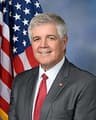
Republican · Oregon

Republican · Oklahoma

Republican · Florida

Republican · Kentucky

Republican · Texas

Republican · Illinois

Republican · Nebraska

Republican · Michigan

Republican · Arizona

Republican · Ohio

Republican · Indiana

Republican · Florida

Republican · Oklahoma

Republican · Washington

Republican · Alaska

Republican · Pennsylvania

Republican · Florida

Republican · Texas

Republican · Oklahoma

Republican · Texas

Republican · Georgia

Republican · Virginia

Republican · Texas

Republican · Ohio

Republican · Georgia

Republican · Arizona

Republican · Arizona

Republican · Colorado

Republican · Florida

Republican · Texas

Republican · Ohio

Republican · Montana

Republican · Texas

Republican · Mississippi

Republican · North Carolina

Republican · Iowa

Republican · Tennessee

Republican · Minnesota

Republican · Wisconsin

Republican · Florida

Republican · Nebraska

Republican · Minnesota

Republican · Missouri

Republican · Kentucky

Republican · Arizona

Republican · Wisconsin

Republican · Texas

Republican · Tennessee

Republican · Mississippi

Republican · Georgia

Republican · New York

Republican · Texas

Republican · Texas

Republican · Michigan

Republican · North Carolina

Republican · Arkansas

Republican · Louisiana
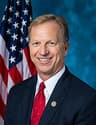
Republican · Oklahoma

Republican · Tennessee

Republican · Iowa

Republican · Indiana

Republican · Wyoming

Republican · Florida

Republican · California

Republican · South Dakota

Republican · Texas

Republican · Georgia
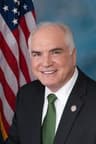
Republican · Pennsylvania

Republican · Mississippi

Republican · California

Republican · New Jersey

Independent · California

Republican · Utah

Republican · Oklahoma

Republican · Ohio

Republican · Georgia

Republican · Illinois

Republican · Louisiana

Republican · Florida

Republican · New York

Republican · New York

Republican · South Carolina

Republican · Kansas

Republican · Texas

Republican · Michigan

Republican · Pennsylvania

Republican · North Carolina

Republican · Illinois

Republican · Alabama

Republican · Georgia

Republican · Texas

Republican · Pennsylvania

Republican · Indiana

Republican · North Carolina

Republican · Virginia

Republican · North Carolina
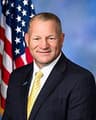
Republican · Texas

Republican · South Carolina

Republican · Iowa

Republican · Utah

Republican · Tennessee
Republican · Texas

Republican · Pennsylvania

Republican · Alabama

Republican · North Carolina

Republican · Florida

Republican · Pennsylvania

Republican · Tennessee

Republican · Texas

Republican · Ohio

Republican · Florida

Republican · Texas

Republican · Nebraska

Republican · Indiana
Republican · Georgia

Republican · Minnesota

Republican · Wisconsin

Republican · Florida

Republican · Kansas
Republican · Wisconsin

Republican · New York

Republican · South Carolina

Republican · Ohio

Republican · California

Republican · New Jersey

Republican · Texas

Republican · Wisconsin

Republican · Virginia

Republican · Arkansas

Republican · Missouri

Republican · Texas

Republican · Texas

Republican · Indiana

Republican · Montana