
W. Steube (R-FL)
Protection of Women in Olympic and Amateur Sports Act of 2026
A Republican bill with 73 Republican cosponsors · See all 73 cosponsors
Last activity — Placed on the Union Calendar, Calendar No. 423.
Cleared committee, waiting for its first floor vote
A committee approved it and it is on the calendar of the chamber it started in.
This is further than most bills get, and still no promise of a vote: the calendar is a queue, and the majority leadership decides what is called. A bill can sit here until the Congress ends.
Its path through Congress
- Introduced
- On Calendar
What this bill would do
This bill, titled the ``Protection of Women in Olympic and Amateur Sports Act of 2026'', seeks to modify eligibility requirements for amateur sports governing organizations. It amends title 36 of the United States Code to include specific definitions for 'female', 'male', and 'sex' based on reproductive systems. These definitions account for developmental or genetic anomalies or historical accidents. Additionally, the bill changes eligibility rules for amateur athletic competitions. It specifically creates a prohibition regarding participation in certain categories.
Yes
- Scored +6
Would women be better off under this?
The bill aims to preserve female athletic categories by restricting participation to biological females.
- Scored +5
Does this give the federal government more power?
The bill expands federal oversight of amateur sports eligibility definitions.
The opposite
- Scored -8
Would LGBTQ people be better off under this?
The bill disproportionately impacts transgender women's ability to participate in sports categories corresponding to their gender identity.
- Scored -7
Does this expand the rights of LGBTQ people?
The bill's biological sex definitions and athletic restrictions negatively impact transgender individuals' rights to participate in sports.
- Scored -3
Does this narrow the gap between how men and women are treated?
While intended to protect female categories, it restricts the rights of individuals assigned male at birth who identify as female.
Who it would affect, and how
Potential Positive Impacts for People
-
Clarification of Sex and Gender Definitions: The bill provides specific definitions for 'female' and 'male' based on the reproductive system that produces, transports, and utilizes eggs or sperm (Section 2, subsection a).
-
Restriction of Competition Categories: The bill prohibits individuals whose sex is male from participating in amateur athletic competitions that are designated for females, women, or girls (Section 2, subsection b).
Potential Negative Impacts for People
-
Impact on Participation: The bill prohibits a person whose sex is defined as male from participating in amateur athletic competitions designated for females, women, or girls (Section 2, subsection b).
-
Specific Definitions for Biological Sex: The bill defines sex as an individual's biological sex, either male or female, which includes considerations for developmental or genetic anomalies or historical accidents (Section 2, subsection a).
Groups and Interests Ranking
Every group the model scored this bill for, from -10 to +10. Tap or hover a score for the reason it gave.
- Social Issues And Justice
- Does this expand the rights of LGBTQ people? — The bill's biological sex definitions and athletic restrictions negatively impact transgender individuals' rights to participate in sports. Does this narrow the gap between how men and women are treated? — While intended to protect female categories, it restricts the rights of individuals assigned male at birth who identify as female.
- Governance And Ideology
- Does this give the federal government more power? — The bill expands federal oversight of amateur sports eligibility definitions.
- Demographic And Interest Groups
- Would women be better off under this? — The bill aims to preserve female athletic categories by restricting participation to biological females. Would LGBTQ people be better off under this? — The bill disproportionately impacts transgender women's ability to participate in sports categories corresponding to their gender identity.
- 2/17/2026
- Reported (Amended) by the Committee on Judiciary. H. Rept. 119-497.
- Placed on the Union Calendar, Calendar No. 423.
- 1 Cosponsor added.
- 2/3/2026
- Committee Consideration and Mark-up Session Held
- Ordered to be Reported (Amended) by the Yeas and Nays: 15 - 10.
- 1 Cosponsor added.
- 12/18/2025
- 1 Cosponsor added.
- 12/15/2025
- 1 Cosponsor added.
- 12/3/2025
- 4 Cosponsors added.
- 10/28/2025
- 1 Cosponsor added.
- 10/24/2025
- 1 Cosponsor added.
- 10/8/2025
- 2 Cosponsors added.
- 10/3/2025
- 1 Cosponsor added.
- 9/19/2025
- 1 Cosponsor added.
- 9/16/2025
- 2 Cosponsors added.
- 9/15/2025
- 3 Cosponsors added.
- 9/4/2025
- 2 Cosponsors added.
- 9/3/2025
- 1 Cosponsor added.
- 9/2/2025
- 3 Cosponsors added.
- 8/26/2025
- 1 Cosponsor added.
- 8/19/2025
- 2 Cosponsors added.
- 8/8/2025
- 5 Cosponsors added.
- 7/29/2025
- 1 Cosponsor added.
- 6/27/2025
- 1 Cosponsor added.
- 2/21/2025
- 1 Cosponsor added.
- 2/14/2025
- 1 Cosponsor added.
- 2/10/2025
- 1 Cosponsor added.
- 2/7/2025
- 1 Cosponsor added.
- 2/6/2025
- 5 Cosponsors added.
- 2/5/2025
- Referred to the House Committee on the Judiciary.
- 29 Cosponsors added.
- Introduced in House
One bill Congress.gov lists as related to this one — companions in the other chamber, earlier versions, and bills this one absorbed or was folded into.
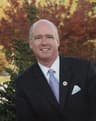 Robert Aderholt
Republican · Alabama
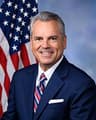 Mark Alford
Republican · Missouri
 Gus Bilirakis
Republican · Florida
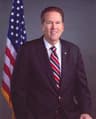 Vern Buchanan
Republican · Florida
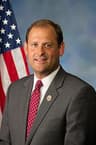 Andy Barr
Republican · Kentucky
 Brian Babin
Republican · Texas
 Mike Bost
Republican · Illinois
 Andy Biggs
Republican · Arizona
 James Baird
Republican · Indiana
 Tim Burchett
Republican · Tennessee
 Eric Burlison
Republican · Missouri
 Sheri Biggs
Republican · South Carolina
 John Carter
Republican · Texas
 Andrew Clyde
Republican · Georgia
 Ben Cline
Republican · Virginia
 Elijah Crane
Republican · Arizona
 Byron Donalds
Republican · Florida
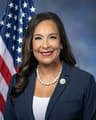 Monica De La Cruz
Republican · Texas
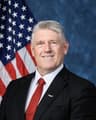 Troy Downing
Republican · Montana
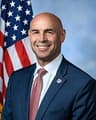 Jake Ellzey
Republican · Texas
 Chuck Edwards
Republican · North Carolina
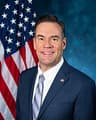 Russ Fulcher
Republican · Idaho
 Scott Franklin
Republican · Florida
 Russell Fry
Republican · South Carolina
 Paul Gosar
Republican · Arizona
 Michael Guest
Republican · Mississippi
 Marjorie Greene
Republican · Georgia
 Brandon Gill
Republican · Texas
 Andy Harris
Republican · Maryland
 Richard Hudson
Republican · North Carolina
 Ashley Hinson
Republican · Iowa
 Erin Houchin
Republican · Indiana
 Wesley Hunt
Republican · Texas
 Harriet Hageman
Republican · Wyoming
 Mike Haridopolos
Republican · Florida
 Pat Harrigan
Republican · North Carolina
 Mark Harris
Republican · North Carolina
 Dusty Johnson
Republican · South Dakota
 John James
Republican · Michigan
 Mike Kelly
Republican · Pennsylvania
 David Kustoff
Republican · Tennessee
 Doug LaMalfa
Republican · California
 Laurel Lee
Republican · Florida
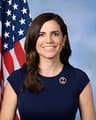 Nancy Mace
Republican · South Carolina
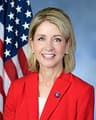 Mary Miller
Republican · Illinois
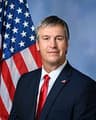 Barry Moore
Republican · Alabama
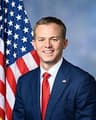 Blake Moore
Republican · Utah
 Mariannette Miller-Meeks
Republican · Iowa
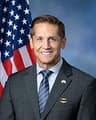 Richard McCormick
Republican · Georgia
 Mark Messmer
Republican · Indiana
 Riley Moore
Republican · West Virginia
 Tim Moore
Republican · North Carolina
 John McGuire
Republican · Virginia
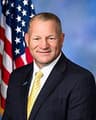 Troy Nehls
Republican · Texas
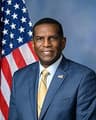 Burgess Owens
Republican · Utah
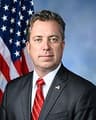 Andrew Ogles
Republican · Tennessee
 Robert Onder
Republican · Missouri
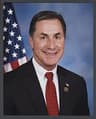 Gary Palmer
Republican · Alabama
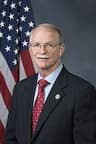 John Rutherford
Republican · Florida
 Adrian Smith
Republican · Nebraska
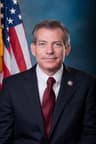 David Schweikert
Republican · Arizona
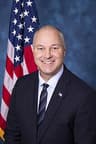 Pete Stauber
Republican · Minnesota
 Keith Self
Republican · Texas
 Claudia Tenney
Republican · New York
 William Timmons
Republican · South Carolina
 David Taylor
Republican · Ohio
 Jefferson Van Drew
Republican · New Jersey
 Derrick Van Orden
Republican · Wisconsin
 Daniel Webster
Republican · Florida
 Randy Weber
Republican · Texas
 Roger Williams
Republican · Texas
 Rudy Yakym
Republican · Indiana
 Ryan Zinke
Republican · Montana