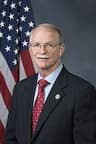
John Rutherford (R-FL)
Federal Firearms Licensee Protection Act of 2025
A Republican bill with 5 Democratic cosponsors · See all 145 cosponsors
Last activity — Referred to the House Committee on the Judiciary.
In committee
Introduced and handed to a committee in the chamber it started in.
The committee holds it, and most bills are never heard from again. A hearing or a committee vote would be news; silence is the usual outcome, and it kills the bill without anyone voting against it.
Its path through Congress
- Introduced
- In Committee
What this bill would do
This bill is called the Federal Firearms Licensee Protection Act of 2025. It aims to increase the penalties for stealing a firearm from a federally licensed firearms dealer, manufacturer, or importer. Under the bill, anyone who knowingly steals or attempts to steal a firearm from these licensees can face a fine and up to 20 years in prison. If the theft happens during a burglary, the offender faces a mandatory minimum sentence of 3 years. If the theft happens during a robbery, the offender faces a mandatory minimum sentence of 5 years. Finally, the bill also updates penalties to include anyone who attempts to steal from a licensed collector.
Yes· 3 of 5
- Scored +5
Would business owners be better off under this?
Specifically protects federal firearms licensees from theft through increased deterrents.
- Scored +3
Does this make it easier to run a small business?
Provides greater legal protection and deterrence against theft for licensed firearm dealers, many of whom are small businesses.
- Scored +2
Would gun owners be better off under this?
Indirectly benefits gun owners by aiming to reduce illegal firearm trafficking resulting from licensee thefts.
The opposite
- Scored -4
Does this shorten or soften prison sentences?
Increases mandatory minimums and maximum prison terms, which generally opposes sentencing reform trends.
- Scored -2
Does this leave more decisions to the states?
Shifts more weight toward federal mandatory minimums over state discretion.
Who it would affect, and how
Potential Positive Impacts for People
-
Section 2 enhances penalties by setting a prison sentence of not more than 20 years for anyone who knowingly violates or attempts to violate section 922(u), which could be seen as positive for deterring the theft of firearms from licensees.
-
Section 2 establishes a mandatory minimum prison sentence of not less than 3 years if the theft or attempted theft occurs during a burglary, which provides a stricter consequence for this specific crime.
-
Section 2 establishes a mandatory minimum prison sentence of not less than 5 years if the theft or attempted theft occurs during a robbery, which ensures harsher punishment for those robbing licensed firearm premises.
Potential Negative Impacts for People
Based on the provided text, there are no specific sections or provisions identified that outline potential negative impacts, burdens, or consequences for individuals or groups of people in the United States.
Groups and Interests Ranking
Every group the model scored this bill for, from -10 to +10. Tap or hover a score for the reason it gave.
- Demographic And Interest Groups
- Would business owners be better off under this? — Specifically protects federal firearms licensees from theft through increased deterrents. Would gun owners be better off under this? — Indirectly benefits gun owners by aiming to reduce illegal firearm trafficking resulting from licensee thefts.
- Economy And Finance
- Does this make it easier to run a small business? — Provides greater legal protection and deterrence against theft for licensed firearm dealers, many of whom are small businesses.
- Social Issues And Justice
- Does this put more limits on buying or owning guns? — Aims to reduce the number of firearms entering the illegal market via theft from licensees. Does this shorten or soften prison sentences? — Increases mandatory minimums and maximum prison terms, which generally opposes sentencing reform trends.
- Governance And Ideology
- Does this give the federal government more power? — Increases federal sentencing authority over specific firearm thefts. Does this leave more decisions to the states? — Shifts more weight toward federal mandatory minimums over state discretion.
- 10/26/2026
- 1 Cosponsor added.
- 9/24/2026
- 3 Cosponsors added.
- 9/16/2026
- 1 Cosponsor added.
- 9/15/2026
- 5 Cosponsors added.
- 9/14/2026
- 13 Cosponsors added.
- 9/10/2026
- 8 Cosponsors added.
- 9/8/2026
- 11 Cosponsors added.
- 9/2/2026
- 4 Cosponsors added.
- 8/31/2026
- 8 Cosponsors added.
- 8/13/2026
- 8 Cosponsors added.
- 7/23/2026
- 3 Cosponsors added.
- 5/21/2026
- 1 Cosponsor added.
- 2/24/2026
- 1 Cosponsor added.
- 12/23/2025
- 1 Cosponsor added.
- 12/15/2025
- 2 Cosponsors added.
- 12/5/2025
- 1 Cosponsor added.
- 11/17/2025
- 1 Cosponsor added.
- 10/17/2025
- 5 Cosponsors added.
- 9/15/2025
- 3 Cosponsors added.
- 8/29/2025
- 2 Cosponsors added.
- 6/9/2025
- 1 Cosponsor added.
- 6/5/2025
- 4 Cosponsors added.
- 5/13/2025
- 2 Cosponsors added.
- 4/17/2025
- 1 Cosponsor added.
- 3/31/2025
- 2 Cosponsors added.
- 3/24/2025
- 3 Cosponsors added.
- 3/14/2025
- 6 Cosponsors added.
- 3/10/2025
- 1 Cosponsor added.
- 3/3/2025
- Referred to the House Committee on the Judiciary.
- 43 Cosponsors added.
- Introduced in House
One bill Congress.gov lists as related to this one — companions in the other chamber, earlier versions, and bills this one absorbed or was folded into.
 Mark Amodei
Republican · Nevada
 Mark Alford
Republican · Missouri
 Gus Bilirakis
Republican · Florida
 Vern Buchanan
Republican · Florida
 Brian Babin
Republican · Texas
 Mike Bost
Republican · Illinois
 Jack Bergman
Republican · Michigan
 Andy Biggs
Republican · Arizona
 Troy Balderson
Republican · Ohio
 Tim Burchett
Republican · Tennessee
 Aaron Bean
Republican · Florida
 Eric Burlison
Republican · Missouri
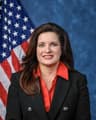 Sheri Biggs
Republican · South Carolina
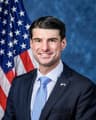 Robert Bresnahan
Republican · Pennsylvania
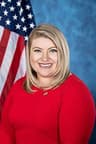 Kat Cammack
Republican · Florida
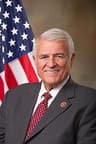 John Carter
Republican · Texas
 Earl Carter
Republican · Georgia
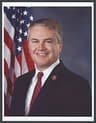 James Comer
Republican · Kentucky
 Michael Cloud
Republican · Texas
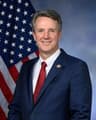 Ben Cline
Republican · Virginia
 Dan Crenshaw
Republican · Texas
 Mike Carey
Republican · Ohio
 Mike Collins
Republican · Georgia
 Jeff Crank
Republican · Colorado
 Byron Donalds
Republican · Florida
 Donald Davis
Democrat · North Carolina
 Monica De La Cruz
Republican · Texas
 Mario Diaz-Balart
Republican · Florida
 Scott DesJarlais
Republican · Tennessee
 Troy Downing
Republican · Montana
 Jake Ellzey
Republican · Texas
 Mike Ezell
Republican · Mississippi
 Ron Estes
Republican · Kansas
 Gabe Evans
Republican · Colorado
 Pat Fallon
Republican · Texas
 Randy Feenstra
Republican · Iowa
 Virginia Foxx
Republican · North Carolina
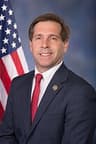 Charles Fleischmann
Republican · Tennessee
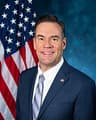 Russ Fulcher
Republican · Idaho
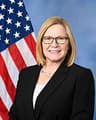 Michelle Fischbach
Republican · Minnesota
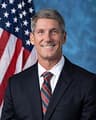 Scott Franklin
Republican · Florida
 Mike Flood
Republican · Nebraska
 Brad Finstad
Republican · Minnesota
 Russell Fry
Republican · South Carolina
 Julie Fedorchak
Republican · North Dakota
 Randy Fine
Republican · Florida
 Sam Graves
Republican · Missouri
 Brett Guthrie
Republican · Kentucky
 Paul Gosar
Republican · Arizona
 H. Griffith
Republican · Virginia
 Josh Gottheimer
Democrat · New Jersey
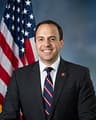 Lance Gooden
Republican · Texas
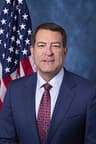 Mark Green
Republican · Tennessee
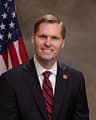 Michael Guest
Republican · Mississippi
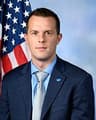 Jared Golden
Democrat · Maine
 Carlos Gimenez
Republican · Florida
 Tony Gonzales
Republican · Texas
 Andrew Garbarino
Republican · New York
 Marie Perez
Democrat · Washington
 Craig Goldman
Republican · Texas
 Laura Gillen
Democrat · New York
 Brandon Gill
Republican · Texas
 Andy Harris
Republican · Maryland
 Bill Huizenga
Republican · Michigan
 Richard Hudson
Republican · North Carolina
 J. Hill
Republican · Arkansas
 Clay Higgins
Republican · Louisiana
 Kevin Hern
Republican · Oklahoma
 Ashley Hinson
Republican · Iowa
 Erin Houchin
Republican · Indiana
 Wesley Hunt
Republican · Texas
 Mike Haridopolos
Republican · Florida
 Pat Harrigan
Republican · North Carolina
 Darrell Issa
Republican · California
 Ronny Jackson
Republican · Texas
 Brian Jack
Republican · Georgia
 Mike Kelly
Republican · Pennsylvania
 Trent Kelly
Republican · Mississippi
 David Kustoff
Republican · Tennessee
 Jennifer Kiggans
Republican · Virginia
 Mike Kennedy
Republican · Utah
 Robert Latta
Republican · Ohio
 Barry Loudermilk
Republican · Georgia
 Julia Letlow
Republican · Louisiana
 Anna Paulina Luna
Republican · Florida
 Laurel Lee
Republican · Florida
 Nick LaLota
Republican · New York
 Nicholas Langworthy
Republican · New York
 Morgan Luttrell
Republican · Texas
 Nancy Mace
Republican · South Carolina
 Tracey Mann
Republican · Kansas
 John Moolenaar
Republican · Michigan
 Daniel Meuser
Republican · Pennsylvania
 Carol Miller
Republican · West Virginia
 Gregory Murphy
Republican · North Carolina
 Mary Miller
Republican · Illinois
 Barry Moore
Republican · Alabama
 Blake Moore
Republican · Utah
 Cory Mills
Republican · Florida
 Max Miller
Republican · Ohio
 Nathaniel Moran
Republican · Texas
 Celeste Maloy
Republican · Utah
 Mark Messmer
Republican · Indiana
 Riley Moore
Republican · West Virginia
 Tim Moore
Republican · North Carolina
 Addison McDowell
Republican · North Carolina
 Troy Nehls
Republican · Texas
 Ralph Norman
Republican · South Carolina
 Burgess Owens
Republican · Utah
 August Pfluger
Republican · Texas
 Scott Perry
Republican · Pennsylvania
 Mike Rogers
Republican · Alabama
 David Rouzer
Republican · North Carolina
 Guy Reschenthaler
Republican · Pennsylvania
 John Rose
Republican · Tennessee
 Michael Rulli
Republican · Ohio
 Pete Sessions
Republican · Texas
 Michael Simpson
Republican · Idaho
 Adrian Smith
Republican · Nebraska
 Marlin Stutzman
Republican · Indiana
 Austin Scott
Republican · Georgia
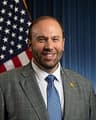 Jason Smith
Republican · Missouri
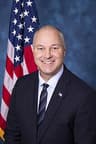 Pete Stauber
Republican · Minnesota
 W. Steube
Republican · Florida
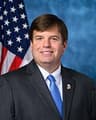 Dale Strong
Republican · Alabama
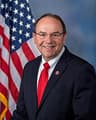 Thomas Tiffany
Republican · Wisconsin
 Glenn Thompson
Republican · Pennsylvania
 Claudia Tenney
Republican · New York
 William Timmons
Republican · South Carolina
 David Taylor
Republican · Ohio
 David Valadao
Republican · California
 Beth Van Duyne
Republican · Texas
 Derrick Van Orden
Republican · Wisconsin
 Matt Van Epps
Republican · Tennessee
 Joe Wilson
Republican · South Carolina
 Tim Walberg
Republican · Michigan
 Robert Wittman
Republican · Virginia
 Daniel Webster
Republican · Florida
 Steve Womack
Republican · Arkansas
 Ann Wagner
Republican · Missouri
 Randy Weber
Republican · Texas
 Roger Williams
Republican · Texas
 Tony Wied
Republican · Wisconsin
 Rudy Yakym
Republican · Indiana
 Ryan Zinke
Republican · Montana