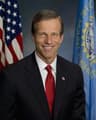
A Republican bill with 18 Democratic cosponsors · See all 34 cosponsors
Last activity — Read twice and referred to the Committee on Finance. (text: CR S4701)
In committee
Introduced and handed to a committee in the chamber it started in.
The committee holds it, and most bills are never heard from again. A hearing or a committee vote would be news; silence is the usual outcome, and it kills the bill without anyone voting against it.
Its path through Congress
- Introduced
- In Committee
What this bill would do
This bill is known as the Equitable Community Access to Pharmacist Services Act and was introduced in the Senate on July 24, 2025. It amends title XVIII of the Social Security Act to provide Medicare Part B coverage for certain services furnished by pharmacists. Under the bill, covered pharmacist services include evaluations, testing, and treatment for illnesses like COVID-19, influenza, respiratory syncytial virus, and streptococcal pharyngitis. It also covers testing or treatment services that address a public health need related to a declared public health emergency. The legislation outlines payment amounts for these services and prohibits balance billing by pharmacists. The changes made by this section are set to apply to items and services furnished on or after January 1, 2026.
Yes· 3 of 6
- Scored +6
Does this make health care easier to get in general?
The bill increases healthcare access by allowing Medicare beneficiaries to receive testing and treatment for various illnesses through pharmacists.
- Scored +5
Does this put more money into Medicare, the health coverage for people over 65?
The bill expands Medicare Part B coverage to include specific pharmacist services for evaluation and management.
- Scored +5
Would people over 65 be better off under this?
The bill benefits seniors by expanding the range of covered medical services available to them through Medicare Part B.
The opposite
No question was scored the opposite.
Who it would affect, and how
Potential Positive Impacts for People
-
Section 2(a) adds pharmacist services to Medicare Part B coverage, which could make it easier for people to access evaluation, testing, and treatment for common illnesses like COVID-19, the flu, RSV, and strep throat directly from their local pharmacists.
-
Section 2(a) also covers testing and treatment services that address public health needs related to declared public health emergencies, helping individuals get necessary care during critical health crises.
-
Section 2(b) sets up Medicare payments for these pharmacist services at 80 percent of the actual charge or a set percentage of the established payment basis, with up to 100 percent coverage for services addressing a declared public health need, which can reduce out-of-pocket costs for patients.
-
Section 2(c) prohibits balance billing for pharmacist services, protecting consumers from being charged extra amounts above the approved Medicare payment rates for these services.
Potential Negative Impacts for People
- The provided text does not contain any specific provisions outlining potential negative impacts, burdens, or consequences for individuals or groups of people in the United States.
Groups and Interests Ranking
Every group the model scored this bill for, from -10 to +10. Tap or hover a score for the reason it gave.
- Healthcare
- Does this make health care easier to get in general? — The bill increases healthcare access by allowing Medicare beneficiaries to receive testing and treatment for various illnesses through pharmacists. Does this put more money into Medicare, the health coverage for people over 65? — The bill expands Medicare Part B coverage to include specific pharmacist services for evaluation and management. Does this make the country readier for the next outbreak? — The bill enhances public health preparedness by authorizing coverage for services addressing declared public health emergencies.
- Demographic And Interest Groups
- Would retired people be better off under this? — The bill improves care options for retirees by enabling pharmacist-led services under Medicare. Would people over 65 be better off under this? — The bill benefits seniors by expanding the range of covered medical services available to them through Medicare Part B. Would households on low incomes be better off under this? — The bill provides financial protection for low-income individuals on Medicare by prohibiting balance billing for these services.
- 11/9/2026
- 1 Cosponsor added.
- 9/29/2026
- 1 Cosponsor added.
- 9/23/2026
- 1 Cosponsor added.
- 6/16/2026
- 2 Cosponsors added.
- 2/9/2026
- 2 Cosponsors added.
- 12/2/2025
- 1 Cosponsor added.
- 11/20/2025
- 2 Cosponsors added.
- 10/22/2025
- 1 Cosponsor added.
- 10/16/2025
- 1 Cosponsor added.
- 10/14/2025
- 2 Cosponsors added.
- 10/8/2025
- 2 Cosponsors added.
- 10/7/2025
- 2 Cosponsors added.
- 9/17/2025
- 4 Cosponsors added.
- 9/9/2025
- 2 Cosponsors added.
- 9/3/2025
- 2 Cosponsors added.
- 7/30/2025
- 1 Cosponsor added.
- 7/24/2025
- Read twice and referred to the Committee on Finance. (text: CR S4701)
- 7 Cosponsors added.
- Introduced in Senate
One bill Congress.gov lists as related to this one — companions in the other chamber, earlier versions, and bills this one absorbed or was folded into.
 Marsha Blackburn
Republican · Tennessee
 Michael Bennet
Democrat · Colorado
 Lisa Blunt Rochester
Democrat · Delaware
 Susan Collins
Republican · Maine
 Shelley Capito
Republican · West Virginia
 John Cornyn
Republican · Texas
 Christopher Coons
Democrat · Delaware
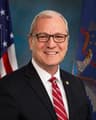 Kevin Cramer
Republican · North Dakota
 Catherine Cortez Masto
Democrat · Nevada
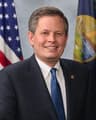 Steve Daines
Republican · Montana
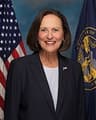 Deb Fischer
Republican · Nebraska
 Martin Heinrich
Democrat · New Mexico
 Maggie Hassan
Democrat · New Hampshire
 Amy Klobuchar
Democrat · Minnesota
 Mark Kelly
Democrat · Arizona
 Timothy Kaine
Democrat · Virginia
 John Kennedy
Republican · Louisiana
 James Lankford
Republican · Oklahoma
 Patty Murray
Democrat · Washington
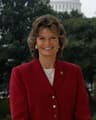 Lisa Murkowski
Republican · Alaska
 Jeff Merkley
Democrat · Oregon
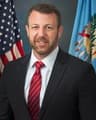 Markwayne Mullin
Republican · Oklahoma
 Roger Marshall
Republican · Kansas
 David McCormick
Republican · Pennsylvania
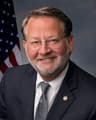 Gary Peters
Democrat · Michigan
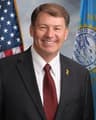 Mike Rounds
Republican · South Dakota
 Adam Schiff
Democrat · California
 Jeanne Shaheen
Democrat · New Hampshire
 Dan Sullivan
Republican · Alaska
 Thomas Tillis
Republican · North Carolina
 Peter Welch
Democrat · Vermont
 Sheldon Whitehouse
Democrat · Rhode Island
 Mark Warner
Democrat · Virginia
 Elizabeth Warren
Democrat · Massachusetts