
A Republican bill with 149 Democratic cosponsors · See all 224 cosponsors
Last activity — Referred to the Committee on Energy and Commerce, and in addition to the Committees on Education and Workforce, and Ways and Means, for a period to be subsequently determined by the Speaker, in each case for consideration of such provisions as fall within the jurisdiction of the committee concerned.
In committee
Introduced and handed to a committee in the chamber it started in.
The committee holds it, and most bills are never heard from again. A hearing or a committee vote would be news; silence is the usual outcome, and it kills the bill without anyone voting against it.
Its path through Congress
- Introduced
- In Committee
What this bill would do
This bill is called the Ensuring Lasting Smiles Act. It requires group health plans and health insurance issuers to cover outpatient and inpatient items and services for diagnosing and treating congenital anomalies or birth defects. The targeted conditions are those that primarily impact the appearance or function of the eyes, ears, teeth, mouth, or jaw. Plans must provide this coverage with cost-sharing requirements that are no more restrictive than those applied to other medical and surgical benefits. The bill also requires health plans to notify participants and beneficiaries about this coverage starting no later than January 1, 2026. Finally, the Secretary of Health and Human Services must study and report to Congress on network adequacy and out-of-pocket costs by December 31, 2027.
Yes· 3 of 22
- Scored +9
Would children be better off under this?
Most congenital anomalies are identified at birth, and this bill secures their long-term treatment coverage.
- Scored +9
Would people with disabilities be better off under this?
Directly improves health outcomes and financial accessibility for those with congenital physical disabilities.
- Scored +8
Would households on low incomes be better off under this?
Reduces the catastrophic out-of-pocket costs associated with birth defect treatments.
The opposite
- Scored -2
Would business owners be better off under this?
May increase costs for employer-sponsored group health plans.
- Scored -2
Does this lower what people pay for private health insurance?
Mandating new coverage benefits may lead to slight increases in premiums for private insurance plans.
Who it would affect, and how
Potential Positive Impacts for People
-
Coverage for Reconstructive Treatment: Section 2 adds provisions like section 2799A-11(a)(1) to the Public Health Service Act, requiring group health plans and health insurance issuers to cover inpatient and outpatient items and services for congenital anomalies or birth defects affecting the eyes, ears, teeth, mouth, or jaw. This ensures individuals can get medical care to repair or restore body parts to normal functioning or appearance.
-
Dental and Orthodontic Support: Section 2 adds section 2799A-11(a)(3)(A)(ii)(II), which provides adjunctive dental, orthodontic, or prosthodontic support from birth until medical or surgical treatment is completed. This helps patients maintain function and approximate a normal appearance without being blocked by standard plan exclusions on dental services.
-
Fair Cost-Sharing Rules: Section 2 adds section 2799A-11(a)(2), which dictates that financial requirements like copayments, coinsurance, and deductibles for this coverage cannot be more restrictive than the predominant cost-sharing applied to substantially all other medical and surgical benefits. This protects patients from facing unfair financial barriers for their care.
-
Required Patient Notice: Section 2 adds section 2799A-11(b), requiring health plans and issuers to give notice to participants and beneficiaries about the required coverage in service documents starting no later than January 1, 2026. This keeps people informed of the benefits they are entitled to receive.
Potential Negative Impacts for People
- Exclusion of General Cosmetic Surgery: Section 2 adds section 2799A-11(a)(3)(B), which excludes cosmetic surgery performed to reshape normal body structures simply to improve appearance or self-esteem if it is not the result of a medical determination of a congenital anomaly or birth defect. While intended to target specific medical conditions, individuals seeking general cosmetic enhancements will not receive coverage under these provisions.
Groups and Interests Ranking
Every group the model scored this bill for, from -10 to +10. Tap or hover a score for the reason it gave.
- Demographic And Interest Groups
- Would children be better off under this? — Most congenital anomalies are identified at birth, and this bill secures their long-term treatment coverage. Would people with disabilities be better off under this? — Directly improves health outcomes and financial accessibility for those with congenital physical disabilities. Would households on low incomes be better off under this? — Reduces the catastrophic out-of-pocket costs associated with birth defect treatments. Would middle-income households be better off under this? — Provides guaranteed coverage for expensive specialized dental and surgical needs. Would people in their twenties and thirties be better off under this? — Provides coverage for the completion of reconstructive services and ongoing maintenance into adulthood. Would Black Americans be better off under this? — Increases healthcare access for an underserved population affected by congenital conditions. Would Asian Americans be better off under this? — Increases healthcare access for an underserved population affected by congenital conditions. Would Hispanic Americans be better off under this? — Increases healthcare access for an underserved population affected by congenital conditions. Would men be better off under this? — Positively impacts fathers managing the care of children with birth defects. Would people in middle age be better off under this? — Benefits those who may have had congenital defects identified later in life or need ongoing care. Would Native Americans be better off under this? — Increases healthcare access for an underserved population affected by congenital conditions. Would students be better off under this? — Students with congenital defects will have better insurance support for their medical needs. Would union members be better off under this? — Many union workers rely on group health plans which will now be required to offer this coverage. Would white Americans be better off under this? — Increases healthcare access for individuals affected by congenital conditions. Would women be better off under this? — Positively impacts mothers managing the care of children with birth defects. Would high-income households be better off under this? — Increases available coverage, though they are less sensitive to the cost of these services. Would people over 65 be better off under this? — Provides coverage for late-identified anomalies, though impact is lower than for children. Would business owners be better off under this? — May increase costs for employer-sponsored group health plans.
- Social Issues And Justice
- Does this expand the rights of people with disabilities? — Ensures that individuals with physical birth defects have the insurance coverage needed to restore function and appearance. Is this likely to lift people out of poverty? — Reduces the financial burden on families dealing with expensive congenital anomaly treatments.
- Healthcare
- Does this make health care easier to get in general? — Significantly expands access to medically necessary reconstructive and dental care for individuals with congenital anomalies. Does this lower what people pay for private health insurance? — Mandating new coverage benefits may lead to slight increases in premiums for private insurance plans.
- Economy And Finance
- Does this give people more protection from unfair business practices? — Increases protections for insurance consumers by mandating coverage for specific birth defects.
- Governance And Ideology
- Does this give the federal government more power? — Sets federal mandates for health insurance coverage across various plan types.
- 11/11/2026
- 1 Cosponsor added.
- 11/10/2026
- 1 Cosponsor added.
- 11/2/2026
- 2 Cosponsors added.
- 10/29/2026
- 6 Cosponsors added.
- 10/22/2026
- 3 Cosponsors added.
- 10/9/2026
- 4 Cosponsors added.
- 10/1/2026
- 2 Cosponsors added.
- 9/28/2026
- 1 Cosponsor added.
- 9/14/2026
- 3 Cosponsors added.
- 9/10/2026
- 6 Cosponsors added.
- 9/3/2026
- 2 Cosponsors added.
- 9/2/2026
- 2 Cosponsors added.
- 9/1/2026
- 3 Cosponsors added.
- 8/31/2026
- 11 Cosponsors added.
- 8/10/2026
- 6 Cosponsors added.
- 7/20/2026
- 2 Cosponsors added.
- 7/15/2026
- 1 Cosponsor added.
- 7/13/2026
- 1 Cosponsor added.
- 7/6/2026
- 1 Cosponsor added.
- 6/29/2026
- 1 Cosponsor added.
- 6/23/2026
- 2 Cosponsors added.
- 6/11/2026
- 1 Cosponsor added.
- 6/2/2026
- 1 Cosponsor added.
- 5/29/2026
- 1 Cosponsor added.
- 5/21/2026
- 1 Cosponsor added.
- 5/15/2026
- 1 Cosponsor added.
- 5/14/2026
- 1 Cosponsor added.
- 5/12/2026
- 3 Cosponsors added.
- 4/27/2026
- 1 Cosponsor added.
- 4/22/2026
- 1 Cosponsor added.
- 4/21/2026
- 1 Cosponsor added.
- 4/14/2026
- 6 Cosponsors added.
- 3/26/2026
- 2 Cosponsors added.
- 3/24/2026
- 1 Cosponsor added.
- 3/18/2026
- 3 Cosponsors added.
- 3/17/2026
- 5 Cosponsors added.
- 3/4/2026
- 2 Cosponsors added.
- 3/3/2026
- 5 Cosponsors added.
- 2/9/2026
- 4 Cosponsors added.
- 1/13/2026
- 1 Cosponsor added.
- 1/12/2026
- 1 Cosponsor added.
- 1/8/2026
- 2 Cosponsors added.
- 1/7/2026
- 5 Cosponsors added.
- 12/18/2025
- 3 Cosponsors added.
- 12/17/2025
- 1 Cosponsor added.
- 12/16/2025
- 1 Cosponsor added.
- 12/3/2025
- 1 Cosponsor added.
- 11/19/2025
- 7 Cosponsors added.
- 11/18/2025
- 5 Cosponsors added.
- 10/28/2025
- 4 Cosponsors added.
- 10/21/2025
- 7 Cosponsors added.
- 10/8/2025
- 2 Cosponsors added.
- 9/30/2025
- 2 Cosponsors added.
- 9/18/2025
- 1 Cosponsor added.
- 9/17/2025
- 6 Cosponsors added.
- 9/9/2025
- 3 Cosponsors added.
- 9/3/2025
- 1 Cosponsor added.
- 8/26/2025
- 4 Cosponsors added.
- 8/1/2025
- 7 Cosponsors added.
- 7/22/2025
- 4 Cosponsors added.
- 7/14/2025
- 8 Cosponsors added.
- 6/27/2025
- 1 Cosponsor added.
- 6/24/2025
- 5 Cosponsors added.
- 6/10/2025
- 3 Cosponsors added.
- 6/5/2025
- 7 Cosponsors added.
- 5/21/2025
- 9 Cosponsors added.
- 5/8/2025
- Referred to the Committee on Energy and Commerce, and in addition to the Committees on Education and Workforce, and Ways and Means, for a period to be subsequently determined by the Speaker, in each case for consideration of such provisions as fall within the jurisdiction of the committee concerned.
- 22 Cosponsors added.
- Introduced in House
One bill Congress.gov lists as related to this one — companions in the other chamber, earlier versions, and bills this one absorbed or was folded into.
 Robert Aderholt
Republican · Alabama
 Jake Auchincloss
Democrat · Massachusetts
 Mark Amodei
Republican · Nevada
 Pete Aguilar
Democrat · California
 Rick Allen
Republican · Georgia
 Mark Alford
Republican · Missouri
 Gabe Amo
Democrat · Rhode Island
 Yassamin Ansari
Democrat · Arizona
 Sanford Bishop
Democrat · Georgia
 Stephanie Bice
Republican · Oklahoma
 Gus Bilirakis
Republican · Florida
 Suzanne Bonamici
Democrat · Oregon
 Joyce Beatty
Democrat · Ohio
 Andy Barr
Republican · Kentucky
 Julia Brownley
Democrat · California
 Ami Bera
Democrat · California
 Brian Babin
Republican · Texas
 Donald Beyer
Democrat · Virginia
 Mike Bost
Republican · Illinois
 Nanette Barragán
Democrat · California
 Jack Bergman
Republican · Michigan
 Aaron Bean
Republican · Florida
 Nikki Budzinski
Democrat · Illinois
 Becca Balint
Democrat · Vermont
 Michael Baumgartner
Republican · Washington
 Nicholas Begich
Republican · Alaska
 Wesley Bell
Democrat · Missouri
 Janelle Bynum
Democrat · Oregon
 Robert Bresnahan
Republican · Pennsylvania
 Ken Calvert
Republican · California
 Kat Cammack
Republican · Florida
 Jim Costa
Democrat · California
 Emanuel Cleaver
Democrat · Missouri
 Kathy Castor
Democrat · Florida
 Yvette Clarke
Democrat · New York
 Steve Cohen
Democrat · Tennessee
 Joe Courtney
Democrat · Connecticut
 André Carson
Democrat · Indiana
 Judy Chu
Democrat · California
 Joaquin Castro
Democrat · Texas
 Earl Carter
Republican · Georgia
 J. Correa
Democrat · California
 Salud Carbajal
Democrat · California
 Angie Craig
Democrat · Minnesota
 Dan Crenshaw
Republican · Texas
 Jason Crow
Democrat · Colorado
 Gilbert Cisneros
Democrat · California
 Sheila Cherfilus-McCormick
Democrat · Florida
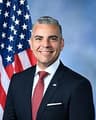 Juan Ciscomani
Republican · Arizona
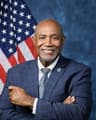 Herbert Conaway
Democrat · New Jersey
 Rosa DeLauro
Democrat · Connecticut
 Donald Davis
Democrat · North Carolina
 Lloyd Doggett
Democrat · Texas
 Christopher Deluzio
Democrat · Pennsylvania
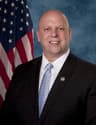 Scott DesJarlais
Republican · Tennessee
 Suzan DelBene
Democrat · Washington
 Debbie Dingell
Democrat · Michigan
 Sharice Davids
Democrat · Kansas
 Veronica Escobar
Democrat · Texas
 Gabe Evans
Republican · Colorado
 Sarah Elfreth
Democrat · Maryland
 Cleo Fields
Democrat · Louisiana
 Randy Feenstra
Republican · Iowa
 Charles Fleischmann
Republican · Tennessee
 Lois Frankel
Democrat · Florida
 Brian Fitzpatrick
Republican · Pennsylvania
 Michelle Fischbach
Republican · Minnesota
 Scott Fitzgerald
Republican · Wisconsin
 Scott Franklin
Republican · Florida
 Maxwell Frost
Democrat · Florida
 Valerie Foushee
Democrat · North Carolina
 Randy Fine
Republican · Florida
 Clay Fuller
Republican · Georgia
 John Garamendi
Democrat · California
 Paul Gosar
Republican · Arizona
 Glenn Grothman
Republican · Wisconsin
 Vicente Gonzalez
Democrat · Texas
 Josh Gottheimer
Democrat · New Jersey
 Jesús García
Democrat · Illinois
 Carlos Gimenez
Republican · Florida
 Andrew Garbarino
Republican · New York
 Daniel Goldman
Democrat · New York
 Marie Perez
Democrat · Washington
 Laura Gillen
Democrat · New York
 Adelita Grijalva
Democrat · Arizona
 James Himes
Democrat · Connecticut
 Andy Harris
Republican · Maryland
 Jared Huffman
Democrat · California
 Jahana Hayes
Democrat · Connecticut
 Chrissy Houlahan
Democrat · Pennsylvania
 Josh Harder
Democrat · California
 Ashley Hinson
Republican · Iowa
 Val Hoyle
Democrat · Oregon
 Wesley Hunt
Republican · Texas
 Pablo Hernández
Democrat · Puerto Rico
 Glenn Ivey
Democrat · Maryland
 Henry Johnson
Democrat · Georgia
 Pramila Jayapal
Democrat · Washington
 John James
Republican · Michigan
 Julie Johnson
Democrat · Texas
 Mike Kelly
Republican · Pennsylvania
 Robin Kelly
Democrat · Illinois
 Trent Kelly
Republican · Mississippi
 Ro Khanna
Democrat · California
 Raja Krishnamoorthi
Democrat · Illinois
 Young Kim
Republican · California
 Jennifer Kiggans
Republican · Virginia
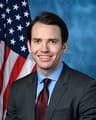 Kevin Kiley
Independent · California
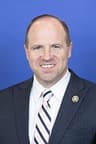 Timothy Kennedy
Democrat · New York
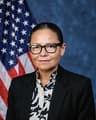 Kimberlyn King-Hinds
Republican · Northern Mariana Islands
 Zoe Lofgren
Democrat · California
 Stephen Lynch
Democrat · Massachusetts
 Ted Lieu
Democrat · California
 Darin LaHood
Republican · Illinois
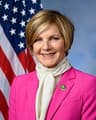 Susie Lee
Democrat · Nevada
 Mike Levin
Democrat · California
 Julia Letlow
Republican · Louisiana
 Michael Lawler
Republican · New York
 Nicholas Langworthy
Republican · New York
 Greg Landsman
Democrat · Ohio
 Summer Lee
Democrat · Pennsylvania
 George Latimer
Democrat · New York
 James McGovern
Democrat · Massachusetts
 Nicole Malliotakis
Republican · New York
 Kweisi Mfume
Democrat · Maryland
 Betty McCollum
Democrat · Minnesota
 Gwen Moore
Democrat · Wisconsin
 Doris Matsui
Democrat · California
 Grace Meng
Democrat · New York
 John Moolenaar
Republican · Michigan
 Seth Moulton
Democrat · Massachusetts
 Daniel Meuser
Republican · Pennsylvania
 Joseph Morelle
Democrat · New York
 Lucy McBath
Democrat · Georgia
 Gregory Murphy
Republican · North Carolina
 Blake Moore
Republican · Utah
 Frank Mrvan
Democrat · Indiana
 Mariannette Miller-Meeks
Republican · Iowa
 Cory Mills
Republican · Florida
 Richard McCormick
Republican · Georgia
 James Moylan
Republican · Guam
 Morgan McGarvey
Democrat · Kentucky
 Seth Magaziner
Democrat · Rhode Island
 Kevin Mullin
Democrat · California
 Robert Menendez
Democrat · New Jersey
 LaMonica McIver
Democrat · New Jersey
 John Mannion
Democrat · New York
 April McClain Delaney
Democrat · Maryland
 Kelly Morrison
Democrat · Minnesota
 Kristen McDonald Rivet
Democrat · Michigan
 Sarah McBride
Democrat · Delaware
 Dave Min
Democrat · California
 Troy Nehls
Republican · Texas
 Eleanor Norton
Democrat · District of Columbia
 Joe Neguse
Democrat · Colorado
 Zachary Nunn
Republican · Iowa
 Burgess Owens
Republican · Utah
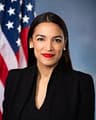 Alexandria Ocasio-Cortez
Democrat · New York
 Ilhan Omar
Democrat · Minnesota
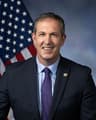 Johnny Olszewski
Democrat · Maryland
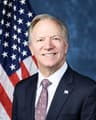 Robert Onder
Republican · Missouri
 Chellie Pingree
Democrat · Maine
 Mark Pocan
Democrat · Wisconsin
 Scott Peters
Democrat · California
 Jimmy Panetta
Democrat · California
 Chris Pappas
Democrat · New Hampshire
 Brittany Pettersen
Democrat · Colorado
 Mike Quigley
Democrat · Illinois
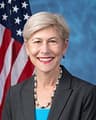 Deborah Ross
Democrat · North Carolina
 Patrick Ryan
Democrat · New York
 Raul Ruiz
Democrat · California
 Jamie Raskin
Democrat · Maryland
 John Rutherford
Republican · Florida
 Delia Ramirez
Democrat · Illinois
 Michael Rulli
Republican · Ohio
 Emily Randall
Democrat · Washington
 Josh Riley
Democrat · New York
 Maria Salazar
Republican · Florida
 Brad Sherman
Democrat · California
 Adam Smith
Democrat · Washington
 Janice Schakowsky
Democrat · Illinois
 Michael Simpson
Republican · Idaho
 Marilyn Strickland
Democrat · Washington
 Adrian Smith
Republican · Nebraska
 Terri Sewell
Democrat · Alabama
 Bradley Schneider
Democrat · Illinois
 Darren Soto
Democrat · Florida
 Thomas Suozzi
Democrat · New York
 Mary Gay Scanlon
Democrat · Pennsylvania
 Greg Stanton
Democrat · Arizona
 Pete Stauber
Republican · Minnesota
 Haley Stevens
Democrat · Michigan
 Kim Schrier
Democrat · Washington
 Hillary Scholten
Democrat · Michigan
 Emilia Sykes
Democrat · Ohio
 Eric Sorensen
Democrat · Illinois
 Andrea Salinas
Democrat · Oregon
 Derek Schmidt
Republican · Kansas
 Suhas Subramanyam
Democrat · Virginia
 Lateefah Simon
Democrat · California
 Mike Thompson
Democrat · California
 Glenn Thompson
Republican · Pennsylvania
 Dina Titus
Democrat · Nevada
 Rashida Tlaib
Democrat · Michigan
 Lori Trahan
Democrat · Massachusetts
 Ritchie Torres
Democrat · New York
 Jill Tokuda
Democrat · Hawaii
 Shri Thanedar
Democrat · Michigan
 Derek Tran
Democrat · California
 Lauren Underwood
Democrat · Illinois
 David Valadao
Republican · California
 Juan Vargas
Democrat · California
 Jefferson Van Drew
Republican · New Jersey
 Beth Van Duyne
Republican · Texas
 Derrick Van Orden
Republican · Wisconsin
 Gabe Vasquez
Democrat · New Mexico
 Eugene Vindman
Democrat · Virginia
 Joe Wilson
Republican · South Carolina
 Debbie Wasserman Schultz
Democrat · Florida
 Robert Wittman
Republican · Virginia
 Frederica Wilson
Democrat · Florida
 George Whitesides
Democrat · California
 James Walkinshaw
Democrat · Virginia
 Rudy Yakym
Republican · Indiana