A Republican bill with 82 Democratic cosponsors · See all 133 cosponsors
Last activity — Referred to the House Committee on Education and Workforce.
In committee
Introduced and handed to a committee in the chamber it started in.
The committee holds it, and most bills are never heard from again. A hearing or a committee vote would be news; silence is the usual outcome, and it kills the bill without anyone voting against it.
Its path through Congress
- Introduced
- In Committee
What this bill would do
This bill, known as the "Resident Education Deferred Interest Act" or the "REDI Act," aims to amend the Higher Education Act of 1965. It focuses on providing interest-free deferment on student loans for specific borrowers. This applies to individuals serving in medical or dental internship or residency programs. Under this change, borrowers would not need to pay periodic installments of principal. Additionally, interest would not accrue on loans made to these borrowers during their service.
Yes· 3 of 5
- Scored +7
Does this make college cost less?
The bill directly increases affordability by preventing interest accrual during medical or dental residencies.
- Scored +6
Does this reduce what student borrowers owe or repay?
It provides specific relief to borrowers during the intensive training period of an internship or residency.
- Scored +6
Would students be better off under this?
The bill directly benefits students in the advanced stages of their medical or dental training.
The opposite
- Scored -1
Does this reduce what the federal government owes?
Suspending interest accrual on federal loans may slightly increase the long-term deficit.
Who it would affect, and how
Potential Positive Impacts for People
-
Interest-Free Deferment: Borrowers serving in a medical or dental internship or residency program would not have interest accruing on their loans. This provides a financial benefit during their training period (Section 2).
-
Principal Payment Relief: Individuals in these programs would not be required to pay periodic installments of principal. This reduces the immediate financial burden on those in medical or dental training (Section 2, paragraph 7).
Potential Negative Impacts for People
- No specific negative impacts are mentioned in the provided text.
Groups and Interests Ranking
Every group the model scored this bill for, from -10 to +10. Tap or hover a score for the reason it gave.
- Education And Technology
- Does this make college cost less? — The bill directly increases affordability by preventing interest accrual during medical or dental residencies. Does this reduce what student borrowers owe or repay? — It provides specific relief to borrowers during the intensive training period of an internship or residency.
- Demographic And Interest Groups
- Would students be better off under this? — The bill directly benefits students in the advanced stages of their medical or dental training. Would people in their twenties and thirties be better off under this? — This benefits young adults entering the medical or dental profession who are often accumulating significant debt.
- Healthcare
- Does this make health care easier to get in general? — By reducing the financial burden on medical residents, the bill may encourage more individuals to enter and complete medical training.
- Economy And Finance
- Does this reduce what the federal government owes? — Suspending interest accrual on federal loans may slightly increase the long-term deficit.
- 10/19/2026
- 2 Cosponsors added.
- 10/1/2026
- 1 Cosponsor added.
- 9/17/2026
- 1 Cosponsor added.
- 7/13/2026
- 1 Cosponsor added.
- 7/9/2026
- 1 Cosponsor added.
- 6/29/2026
- 4 Cosponsors added.
- 6/9/2026
- 1 Cosponsor added.
- 6/8/2026
- 3 Cosponsors added.
- 6/4/2026
- 2 Cosponsors added.
- 6/2/2026
- 5 Cosponsors added.
- 5/19/2026
- 3 Cosponsors added.
- 5/13/2026
- 2 Cosponsors added.
- 5/12/2026
- 3 Cosponsors added.
- 4/30/2026
- 1 Cosponsor added.
- 4/28/2026
- 1 Cosponsor added.
- 4/27/2026
- 1 Cosponsor added.
- 4/22/2026
- 1 Cosponsor added.
- 4/20/2026
- 3 Cosponsors added.
- 4/14/2026
- 5 Cosponsors added.
- 4/2/2026
- 5 Cosponsors added.
- 3/26/2026
- 3 Cosponsors added.
- 3/24/2026
- 6 Cosponsors added.
- 3/16/2026
- 2 Cosponsors added.
- 3/3/2026
- 1 Cosponsor added.
- 2/25/2026
- 2 Cosponsors added.
- 2/9/2026
- 2 Cosponsors added.
- 2/2/2026
- 1 Cosponsor added.
- 1/7/2026
- 1 Cosponsor added.
- 12/18/2025
- 1 Cosponsor added.
- 12/17/2025
- 2 Cosponsors added.
- 12/16/2025
- 1 Cosponsor added.
- 12/5/2025
- 1 Cosponsor added.
- 12/3/2025
- 1 Cosponsor added.
- 12/1/2025
- 1 Cosponsor added.
- 11/12/2025
- 1 Cosponsor added.
- 11/10/2025
- 2 Cosponsors added.
- 10/28/2025
- 4 Cosponsors added.
- 10/17/2025
- 2 Cosponsors added.
- 10/10/2025
- 2 Cosponsors added.
- 9/17/2025
- 4 Cosponsors added.
- 7/10/2025
- 2 Cosponsors added.
- 6/25/2025
- 2 Cosponsors added.
- 6/24/2025
- 2 Cosponsors added.
- 6/9/2025
- 2 Cosponsors added.
- 5/14/2025
- 2 Cosponsors added.
- 5/6/2025
- 2 Cosponsors added.
- 5/5/2025
- 4 Cosponsors added.
- 4/29/2025
- 4 Cosponsors added.
- 4/24/2025
- 2 Cosponsors added.
- 4/17/2025
- 4 Cosponsors added.
- 4/14/2025
- 2 Cosponsors added.
- 4/8/2025
- 2 Cosponsors added.
- 4/7/2025
- 2 Cosponsors added.
- 4/2/2025
- 6 Cosponsors added.
- 4/1/2025
- 2 Cosponsors added.
- 3/31/2025
- 4 Cosponsors added.
- 3/21/2025
- 2 Cosponsors added.
- 3/11/2025
- Referred to the House Committee on Education and Workforce.
- 1 Cosponsor added.
- Introduced in House
One bill Congress.gov lists as related to this one — companions in the other chamber, earlier versions, and bills this one absorbed or was folded into.
 Alma Adams
Democrat · North Carolina
 Mark Alford
Republican · Missouri
 Gabe Amo
Democrat · Rhode Island
 Yassamin Ansari
Democrat · Arizona
 Sanford Bishop
Democrat · Georgia
 Stephanie Bice
Republican · Oklahoma
 Gus Bilirakis
Republican · Florida
 Suzanne Bonamici
Democrat · Oregon
 Joyce Beatty
Democrat · Ohio
 Ami Bera
Democrat · California
 Don Bacon
Republican · Nebraska
 Jack Bergman
Republican · Michigan
 Nikki Budzinski
Democrat · Illinois
 Becca Balint
Democrat · Vermont
 Michael Baumgartner
Republican · Washington
 Nicholas Begich
Republican · Alaska
 Janelle Bynum
Democrat · Oregon
 Ed Case
Democrat · Hawaii
 Kathy Castor
Democrat · Florida
 Steve Cohen
Democrat · Tennessee
 Judy Chu
Democrat · California
 Angie Craig
Democrat · Minnesota
 Jason Crow
Democrat · Colorado
 Gilbert Cisneros
Democrat · California
 Herbert Conaway
Democrat · New Jersey
 Jeff Crank
Republican · Colorado
 Diana DeGette
Democrat · Colorado
 Lloyd Doggett
Democrat · Texas
 Christopher Deluzio
Democrat · Pennsylvania
 Monica De La Cruz
Republican · Texas
 Scott DesJarlais
Republican · Tennessee
 Sharice Davids
Democrat · Kansas
 Madeleine Dean
Democrat · Pennsylvania
 Maxine Dexter
Democrat · Oregon
 Cleo Fields
Democrat · Louisiana
 Brian Fitzpatrick
Republican · Pennsylvania
 Lizzie Fletcher
Democrat · Texas
 Scott Franklin
Republican · Florida
 Shomari Figures
Democrat · Alabama
 Vicente Gonzalez
Democrat · Texas
 Josh Gottheimer
Democrat · New Jersey
 Jesús García
Democrat · Illinois
 Michael Guest
Republican · Mississippi
 Andrew Garbarino
Republican · New York
 Daniel Goldman
Democrat · New York
 Laura Gillen
Democrat · New York
 Maggie Goodlander
Democrat · New Hampshire
 Adelita Grijalva
Democrat · Arizona
 Andy Harris
Republican · Maryland
 Bill Huizenga
Republican · Michigan
 Chrissy Houlahan
Democrat · Pennsylvania
 Josh Harder
Democrat · California
 Mike Haridopolos
Republican · Florida
 Pablo Hernández
Democrat · Puerto Rico
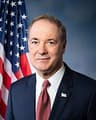 John Joyce
Republican · Pennsylvania
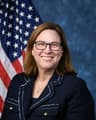 Julie Johnson
Democrat · Texas
 Raja Krishnamoorthi
Democrat · Illinois
 David Kustoff
Republican · Tennessee
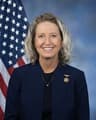 Jennifer Kiggans
Republican · Virginia
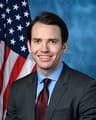 Kevin Kiley
Independent · California
 Timothy Kennedy
Democrat · New York
 Mike Kennedy
Republican · Utah
 Zoe Lofgren
Democrat · California
 John Larson
Democrat · Connecticut
 Stephen Lynch
Democrat · Massachusetts
 Ted Lieu
Democrat · California
 Mike Levin
Democrat · California
 Nick LaLota
Republican · New York
 Michael Lawler
Republican · New York
 James McGovern
Democrat · Massachusetts
 Nicole Malliotakis
Republican · New York
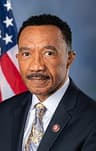 Kweisi Mfume
Democrat · Maryland
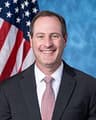 Tracey Mann
Republican · Kansas
 Gwen Moore
Democrat · Wisconsin
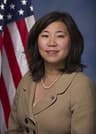 Grace Meng
Democrat · New York
 John Moolenaar
Republican · Michigan
 Seth Moulton
Democrat · Massachusetts
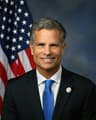 Daniel Meuser
Republican · Pennsylvania
 Carol Miller
Republican · West Virginia
 Joseph Morelle
Democrat · New York
 Gregory Murphy
Republican · North Carolina
 Frank Mrvan
Democrat · Indiana
 Mariannette Miller-Meeks
Republican · Iowa
 Richard McCormick
Republican · Georgia
 James Moylan
Republican · Guam
 Seth Magaziner
Democrat · Rhode Island
 Kevin Mullin
Democrat · California
 Robert Menendez
Democrat · New Jersey
 Mark Messmer
Republican · Indiana
 Tim Moore
Republican · North Carolina
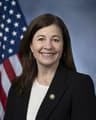 Kristen McDonald Rivet
Democrat · Michigan
 Sarah McBride
Democrat · Delaware
 Jerrold Nadler
Democrat · New York
 Eleanor Norton
Democrat · District of Columbia
 Zachary Nunn
Republican · Iowa
 Burgess Owens
Republican · Utah
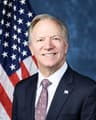 Robert Onder
Republican · Missouri
 Mark Pocan
Democrat · Wisconsin
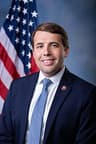 Chris Pappas
Democrat · New Hampshire
 Brittany Pettersen
Democrat · Colorado
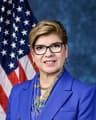 Nellie Pou
Democrat · New Jersey
 Deborah Ross
Democrat · North Carolina
 Mike Rogers
Republican · Alabama
 David Rouzer
Republican · North Carolina
 John Rutherford
Republican · Florida
 Pete Sessions
Republican · Texas
 Michael Simpson
Republican · Idaho
 Terri Sewell
Democrat · Alabama
 Bradley Schneider
Democrat · Illinois
 Darren Soto
Democrat · Florida
 Thomas Suozzi
Democrat · New York
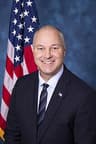 Pete Stauber
Republican · Minnesota
 W. Steube
Republican · Florida
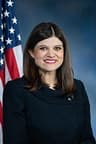 Haley Stevens
Democrat · Michigan
 Melanie Stansbury
Democrat · New Mexico
 Hillary Scholten
Democrat · Michigan
 Andrea Salinas
Democrat · Oregon
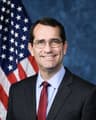 Derek Schmidt
Republican · Kansas
 Lateefah Simon
Democrat · California
 Michael Turner
Republican · Ohio
 Glenn Thompson
Republican · Pennsylvania
 Dina Titus
Democrat · Nevada
 Rashida Tlaib
Democrat · Michigan
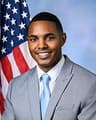 Ritchie Torres
Democrat · New York
 Jill Tokuda
Democrat · Hawaii
 Shri Thanedar
Democrat · Michigan
 Derek Tran
Democrat · California
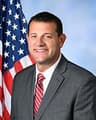 David Valadao
Republican · California
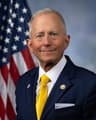 Jefferson Van Drew
Republican · New Jersey
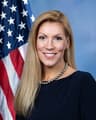 Beth Van Duyne
Republican · Texas
 Gabe Vasquez
Democrat · New Mexico
 Debbie Wasserman Schultz
Democrat · Florida
 James Walkinshaw
Democrat · Virginia