
Jeanne Shaheen (D-NH)
A resolution expressing support for the designation of November 16, 2025, as "National Warrior Call Day" and recognizing the importance of connecting members of the Armed Forces and veterans in the United States to support structures necessary to transition from the battlefield, especially peer-to-peer connection.
A Democratic resolution with 14 Republican cosponsors · See all 34 cosponsors
Last activity — Submitted in the Senate, considered, and agreed to without amendment and with a preamble by Unanimous Consent. (consideration: CR S6637; text: CR S6652)
Adopted
The chamber formally agreed to it, and for a resolution that is the finish line: what it says is now officially the chamber's position, rule or tribute.
Nothing more is needed. A resolution is how a chamber speaks for itself or sets its own rules, so adopting it is what puts it into effect. It is not a law, so there is nothing for the President to sign.
Its path through Congress
- Introduced
- Officially Recorded
- Adopted by the Senate unanimous consent
A Senate resolution is the Senate speaking for itself: stating a position, honouring someone, or setting its own rules. Adopting it is the whole process. Once the Senate agrees to it, it is officially the Senate's word; it is not a law, so the House and the President have no part in it.
The Senate by unanimous consent (no one objected, so there was no vote): no senator's position on it was recorded.
What this bill would do
This resolution expresses support for designating November 16, 2025, as National Warrior Call Day. It recognizes how important it is to connect members of the Armed Forces and veterans to support structures for transitioning from the battlefield, particularly through peer-to-peer connections. The text highlights troubling suicide statistics for both active-duty service members and veterans. It notes that many veterans who die by suicide have no known contact with the Department of Veterans Affairs. Isolation and disconnection are shown to worsen mental and physical ailments like post-traumatic stress disorder, traumatic brain injury, anxiety, and depression. Ultimately, the Senate resolves to support the designated day, encourage phone calls to warriors to have honest conversations, and implore individuals to engage with service members and veterans to find solutions and treatment.
Yes· 3 of 10
- Scored +9
Would veterans be better off under this, taking everything together?
The resolution directly focuses on veterans by addressing suicide rates, reducing isolation, and promoting vital peer-to-peer support connections.
- Scored +9
Does this help veterans get medical care?
By designating National Warrior Call Day, the resolution highlights veteran suicide prevention and connects service members to necessary medical and mental health treatment structures.
- Scored +8
Does this make mental health care easier to get?
The resolution encourages peer connections and support systems to address mental health challenges and reduce isolation among service members and veterans.
The opposite
No question was scored the opposite.
Who it would affect, and how
Potential Positive Impacts for People
-
Encouraging Peer Connections and Reducing Isolation: Under resolved section (2), the Senate encourages all individuals, especially active-duty members and veterans, to call a warrior, have an honest conversation, and connect them with support. This is positive because making a warrior call could reduce isolation and potentially save a life.
-
Recommitting to Support and Treatment: Under resolved section (3), the resolution implores all individuals in the United States to recommit themselves to engaging with members of the Armed Forces and veterans through National Warrior Call Day and other constructive efforts. This is positive because it aims to result in solutions and treatment for the invisible scars that can afflict veterans and service members.
Potential Negative Impacts for People
Based on the provided text, there are no specific sections or provisions that outline negative consequences or burdens for individuals or groups of people in the United States.
Groups and Interests Ranking
Every group the model scored this bill for, from -10 to +10. Tap or hover a score for the reason it gave.
- Demographic And Interest Groups
- Would veterans be better off under this, taking everything together? — The resolution directly focuses on veterans by addressing suicide rates, reducing isolation, and promoting vital peer-to-peer support connections. Would people in middle age be better off under this? — Middle-aged veterans experiencing transition challenges and invisible wounds benefit from the supportive awareness initiatives. Would people with disabilities be better off under this? — Individuals dealing with traumatic brain injuries and invisible wounds stand to benefit from increased attention to medical treatment and support. Would people in their twenties and thirties be better off under this? — Younger active-duty service members and recent veterans benefit from increased focus on suicide prevention and peer connection. Would retired people be better off under this? — Retired service members and older veterans benefit from initiatives encouraging community connection and reducing isolation. Would people over 65 be better off under this? — Older veterans can benefit from community outreach and connection structures designed to combat isolation.
- Healthcare
- Does this help veterans get medical care? — By designating National Warrior Call Day, the resolution highlights veteran suicide prevention and connects service members to necessary medical and mental health treatment structures. Does this make mental health care easier to get? — The resolution encourages peer connections and support systems to address mental health challenges and reduce isolation among service members and veterans. Does this make health care easier to get in general? — The resolution emphasizes guiding veterans and service members toward treatment solutions for invisible scars and mental health issues.
- National Security And Foreign Policy
- Does this increase the pay, pensions or support veterans receive? — The resolution supports members of the Armed Forces and veterans by raising awareness of suicide prevention and encouraging peer support networks.
- 9/16/2025
- Passed/agreed to in Senate: Submitted in the Senate, considered, and agreed to without amendment and with a preamble by Unanimous Consent.
- Submitted in the Senate, considered, and agreed to without amendment and with a preamble by Unanimous Consent. (consideration: CR S6637; text: CR S6652)
- 34 Cosponsors added.
- Introduced in Senate
 Angela Alsobrooks
Democrat · Maryland
 Tammy Baldwin
Democrat · Wisconsin
 John Boozman
Republican · Arkansas
 Marsha Blackburn
Republican · Tennessee
 Michael Bennet
Democrat · Colorado
 Richard Blumenthal
Democrat · Connecticut
 Cory Booker
Democrat · New Jersey
 Mike Crapo
Republican · Idaho
 Shelley Capito
Republican · West Virginia
 Tom Cotton
Republican · Arkansas
 Kevin Cramer
Republican · North Dakota
 Catherine Cortez Masto
Democrat · Nevada
 John Fetterman
Democrat · Pennsylvania
 Ruben Gallego
Democrat · Arizona
 John Hickenlooper
Democrat · Colorado
 Mazie Hirono
Democrat · Hawaii
 John Hoeven
Republican · North Dakota
 Cindy Hyde-Smith
Republican · Mississippi
 Amy Klobuchar
Democrat · Minnesota
 Mark Kelly
Democrat · Arizona
 Angus King
Independent · Maine
 Timothy Kaine
Democrat · Virginia
 Jon Ossoff
Democrat · Georgia
 Alex Padilla
Democrat · California
 James Risch
Republican · Idaho
 Jacky Rosen
Democrat · Nevada
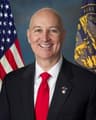 Pete Ricketts
Republican · Nebraska
 Dan Sullivan
Republican · Alaska
 Rick Scott
Republican · Florida
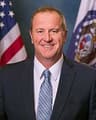 Eric Schmitt
Republican · Missouri
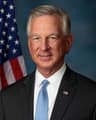 Tommy Tuberville
Republican · Alabama
 Raphael Warnock
Democrat · Georgia
 Sheldon Whitehouse
Democrat · Rhode Island
 Elizabeth Warren
Democrat · Massachusetts