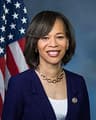
Lisa Blunt Rochester (D-DE)
A concurrent resolution recognizing the significance of equal pay and the disparity in wages paid to men and to Black women.
A Democratic resolution with 44 Democratic cosponsors · See all 46 cosponsors
Last activity — Referred to the Committee on Health, Education, Labor, and Pensions. (text: CR S4196-4197)
In committee
Introduced and handed to a committee in the chamber it started in.
The committee holds it, and most bills are never heard from again. A hearing or a committee vote would be news; silence is the usual outcome, and it kills the bill without anyone voting against it.
Its path through Congress
- Introduced
- In Committee
A concurrent resolution is how the Senate and the House settle something they do together, such as a budget plan or a joint session. It is adopted once both chambers agree to it, and that puts it into effect; it is not a law, so it does not go to the President.
What this bill would do
This concurrent resolution recognizes the significant wage disparity between Black women and white, non-Hispanic men. It notes that Black women earn substantially less for their work, regardless of academic achievement or professional position. The resolution highlights how this wage gap impacts the ability of women to support families and contributes to broader economic issues. It also addresses contributing factors such as sexual harassment, lack of affordable childcare, and attacks on diversity programs. Ultimately, the resolution serves to acknowledge the impact of these disparities on families and the United States. Finally, it reaffirms congressional support for ensuring equal pay for equal work.
Yes· 3 of 9
- Scored +2
Does this narrow racial gaps in how people are treated?
The resolution seeks to recognize and address the specific wage disparities faced by Black women.
- Scored +2
Does this narrow the gap between how men and women are treated?
The resolution reaffirms support for narrowing the gender wage gap and ensuring equal pay for equal work.
- Scored +2
Would Black Americans be better off under this?
The resolution specifically addresses the economic disparities and wage gaps faced by Black women.
The opposite
No question was scored the opposite.
Who it would affect, and how
Potential Positive Impacts for People
-
Recognition of economic hardship: The resolution recognizes the disparity in wages paid to Black women and its impact on women, families, and the United States (Resolution Section 1).
-
Support for pay equity: The resolution reaffirms support for ensuring equal pay for equal work and narrowing the gender wage gap (Resolution Section 2).
Potential Negative Impacts for People
- No specific negative impacts or burdens are identified within the text of this resolution.
Groups and Interests Ranking
Every group the model scored this bill for, from -10 to +10. Tap or hover a score for the reason it gave.
- Social Issues And Justice
- Does this narrow the gap between how men and women are treated? — The resolution reaffirms support for narrowing the gender wage gap and ensuring equal pay for equal work. Does this narrow racial gaps in how people are treated? — The resolution seeks to recognize and address the specific wage disparities faced by Black women. Does this make child care cost less? — The resolution identifies lack of access to affordable childcare as a contributor to the wage gap. Is this likely to lift people out of poverty? — The resolution connects the wage gap to disparities in poverty and the ability to accumulate wealth.
- Demographic And Interest Groups
- Would Black Americans be better off under this? — The resolution specifically addresses the economic disparities and wage gaps faced by Black women. Would women be better off under this? — The resolution reaffirms support for narrowing the gender wage gap and addressing sexual harassment. Would households on low incomes be better off under this? — The resolution addresses the disproportionate impact of the wage gap on low-wage workers.
- Economy And Finance
- Is this likely to grow the economy? — The resolution notes that addressing lost wages for Black women could benefit businesses and the economy.
- Education And Technology
- Does this reduce what student borrowers owe or repay? — The resolution notes that closing the wage gap could provide enough money to pay off Federal student loan debt.
- 7/21/2026
- Submitted in Senate
- Referred to the Committee on Health, Education, Labor, and Pensions. (text: CR S4196-4197)
- 46 Cosponsors added.
3 bills Congress.gov lists as related to this one — companions in the other chamber, earlier versions, and bills this one absorbed or was folded into.
- 119-HCONRES-42: Recognizing the significance of equal pay and the disparity in wages paid to men and to Black women.
- 119-HCONRES-114: Recognizing the significance of equal pay and the disparity in wages paid to men and to Black women.
- 119-SCONRES-16: A concurrent resolution recognizing the significance of equal pay and the disparity in wages paid to men and to Black women.
 Angela Alsobrooks
Democrat · Maryland
 Tammy Baldwin
Democrat · Wisconsin
 Michael Bennet
Democrat · Colorado
 Richard Blumenthal
Democrat · Connecticut
 Cory Booker
Democrat · New Jersey
 Maria Cantwell
Democrat · Washington
 Christopher Coons
Democrat · Delaware
 Catherine Cortez Masto
Democrat · Nevada
 Richard Durbin
Democrat · Illinois
 Tammy Duckworth
Democrat · Illinois
 John Fetterman
Democrat · Pennsylvania
 Kirsten Gillibrand
Democrat · New York
 Ruben Gallego
Democrat · Arizona
 John Hickenlooper
Democrat · Colorado
 Mazie Hirono
Democrat · Hawaii
 Martin Heinrich
Democrat · New Mexico
 Maggie Hassan
Democrat · New Hampshire
 Amy Klobuchar
Democrat · Minnesota
 Mark Kelly
Democrat · Arizona
 Angus King
Independent · Maine
 Timothy Kaine
Democrat · Virginia
 Andy Kim
Democrat · New Jersey
 Ben Luján
Democrat · New Mexico
 Edward Markey
Democrat · Massachusetts
 Patty Murray
Democrat · Washington
 Christopher Murphy
Democrat · Connecticut
 Jeff Merkley
Democrat · Oregon
 Jon Ossoff
Democrat · Georgia
 Alex Padilla
Democrat · California
 Gary Peters
Democrat · Michigan
 John Reed
Democrat · Rhode Island
 Jacky Rosen
Democrat · Nevada
 Bernie Sanders
Independent · Vermont
 Charles Schumer
Democrat · New York
 Adam Schiff
Democrat · California
 Jeanne Shaheen
Democrat · New Hampshire
 Brian Schatz
Democrat · Hawaii
 Tina Smith
Democrat · Minnesota
 Elissa Slotkin
Democrat · Michigan
 Chris Van Hollen
Democrat · Maryland
 Ron Wyden
Democrat · Oregon
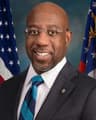 Raphael Warnock
Democrat · Georgia
 Peter Welch
Democrat · Vermont
 Sheldon Whitehouse
Democrat · Rhode Island
 Mark Warner
Democrat · Virginia
 Elizabeth Warren
Democrat · Massachusetts