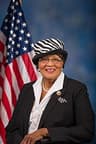
Alma Adams (D-NC)
Recognizing the significance of equal pay and the disparity in wages paid to men and to Black women.
A Democratic resolution with 79 Democratic cosponsors · See all 79 cosponsors
Last activity — Referred to the House Committee on Education and Workforce.
In committee
Introduced and handed to a committee in the chamber it started in.
The committee holds it, and most bills are never heard from again. A hearing or a committee vote would be news; silence is the usual outcome, and it kills the bill without anyone voting against it.
Its path through Congress
- Introduced
- In Committee
A concurrent resolution is how the House and the Senate settle something they do together, such as a budget plan or a joint session. It is adopted once both chambers agree to it, and that puts it into effect; it is not a law, so it does not go to the President.
What this bill would do
This concurrent resolution recognizes the wage disparity between Black women and white, non-Hispanic men. It highlights that July 21, 2026, is Black Women's Equal Pay Day. The text discusses how the wage gap impacts the ability of Black women to support families and accumulate wealth. It notes that current trends suggest it could take nearly 200 years to achieve equal pay. Ultimately, the resolution seeks to recognize the impact of this disparity on the United States. Finally, it reaffirms support for ensuring equal pay for equal work.
Yes· 3 of 10
- Scored +2
Does this narrow racial gaps in how people are treated?
The resolution highlights the specific wage disparity faced by Black women to advocate for racial equity.
- Scored +2
Does this narrow the gap between how men and women are treated?
The resolution reaffirms support for narrowing the gender wage gap.
- Scored +2
Would Black Americans be better off under this?
The resolution specifically targets the economic disadvantages faced by Black women.
The opposite
- Scored -1
Would white Americans be better off under this?
The resolution highlights a wage disparity where white, non-Hispanic men earn more than Black women.
Who it would affect, and how
Potential Positive Impacts for People
-
Recognition of Wage Disparity: The resolution recognizes the impact of the wage gap on women, families, and the United States (Resolution Section 1).
-
Support for Equal Pay: The resolution reaffirms support for ensuring equal pay for equal work and narrowing the gender wage gap (Resolution Section 2).
Potential Negative Impacts for People
- No specific negative impacts or burdens are identified within the provided text.
Groups and Interests Ranking
Every group the model scored this bill for, from -10 to +10. Tap or hover a score for the reason it gave.
- Social Issues And Justice
- Does this narrow the gap between how men and women are treated? — The resolution reaffirms support for narrowing the gender wage gap. Does this narrow racial gaps in how people are treated? — The resolution highlights the specific wage disparity faced by Black women to advocate for racial equity. Does this make housing cost less? — The resolution connects higher earnings to increased ability to afford home ownership costs. Is this likely to lift people out of poverty? — The resolution notes that the wage gap contributes to disparities in poverty levels.
- Demographic And Interest Groups
- Would Black Americans be better off under this? — The resolution specifically targets the economic disadvantages faced by Black women. Would women be better off under this? — The resolution advocates for the economic advancement and rights of women. Would households on low incomes be better off under this? — The resolution addresses the disproportionate impact of the wage gap on low-wage workers. Would middle-income households be better off under this? — The resolution discusses how wage equity allows for better accumulation of wealth and family support. Would white Americans be better off under this? — The resolution highlights a wage disparity where white, non-Hispanic men earn more than Black women.
- Economy And Finance
- Is this likely to grow the economy? — The resolution notes that closing the wage gap would increase spending on goods and services, benefiting the economy.
- Education And Technology
- Does this make college cost less? — The resolution links higher wages to the ability to pay for college tuition and fees.
- 10/29/2026
- 1 Cosponsor added.
- 8/3/2026
- 2 Cosponsors added.
- 7/22/2026
- 1 Cosponsor added.
- 7/21/2026
- Submitted in House
- Referred to the House Committee on Education and Workforce.
- 75 Cosponsors added.
9 bills Congress.gov lists as related to this one — companions in the other chamber, earlier versions, and bills this one absorbed or was folded into.
- 119-HCONRES-42: Recognizing the significance of equal pay and the disparity in wages paid to men and to Black women.
- 119-SCONRES-16: A concurrent resolution recognizing the significance of equal pay and the disparity in wages paid to men and to Black women.
- 119-SCONRES-36: A concurrent resolution recognizing the significance of equal pay and the disparity in wages paid to men and to Black women.
- 118-HCONRES-118 (not yet synced)
- 118-SCONRES-37 (not yet synced)
- 117-HCONRES-46 (not yet synced)
- 117-HCONRES-108 (not yet synced)
- 117-SCONRES-12 (not yet synced)
- 117-SCONRES-48 (not yet synced)
 Yassamin Ansari
Democrat · Arizona
 Suzanne Bonamici
Democrat · Oregon
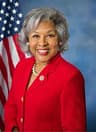 Joyce Beatty
Democrat · Ohio
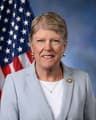 Julia Brownley
Democrat · California
 Nanette Barragán
Democrat · California
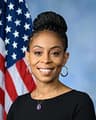 Shontel Brown
Democrat · Ohio
 Nikki Budzinski
Democrat · Illinois
 Wesley Bell
Democrat · Missouri
 Janelle Bynum
Democrat · Oregon
 Emanuel Cleaver
Democrat · Missouri
 Kathy Castor
Democrat · Florida
 Yvette Clarke
Democrat · New York
 André Carson
Democrat · Indiana
 Judy Chu
Democrat · California
 Salud Carbajal
Democrat · California
 Danny Davis
Democrat · Illinois
 Rosa DeLauro
Democrat · Connecticut
 Suzan DelBene
Democrat · Washington
 Mark DeSaulnier
Democrat · California
 Maxine Dexter
Democrat · Oregon
 Dwight Evans
Democrat · Pennsylvania
 Sarah Elfreth
Democrat · Maryland
 Lois Frankel
Democrat · Florida
 Maxwell Frost
Democrat · Florida
 Valerie Foushee
Democrat · North Carolina
 Shomari Figures
Democrat · Alabama
 Laura Friedman
Democrat · California
 Al Green
Democrat · Texas
 John Garamendi
Democrat · California
 Josh Gottheimer
Democrat · New Jersey
 Jahana Hayes
Democrat · Connecticut
 Glenn Ivey
Democrat · Maryland
 Pramila Jayapal
Democrat · Washington
 Jonathan Jackson
Democrat · Illinois
 Julie Johnson
Democrat · Texas
 Robin Kelly
Democrat · Illinois
 Sydney Kamlager-Dove
Democrat · California
 Teresa Leger Fernandez
Democrat · New Mexico
 Stephen Lynch
Democrat · Massachusetts
 Greg Landsman
Democrat · Ohio
 Summer Lee
Democrat · Pennsylvania
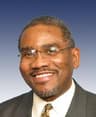 Gregory Meeks
Democrat · New York
 Betty McCollum
Democrat · Minnesota
 Gwen Moore
Democrat · Wisconsin
 Seth Moulton
Democrat · Massachusetts
 Morgan McGarvey
Democrat · Kentucky
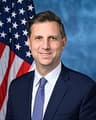 Seth Magaziner
Democrat · Rhode Island
 Jennifer McClellan
Democrat · Virginia
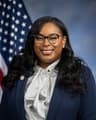 LaMonica McIver
Democrat · New Jersey
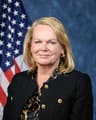 April McClain Delaney
Democrat · Maryland
 Christian Menefee
Democrat · Texas
 Jerrold Nadler
Democrat · New York
 Eleanor Norton
Democrat · District of Columbia
 Joe Neguse
Democrat · Colorado
 Alexandria Ocasio-Cortez
Democrat · New York
 Ilhan Omar
Democrat · Minnesota
 Chellie Pingree
Democrat · Maine
 Mark Pocan
Democrat · Wisconsin
 Mike Quigley
Democrat · Illinois
 Deborah Ross
Democrat · North Carolina
 Adam Smith
Democrat · Washington
 Janice Schakowsky
Democrat · Illinois
 Marilyn Strickland
Democrat · Washington
 Haley Stevens
Democrat · Michigan
 Hillary Scholten
Democrat · Michigan
 Andrea Salinas
Democrat · Oregon
 Lateefah Simon
Democrat · California
 Bennie Thompson
Democrat · Mississippi
 Mike Thompson
Democrat · California
 Dina Titus
Democrat · Nevada
 Mark Takano
Democrat · California
 Rashida Tlaib
Democrat · Michigan
 Shri Thanedar
Democrat · Michigan
 Nydia Velázquez
Democrat · New York
 Eugene Vindman
Democrat · Virginia
 Debbie Wasserman Schultz
Democrat · Florida
 Frederica Wilson
Democrat · Florida
 Bonnie Watson Coleman
Democrat · New Jersey
 James Walkinshaw
Democrat · Virginia