
A Democratic bill with 40 Democratic cosponsors · See all 41 cosponsors
Last activity — Read twice and referred to the Committee on Health, Education, Labor, and Pensions.
In committee
Introduced and handed to a committee in the chamber it started in.
The committee holds it, and most bills are never heard from again. A hearing or a committee vote would be news; silence is the usual outcome, and it kills the bill without anyone voting against it.
Its path through Congress
- Introduced
- In Committee
What this bill would do
The bill, cited as the PrEP Access and Coverage Act of 2026, aims to increase access to pre-exposure prophylaxis (PrEP) and post-exposure prophylaxis (PEP) to reduce the transmission of HIV. It establishes comprehensive coverage requirements across private insurance, federal programs like Medicare, Medicaid, CHIP, the Federal Employees Health Benefits Program, the Department of Veterans Affairs, the Department of Defense, and the Indian Health Service. The legislation prohibits cost-sharing and restrictive preauthorization requirements for FDA-approved HIV prevention drugs, related laboratory procedures, and clinical follow-up care. Additionally, the bill prohibits life, disability, and long-term care insurance providers from denying coverage or increasing premiums for individuals taking medication to prevent HIV acquisition. It also mandates public and provider education campaigns, grants for community programs, patient confidentiality protections, and specific enforcement mechanisms.
Yes· 3 of 43
- Scored +10
Would households on low incomes be better off under this?
Provides free PrEP via Medicaid, CHIP, and specific grants for the uninsured.
- Scored +10
Would LGBTQ people be better off under this?
Directly addresses PrEP access, stigma, and discrimination for the LGBTQ community.
- Scored +10
Would veterans be better off under this, taking everything together?
Removes all cost-sharing for HIV prevention through the VA and TRICARE.
The opposite· 3 of 7
- Scored -3
Would business owners be better off under this?
Increases costs for employers providing group health insurance.
- Scored -3
Does this reduce what the federal government spends?
The bill increases government spending through grant programs and public health campaigns.
- Scored -2
Does this lower what people pay for private health insurance?
Increased mandated coverage requirements for insurers may lead to higher premiums.
Who it would affect, and how
Potential Positive Impacts for People
-
Section 3 ensures that private insurance plans, Medicaid, CHIP, Medicare, and other federal health programs cover FDA-approved HIV prevention drugs, administrative fees, related laboratory procedures, and clinical follow-up without cost-sharing or deductibles, making essential preventive care much more affordable and accessible for individuals.
-
Section 4 protects individuals by making it unlawful for life, disability, or long-term care insurance policies to deny coverage, limit coverage, or increase premium rates solely because a person is taking medication to prevent the acquisition of HIV.
-
Section 5 establishes public health and provider education campaigns directed by the Centers for Disease Control and Prevention to increase awareness of PrEP and PEP safety, effectiveness, and local availability, specifically focusing on culturally competent outreach within high-need communities of color and the LGBTQ community.
-
Section 6 protects patient confidentiality by requiring the Secretary of Health and Human Services to amend HIPAA regulations so that individuals using family health plans can access HIV prevention benefits without other individuals or primary policyholders on the plan being informed of that use.
-
Section 7 authorizes a grant program for States, territories, Indian Tribes, and directly eligible nonprofit entities to establish and support PrEP and PEP programs, increasing access and outreach for uninsured and underinsured individuals.
Groups and Interests Ranking
Every group the model scored this bill for, from -10 to +10. Tap or hover a score for the reason it gave.
- Demographic And Interest Groups
- Would LGBTQ people be better off under this? — Directly addresses PrEP access, stigma, and discrimination for the LGBTQ community. Would households on low incomes be better off under this? — Provides free PrEP via Medicaid, CHIP, and specific grants for the uninsured. Would veterans be better off under this, taking everything together? — Removes all cost-sharing for HIV prevention through the VA and TRICARE. Would Black Americans be better off under this? — Targeted outreach and grant funding for communities overrepresented in the HIV epidemic. Would Hispanic Americans be better off under this? — Targeted outreach and grant funding for communities overrepresented in the HIV epidemic. Would Native Americans be better off under this? — Provides specific funding for the Indian Health Service to provide PrEP/PEP. Would people in their twenties and thirties be better off under this? — High impact for a demographic frequently utilizing PrEP to prevent HIV. Would middle-income households be better off under this? — Eliminates out-of-pocket costs for PrEP under most private insurance plans. Would retired people be better off under this? — Eliminates cost-sharing for PrEP under Medicare. Would students be better off under this? — Reduces financial barriers to preventative care for young adults. Would Asian Americans be better off under this? — Broadly improves access to preventative health services. Would men be better off under this? — Improves access to preventative health care. Would people in middle age be better off under this? — Removes financial barriers to preventative care and prevents insurance discrimination. Would people with disabilities be better off under this? — Prohibits denial of disability insurance based on PrEP use. Would people in rural areas be better off under this? — Specifically identifies rural health clinics as eligible for funding. Would people over 65 be better off under this? — Removes cost-sharing for PrEP under Medicare Part B and D. Would union members be better off under this? — Improves health benefits provided through union-negotiated group plans. Would people in cities be better off under this? — Improves access via nonprofit and clinic grants in high-need areas. Would white Americans be better off under this? — Broadly improves access to preventative health services. Would women be better off under this? — Improves access to preventative health care and maintains breast cancer screening standards. Would children be better off under this? — Extends coverage for HIV prevention services to CHIP beneficiaries. Would immigrants be better off under this? — Provides pathways to PrEP for uninsured individuals through grant programs. Would billionaires be better off under this? — Provides better health coverage and prevents insurance discrimination. Would high-income households be better off under this? — Removes cost-sharing for preventative health services. Would people with substantial wealth be better off under this? — Provides better health coverage and prevents insurance discrimination. Would the very wealthiest people be better off under this? — Provides better health coverage and prevents insurance discrimination. Would business owners be better off under this? — Increases costs for employers providing group health insurance.
- Healthcare
- Does this make health care easier to get in general? — Significantly increases access to PrEP and PEP through funding, mandated coverage, and education. Does this lower the price of prescription medicines? — Eliminates out-of-pocket costs for FDA-approved HIV prevention drugs across multiple insurance types. Does this help veterans get medical care? — Eliminates copayments for HIV prevention medication and services within the VA system. Does this put more money into Medicaid, the health coverage for people on low incomes? — Mandates Medicaid coverage for HIV prevention services and eliminates cost-sharing. Does this put more money into Medicare, the health coverage for people over 65? — Expands Medicare Part B and D coverage for HIV prevention services without cost-sharing. Does this strengthen the Affordable Care Act? — Amends the ACA to ensure PrEP services are covered without cost-sharing in private plans. Does this make the country readier for the next outbreak? — Reducing HIV transmission contributes to overall long-term public health stability. Does this lower what people pay for private health insurance? — Increased mandated coverage requirements for insurers may lead to higher premiums.
- Social Issues And Justice
- Does this expand the rights of LGBTQ people? — Specifically targets the LGBTQ community for outreach and removes barriers to critical health services. Does this narrow racial gaps in how people are treated? — Directs education and grant funding toward communities of color disproportionately affected by HIV. Is this likely to lift people out of poverty? — Reduces medical financial burdens for low-income individuals seeking HIV prevention.
- Governance And Ideology
- Does this protect people from being watched or searched? — Specifically protects the privacy of individuals using family insurance plans for PrEP. Does this make what the government does easier for the public to see? — Requires reporting on noncompliance to be made public. Does this give the federal government more power? — Imposes federal mandates on state Medicaid/CHIP programs and private insurers. Does this leave more decisions to the states? — Restricts state ability to deny coverage or charge for HIV prevention services.
- National Security And Foreign Policy
- Does this increase the pay, pensions or support veterans receive? — Provides free access to HIV prevention drugs and services for veterans. Does this reduce what is spent on the military? — Increases spending via TRICARE coverage mandates.
- Education And Technology
- Does this give people more control over their personal data? — Ensures patient confidentiality for those on family health plans accessing PrEP.
- Environment Energy And Infrastructure
- Does this invest in rural communities? — Includes rural health clinics as eligible entities for PrEP/PEP grants.
- Economy And Finance
- Does this give people more protection from unfair business practices? — Provides protections against insurance discrimination and a private right of action for victims. Does this reduce what the federal government spends? — The bill increases government spending through grant programs and public health campaigns. Does this make the government pay for what it commits to? — The bill authorizes unspecified 'sums as may be necessary' for various programs. Does this reduce what the federal government owes? — The bill authorizes new spending for grants and public education campaigns.
- 11/9/2026
- 1 Cosponsor added.
- 9/30/2026
- 3 Cosponsors added.
- 9/24/2026
- 2 Cosponsors added.
- 9/23/2026
- 2 Cosponsors added.
- 9/22/2026
- 4 Cosponsors added.
- 9/14/2026
- 5 Cosponsors added.
- 8/4/2026
- 2 Cosponsors added.
- 4/29/2026
- 1 Cosponsor added.
- 3/25/2026
- 2 Cosponsors added.
- 3/4/2026
- Read twice and referred to the Committee on Health, Education, Labor, and Pensions.
- 19 Cosponsors added.
- Introduced in Senate
One bill Congress.gov lists as related to this one — companions in the other chamber, earlier versions, and bills this one absorbed or was folded into.
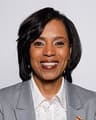 Angela Alsobrooks
Democrat · Maryland
 Tammy Baldwin
Democrat · Wisconsin
 Michael Bennet
Democrat · Colorado
 Richard Blumenthal
Democrat · Connecticut
 Cory Booker
Democrat · New Jersey
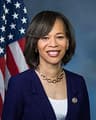 Lisa Blunt Rochester
Democrat · Delaware
 Christopher Coons
Democrat · Delaware
 Catherine Cortez Masto
Democrat · Nevada
 Richard Durbin
Democrat · Illinois
 Tammy Duckworth
Democrat · Illinois
 John Fetterman
Democrat · Pennsylvania
 Kirsten Gillibrand
Democrat · New York
 Ruben Gallego
Democrat · Arizona
 John Hickenlooper
Democrat · Colorado
 Mazie Hirono
Democrat · Hawaii
 Martin Heinrich
Democrat · New Mexico
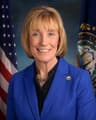 Maggie Hassan
Democrat · New Hampshire
 Amy Klobuchar
Democrat · Minnesota
 Mark Kelly
Democrat · Arizona
 Andy Kim
Democrat · New Jersey
 Ben Luján
Democrat · New Mexico
 Edward Markey
Democrat · Massachusetts
 Patty Murray
Democrat · Washington
 Christopher Murphy
Democrat · Connecticut
 Jeff Merkley
Democrat · Oregon
 Jon Ossoff
Democrat · Georgia
 Alex Padilla
Democrat · California
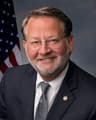 Gary Peters
Democrat · Michigan
 John Reed
Democrat · Rhode Island
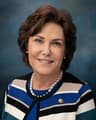 Jacky Rosen
Democrat · Nevada
 Bernie Sanders
Independent · Vermont
 Adam Schiff
Democrat · California
 Jeanne Shaheen
Democrat · New Hampshire
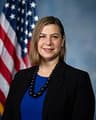 Elissa Slotkin
Democrat · Michigan
 Chris Van Hollen
Democrat · Maryland
 Ron Wyden
Democrat · Oregon
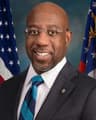 Raphael Warnock
Democrat · Georgia
 Peter Welch
Democrat · Vermont
 Sheldon Whitehouse
Democrat · Rhode Island
 Mark Warner
Democrat · Virginia
 Elizabeth Warren
Democrat · Massachusetts