A Democratic bill with 189 Democratic cosponsors · See all 189 cosponsors
Last activity — Referred to the Committee on Energy and Commerce, and in addition to the Committees on Oversight and Government Reform, Ways and Means, Veterans' Affairs, Armed Services, Natural Resources, Financial Services, and Education and Workforce, for a period to be subsequently determined by the Speaker, in each case for consideration of such provisions as fall within the jurisdiction of the committee concerned.
In committee
Introduced and handed to a committee in the chamber it started in.
The committee holds it, and most bills are never heard from again. A hearing or a committee vote would be news; silence is the usual outcome, and it kills the bill without anyone voting against it.
Its path through Congress
- Introduced
- In Committee
What this bill would do
The bill, known as the PrEP Access and Coverage Act of 2026, aims to increase access to pre-exposure prophylaxis (PrEP) and post-exposure prophylaxis (PEP) to reduce HIV transmission. It mandates that private health insurance, federal employee plans, Medicaid, CHIP, Medicare, Veterans Affairs healthcare, and TRICARE cover FDA-approved HIV prevention drugs and related services without cost-sharing or preauthorization in most cases. The legislation also prohibits life, disability, and long-term care insurance companies from denying coverage, raising premiums, or discriminating against individuals taking HIV prevention medication. Furthermore, it establishes public and provider education campaigns, grants for community health programs, patient confidentiality protections, and enforcement mechanisms to monitor compliance.
Yes· 3 of 45
- Scored +10
Would households on low incomes be better off under this?
Provides zero-cost access via Medicaid, CHIP, and federal grants for the uninsured.
- Scored +10
Would LGBTQ people be better off under this?
Focuses specifically on reducing HIV disparities and stigma for the LGBTQ community.
- Scored +10
Does this lower the price of prescription medicines?
Eliminates out-of-pocket costs for FDA-approved HIV prevention drugs across multiple insurance types.
The opposite· 3 of 7
- Scored -5
Does this reduce what the federal government spends?
Authorizes new appropriations for public education campaigns and grant programs.
- Scored -3
Would business owners be better off under this?
Increases costs for employers providing group health insurance due to mandated coverage.
- Scored -3
Does this leave more decisions to the states?
Reduces state flexibility in Medicaid/CHIP coverage for HIV prevention.
Who it would affect, and how
Potential Positive Impacts for People
-
Section 3 requires private health plans, grandfathered plans, and federal programs like Medicaid, Medicare, and the Federal Employees Health Benefits Program to cover FDA-approved HIV prevention drugs, diagnostic tests, administrative fees, and clinical follow-up without cost-sharing, making preventative care much more affordable and accessible for individuals.
-
Section 3(a)(3) prohibits group health plans and health insurance issuers from imposing preauthorization requirements for HIV prevention services, though plans may require preauthorization for a specific drug if a therapeutically equivalent option is covered without preauthorization, helping patients get their medication without unnecessary bureaucratic delays.
-
Section 3(f) eliminates medication copayments and hospital care and medical service copayments for HIV prevention drugs, laboratory procedures, and clinical follow-up for veterans through the Department of Veterans Affairs, directly reducing out-of-pocket healthcare costs for veterans.
-
Section 4 makes it unlawful for life, disability, and long-term care insurance companies to decline coverage, limit policies, require medication use as a condition, or increase premium rates solely because an individual is taking medication to prevent the acquisition of HIV, protecting users from insurance discrimination.
-
Section 6 directs the Secretary of Health and Human Services to amend HIPAA regulations to ensure that individuals can access HIV prevention benefits under a family plan without other enrolled family members or the primary subscriber being informed, protecting patient privacy.
-
Section 7 establishes a grant program for States, territories, Indian Tribes, and directly eligible entities like community health centers to support PrEP and PEP programs, outreach, and adherence services for uninsured and underinsured individuals, helping expand care in high-need communities.
Potential Positive Impacts for People
- Section 10(b)(2) requires group health plans and health insurance issuers to submit annual data to the federal government demonstrating compliance with coverage requirements and detailing the number of claims received for HIV prevention services, which imposes administrative reporting burdens on insurers.
Groups and Interests Ranking
Every group the model scored this bill for, from -10 to +10. Tap or hover a score for the reason it gave.
- Demographic And Interest Groups
- Would LGBTQ people be better off under this? — Focuses specifically on reducing HIV disparities and stigma for the LGBTQ community. Would households on low incomes be better off under this? — Provides zero-cost access via Medicaid, CHIP, and federal grants for the uninsured. Would Black Americans be better off under this? — Targets resources and education specifically to communities of color overrepresented in the HIV epidemic. Would Hispanic Americans be better off under this? — Targets resources and education specifically to communities of color overrepresented in the HIV epidemic. Would Native Americans be better off under this? — Provides specific funding and coverage for HIV prevention via the Indian Health Service. Would veterans be better off under this, taking everything together? — Eliminates copayments and mandates coverage for HIV prevention in VA and TRICARE. Would people in their twenties and thirties be better off under this? — Significantly lowers barriers to PrEP, which is highly utilized by this age group. Would Asian Americans be better off under this? — Increases access and education for high-need minority communities. Would men be better off under this? — Reduces barriers to PrEP, which is heavily used by men who have sex with men. Would people in middle age be better off under this? — Removes financial barriers to HIV prevention across various insurance plans. Would middle-income households be better off under this? — Removes deductibles and cost-sharing for PrEP in private and federal insurance. Would retired people be better off under this? — Eliminates cost-sharing for HIV prevention through Medicare. Would people over 65 be better off under this? — Eliminates cost-sharing for HIV prevention drugs under Medicare Part B and D. Would students be better off under this? — Lower cost of prevention drugs is highly beneficial for students on varying insurance plans. Would children be better off under this? — Expands HIV prevention coverage under CHIP for targeted low-income children. Would people with disabilities be better off under this? — Prevents disability insurance discrimination based on PrEP use. Would people in rural areas be better off under this? — Specifically includes rural health clinics as eligible entities for PrEP/PEP grant funding. Would union members be better off under this? — Improves benefits for those with group health plans through eliminated cost-sharing. Would people in cities be better off under this? — Increases access via grants to nonprofits and community-based organizations often located in urban centers. Would white Americans be better off under this? — Provides expanded coverage and cost-reduction for HIV prevention. Would women be better off under this? — Increases access to HIV prevention and provides coverage for pregnant women under CHIP. Would billionaires be better off under this? — Protects access to life and disability insurance regardless of PrEP use. Would high-income households be better off under this? — Increases coverage and removes insurance discrimination for PrEP users. Would people with substantial wealth be better off under this? — Protects access to life and disability insurance regardless of PrEP use. Would immigrants be better off under this? — Grant funding for uninsured/underinsured individuals likely includes undocumented or immigrant populations. Would the very wealthiest people be better off under this? — Protects access to life and disability insurance regardless of PrEP use. Would business owners be better off under this? — Increases costs for employers providing group health insurance due to mandated coverage.
- Healthcare
- Does this lower the price of prescription medicines? — Eliminates out-of-pocket costs for FDA-approved HIV prevention drugs across multiple insurance types. Does this make health care easier to get in general? — Increases access to PrEP/PEP through grants, removal of preauthorization, and zero cost-sharing. Does this help veterans get medical care? — Eliminates copayments for HIV prevention medications and associated services for veterans. Does this put more money into Medicaid, the health coverage for people on low incomes? — Mandates coverage for HIV prevention services without cost-sharing under Medicaid. Does this put more money into Medicare, the health coverage for people over 65? — Eliminates cost-sharing and deductibles for HIV prevention services under Medicare Part B and D. Does this strengthen the Affordable Care Act? — Expands preventive service mandates for plans under the ACA framework. Does this make the country readier for the next outbreak? — Actively reduces the transmission of HIV, a chronic global health crisis. Does this lower what people pay for private health insurance? — Mandating zero cost-sharing may lead insurers to increase premiums to cover costs.
- Social Issues And Justice
- Does this expand the rights of LGBTQ people? — Specifically targets resources and education to the LGBTQ community to reduce HIV disparities. Does this narrow racial gaps in how people are treated? — Directs education and grants toward communities of color disproportionately affected by HIV. Does this expand the rights of people with disabilities? — Prohibits denial of disability insurance based on the use of HIV prevention medication. Is this likely to lift people out of poverty? — Reduces medical expenses for low-income individuals seeking HIV prevention.
- Governance And Ideology
- Does this protect people from being watched or searched? — Protects users of PrEP from disclosure to family plan policyholders. Does this protect the right to fair treatment by the courts? — Creates a private right of action for individuals to sue for violations of the Act. Does this give the federal government more power? — Imposes new federal mandates on private insurers and state-administered health programs. Does this make what the government does easier for the public to see? — Requires public reports on insurer compliance every two years. Does this leave more decisions to the states? — Reduces state flexibility in Medicaid/CHIP coverage for HIV prevention.
- National Security And Foreign Policy
- Does this increase the pay, pensions or support veterans receive? — Provides free HIV prevention services and eliminates medication copayments for veterans. Does this reduce what is spent on the military? — Increases spending within the TRICARE program for HIV prevention.
- Education And Technology
- Does this give people more control over their personal data? — Ensures patient confidentiality for those on family plans accessing PrEP benefits.
- Environment Energy And Infrastructure
- Does this invest in rural communities? — Provides grants to rural health clinics to increase access to HIV prevention.
- Economy And Finance
- Does this give people more protection from unfair business practices? — Protects individuals from insurance discrimination and eliminates cost-sharing for HIV prevention. Does this reduce what the federal government spends? — Authorizes new appropriations for public education campaigns and grant programs. Does this make the government pay for what it commits to? — Adds new mandated spending without specifying an offset. Does this reduce what the federal government owes? — Increases federal spending through grants and expanded Medicare/Medicaid coverage.
- 10/22/2026
- 2 Cosponsors added.
- 10/15/2026
- 1 Cosponsor added.
- 10/13/2026
- 4 Cosponsors added.
- 10/9/2026
- 4 Cosponsors added.
- 10/6/2026
- 1 Cosponsor added.
- 10/5/2026
- 4 Cosponsors added.
- 10/1/2026
- 9 Cosponsors added.
- 9/24/2026
- 7 Cosponsors added.
- 9/21/2026
- 9 Cosponsors added.
- 9/16/2026
- 4 Cosponsors added.
- 9/15/2026
- 6 Cosponsors added.
- 9/14/2026
- 6 Cosponsors added.
- 9/10/2026
- 8 Cosponsors added.
- 9/3/2026
- 2 Cosponsors added.
- 9/2/2026
- 6 Cosponsors added.
- 9/1/2026
- 2 Cosponsors added.
- 8/31/2026
- 9 Cosponsors added.
- 8/27/2026
- 43 Cosponsors added.
- 8/17/2026
- 2 Cosponsors added.
- 8/13/2026
- 10 Cosponsors added.
- 8/3/2026
- 16 Cosponsors added.
- 7/30/2026
- 2 Cosponsors added.
- 7/20/2026
- 1 Cosponsor added.
- 6/29/2026
- 1 Cosponsor added.
- 5/14/2026
- 5 Cosponsors added.
- 4/27/2026
- 1 Cosponsor added.
- 4/22/2026
- 3 Cosponsors added.
- 4/20/2026
- 18 Cosponsors added.
- 4/13/2026
- 1 Cosponsor added.
- 3/5/2026
- Referred to the Committee on Energy and Commerce, and in addition to the Committees on Oversight and Government Reform, Ways and Means, Veterans' Affairs, Armed Services, Natural Resources, Financial Services, and Education and Workforce, for a period to be subsequently determined by the Speaker, in each case for consideration of such provisions as fall within the jurisdiction of the committee concerned.
- 2 Cosponsors added.
- Introduced in House
One bill Congress.gov lists as related to this one — companions in the other chamber, earlier versions, and bills this one absorbed or was folded into.
 Jake Auchincloss
Democrat · Massachusetts
 Alma Adams
Democrat · North Carolina
 Pete Aguilar
Democrat · California
 Gabe Amo
Democrat · Rhode Island
 Yassamin Ansari
Democrat · Arizona
 Sanford Bishop
Democrat · Georgia
 Suzanne Bonamici
Democrat · Oregon
 Joyce Beatty
Democrat · Ohio
 Julia Brownley
Democrat · California
 Ami Bera
Democrat · California
 Donald Beyer
Democrat · Virginia
 Brendan Boyle
Democrat · Pennsylvania
 Nanette Barragán
Democrat · California
 Shontel Brown
Democrat · Ohio
 Nikki Budzinski
Democrat · Illinois
 Becca Balint
Democrat · Vermont
 Wesley Bell
Democrat · Missouri
 Janelle Bynum
Democrat · Oregon
 Everton Blair
Democrat · Georgia
 James Clyburn
Democrat · South Carolina
 Emanuel Cleaver
Democrat · Missouri
 Yvette Clarke
Democrat · New York
 Steve Cohen
Democrat · Tennessee
 Joe Courtney
Democrat · Connecticut
 André Carson
Democrat · Indiana
 Judy Chu
Democrat · California
 Joaquin Castro
Democrat · Texas
 Katherine Clark
Democrat · Massachusetts
 Salud Carbajal
Democrat · California
 Sean Casten
Democrat · Illinois
 Angie Craig
Democrat · Minnesota
 Jason Crow
Democrat · Colorado
 Gilbert Cisneros
Democrat · California
 Troy Carter
Democrat · Louisiana
 Jasmine Crockett
Democrat · Texas
 Greg Casar
Democrat · Texas
 Herbert Conaway
Democrat · New Jersey
 Danny Davis
Democrat · Illinois
 Diana DeGette
Democrat · Colorado
 Lloyd Doggett
Democrat · Texas
 Christopher Deluzio
Democrat · Pennsylvania
 Suzan DelBene
Democrat · Washington
 Mark DeSaulnier
Democrat · California
 Debbie Dingell
Democrat · Michigan
 Sharice Davids
Democrat · Kansas
 Madeleine Dean
Democrat · Pennsylvania
 Maxine Dexter
Democrat · Oregon
 Adriano Espaillat
Democrat · New York
 Veronica Escobar
Democrat · Texas
 Sarah Elfreth
Democrat · Maryland
 Bill Foster
Democrat · Illinois
 Lois Frankel
Democrat · Florida
 Lizzie Fletcher
Democrat · Texas
 Maxwell Frost
Democrat · Florida
 Valerie Foushee
Democrat · North Carolina
 Laura Friedman
Democrat · California
 Al Green
Democrat · Texas
 John Garamendi
Democrat · California
 Josh Gottheimer
Democrat · New Jersey
 Jimmy Gomez
Democrat · California
 Jesús García
Democrat · Illinois
 Sylvia Garcia
Democrat · Texas
 Robert Garcia
Democrat · California
 Daniel Goldman
Democrat · New York
 Marie Perez
Democrat · Washington
 Laura Gillen
Democrat · New York
 Maggie Goodlander
Democrat · New Hampshire
 Adelita Grijalva
Democrat · Arizona
 Steny Hoyer
Democrat · Maryland
 James Himes
Democrat · Connecticut
 Steven Horsford
Democrat · Nevada
 Jared Huffman
Democrat · California
 Jahana Hayes
Democrat · Connecticut
 Josh Harder
Democrat · California
 Val Hoyle
Democrat · Oregon
 Pablo Hernández
Democrat · Puerto Rico
 Glenn Ivey
Democrat · Maryland
 Henry Johnson
Democrat · Georgia
 Pramila Jayapal
Democrat · Washington
 Sara Jacobs
Democrat · California
 Jonathan Jackson
Democrat · Illinois
 Julie Johnson
Democrat · Texas
 William Keating
Democrat · Massachusetts
 Robin Kelly
Democrat · Illinois
 Ro Khanna
Democrat · California
 Raja Krishnamoorthi
Democrat · Illinois
 Sydney Kamlager-Dove
Democrat · California
 Timothy Kennedy
Democrat · New York
 Teresa Leger Fernandez
Democrat · New Mexico
 Zoe Lofgren
Democrat · California
 John Larson
Democrat · Connecticut
 Rick Larsen
Democrat · Washington
 Stephen Lynch
Democrat · Massachusetts
 Ted Lieu
Democrat · California
 Susie Lee
Democrat · Nevada
 Mike Levin
Democrat · California
 Greg Landsman
Democrat · Ohio
 George Latimer
Democrat · New York
 Sam Liccardo
Democrat · California
 James McGovern
Democrat · Massachusetts
 Kweisi Mfume
Democrat · Maryland
 Betty McCollum
Democrat · Minnesota
 Doris Matsui
Democrat · California
 Grace Meng
Democrat · New York
 Seth Moulton
Democrat · Massachusetts
 Joseph Morelle
Democrat · New York
 Lucy McBath
Democrat · Georgia
 Jared Moskowitz
Democrat · Florida
 Morgan McGarvey
Democrat · Kentucky
 Seth Magaziner
Democrat · Rhode Island
 Kevin Mullin
Democrat · California
 Robert Menendez
Democrat · New Jersey
 Jennifer McClellan
Democrat · Virginia
 LaMonica McIver
Democrat · New Jersey
 April McClain Delaney
Democrat · Maryland
 Kelly Morrison
Democrat · Minnesota
 Kristen McDonald Rivet
Democrat · Michigan
 Sarah McBride
Democrat · Delaware
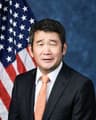 Dave Min
Democrat · California
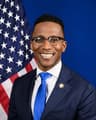 Christian Menefee
Democrat · Texas
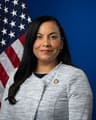 Analilia Mejia
Democrat · New Jersey
 Jerrold Nadler
Democrat · New York
 Richard Neal
Democrat · Massachusetts
 Eleanor Norton
Democrat · District of Columbia
 Donald Norcross
Democrat · New Jersey
 Joe Neguse
Democrat · Colorado
 Alexandria Ocasio-Cortez
Democrat · New York
 Ilhan Omar
Democrat · Minnesota
 Chellie Pingree
Democrat · Maine
 Mark Pocan
Democrat · Wisconsin
 Scott Peters
Democrat · California
 Jimmy Panetta
Democrat · California
 Chris Pappas
Democrat · New Hampshire
 Ayanna Pressley
Democrat · Massachusetts
 Brittany Pettersen
Democrat · Colorado
 Nellie Pou
Democrat · New Jersey
 Mike Quigley
Democrat · Illinois
 Deborah Ross
Democrat · North Carolina
 Patrick Ryan
Democrat · New York
 Raul Ruiz
Democrat · California
 Jamie Raskin
Democrat · Maryland
 Delia Ramirez
Democrat · Illinois
 Luz Rivas
Democrat · California
 Emily Randall
Democrat · Washington
 Josh Riley
Democrat · New York
 Robert Scott
Democrat · Virginia
 Brad Sherman
Democrat · California
 Adam Smith
Democrat · Washington
 Janice Schakowsky
Democrat · Illinois
 Linda Sánchez
Democrat · California
 Marilyn Strickland
Democrat · Washington
 Terri Sewell
Democrat · Alabama
 Bradley Schneider
Democrat · Illinois
 Darren Soto
Democrat · Florida
 Thomas Suozzi
Democrat · New York
 Mary Gay Scanlon
Democrat · Pennsylvania
 Greg Stanton
Democrat · Arizona
 Haley Stevens
Democrat · Michigan
 Kim Schrier
Democrat · Washington
 Melanie Stansbury
Democrat · New Mexico
 Hillary Scholten
Democrat · Michigan
 Emilia Sykes
Democrat · Ohio
 Eric Sorensen
Democrat · Illinois
 Andrea Salinas
Democrat · Oregon
 Suhas Subramanyam
Democrat · Virginia
 Lateefah Simon
Democrat · California
 Bennie Thompson
Democrat · Mississippi
 Mike Thompson
Democrat · California
 Dina Titus
Democrat · Nevada
 Paul Tonko
Democrat · New York
 Norma Torres
Democrat · California
 Rashida Tlaib
Democrat · Michigan
 Lori Trahan
Democrat · Massachusetts
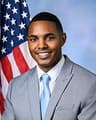 Ritchie Torres
Democrat · New York
 Jill Tokuda
Democrat · Hawaii
 Shri Thanedar
Democrat · Michigan
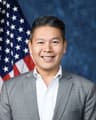 Derek Tran
Democrat · California
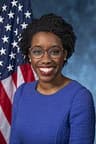 Lauren Underwood
Democrat · Illinois
 Nydia Velázquez
Democrat · New York
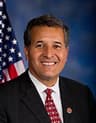 Juan Vargas
Democrat · California
 Gabe Vasquez
Democrat · New Mexico
 Eugene Vindman
Democrat · Virginia
 Maxine Waters
Democrat · California
 Nikema Williams
Democrat · Georgia
 Debbie Wasserman Schultz
Democrat · Florida
 Frederica Wilson
Democrat · Florida
 Bonnie Watson Coleman
Democrat · New Jersey
 George Whitesides
Democrat · California
 James Walkinshaw
Democrat · Virginia