
A Republican bill with 13 Republican cosponsors · See all 13 cosponsors
Last activity — Read twice and referred to the Committee on the Judiciary.
In committee
Introduced and handed to a committee in the chamber it started in.
The committee holds it, and most bills are never heard from again. A hearing or a committee vote would be news; silence is the usual outcome, and it kills the bill without anyone voting against it.
Its path through Congress
- Introduced
- In Committee
What this bill would do
This bill, known as the "Halo Act," proposes to amend title 18 of the United States Code. It seeks to establish a new criminal penalty for obstructing immigration enforcement activities. The bill defines a Federal immigration enforcement officer and the term harass. It makes it unlawful for a person to approach or remain within 25 feet of an officer after receiving a verbal warning if they intend to impede duties, threaten harm, or harass the officer. Violators could face fines and imprisonment for up to 5 years.
Yes
- Scored +5
Does this tighten control of the border?
The bill enhances the ability of federal immigration enforcement officers to perform their duties without obstruction or harassment.
The opposite· 3 of 5
- Scored -5
Would immigrants be better off under this?
The bill increases the risk of criminal prosecution and imprisonment for individuals interacting with immigration enforcement officers.
- Scored -4
Would Hispanic Americans be better off under this?
The bill increases criminal penalties for those who obstruct immigration enforcement activities, which disproportionately impacts this demographic.
- Scored -3
Would households on low incomes be better off under this?
The bill introduces potential criminal liability and prison time for actions that could impact low-income individuals interacting with immigration officers.
Who it would affect, and how
Potential Positive Impacts for People
-
Protection of Federal Immigration Enforcement Officers: The bill creates legal consequences for those who intend to impede an officer's legal duties, threaten them with physical harm, or harass them (Section 2(b)). This provides a specific legal mechanism to address conduct directed at these officers.
-
Prevention of Harassment: By defining "harass" as conduct that causes substantial emotional distress and serves no legitimate purpose, the bill aims to penalize specific types of behavior directed at officers (Section 2(a)(2)).
Potential Negative Impacts for People
-
Criminal Penalties for Proximity: A person could face a fine or up to 5 years in prison if they approach or remain within 25 feet of an officer after a verbal warning, provided there is intent to impede, threaten, or harass (Section 2(b)).
-
Legal Risk Following Verbal Warnings: The law triggers potential criminal liability once a person receives a verbal warning from an individual they know or should reasonably know is a Federal immigration enforcement officer (Section 2(b)).
Groups and Interests Ranking
Every group the model scored this bill for, from -10 to +10. Tap or hover a score for the reason it gave.
- Demographic And Interest Groups
- Would immigrants be better off under this? — The bill increases the risk of criminal prosecution and imprisonment for individuals interacting with immigration enforcement officers. Would Hispanic Americans be better off under this? — The bill increases criminal penalties for those who obstruct immigration enforcement activities, which disproportionately impacts this demographic. Would households on low incomes be better off under this? — The bill introduces potential criminal liability and prison time for actions that could impact low-income individuals interacting with immigration officers.
- Social Issues And Justice
- Does this tighten control of the border? — The bill enhances the ability of federal immigration enforcement officers to perform their duties without obstruction or harassment. Does this make it easier for immigrants already here to become citizens? — The bill increases the criminal risks and potential for imprisonment for individuals interacting with immigration enforcement officers.
- Governance And Ideology
- Does this protect the right to fair treatment by the courts? — The bill creates new criminal penalties based on proximity and intent following a verbal warning from an officer.
- 4/28/2026
- 1 Cosponsor added.
- 2/4/2026
- 1 Cosponsor added.
- 1/27/2026
- 1 Cosponsor added.
- 1/15/2026
- 2 Cosponsors added.
- 1/13/2026
- 1 Cosponsor added.
- 1/12/2026
- 2 Cosponsors added.
- 12/11/2025
- 1 Cosponsor added.
- 12/10/2025
- 1 Cosponsor added.
- 12/3/2025
- 2 Cosponsors added.
- 12/2/2025
- 1 Cosponsor added.
- 11/18/2025
- Read twice and referred to the Committee on the Judiciary.
- Introduced in Senate
One bill Congress.gov lists as related to this one — companions in the other chamber, earlier versions, and bills this one absorbed or was folded into.
 Marsha Blackburn
Republican · Tennessee
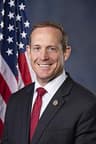 Ted Budd
Republican · North Carolina
 Tom Cotton
Republican · Arkansas
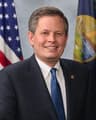 Steve Daines
Republican · Montana
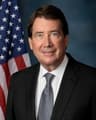 Bill Hagerty
Republican · Tennessee
 Cynthia Lummis
Republican · Wyoming
 Markwayne Mullin
Republican · Oklahoma
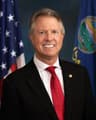 Roger Marshall
Republican · Kansas
 Bernie Moreno
Republican · Ohio
 Rick Scott
Republican · Florida
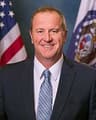 Eric Schmitt
Republican · Missouri
 Tim Sheehy
Republican · Montana
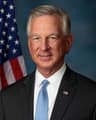 Tommy Tuberville
Republican · Alabama