A Republican bill with 88 Republican cosponsors · See all 88 cosponsors
Last activity — Referred to the House Committee on Energy and Commerce.
In committee
Introduced and handed to a committee in the chamber it started in.
The committee holds it, and most bills are never heard from again. A hearing or a committee vote would be news; silence is the usual outcome, and it kills the bill without anyone voting against it.
Its path through Congress
- Introduced
- In Committee
What this bill would do
The Support And Value Expectant Moms and Babies Act of 2025 aims to amend the Federal Food, Drug, and Cosmetic Act. It prohibits the approval of new abortion drugs and denies investigational use exemptions for abortion drugs or investigations that destroy an unborn child. For drugs already approved, the bill prevents labeling changes to allow use after 70 days gestation or for dispensing by methods other than in-person administration by a practitioner. It also mandates a specific risk evaluation and mitigation strategy for previously approved abortion drugs. This strategy includes strict certification requirements for healthcare practitioners and limits dispensing to specific medical settings.
Yes
- Scored +5
Does this give the federal government more power?
The bill expands the authority of the FDA to regulate and restrict specific medications.
The opposite· 3 of 6
- Scored -8
Does this make abortion easier to get?
The bill significantly restricts abortion access by prohibiting new drug approvals and imposing strict in-person administration requirements for existing drugs.
- Scored -7
Would women be better off under this?
The bill imposes significant restrictions on reproductive health options and autonomy for women.
- Scored -5
Would households on low incomes be better off under this?
The requirement for in-person administration in clinical settings may increase costs and barriers for low-income individuals.
Who it would affect, and how
Potential Positive Impacts for People
-
Enhanced Practitioner Capabilities: Under Section 2(a)(2)(C)(ii), the bill requires certified practitioners to have the ability to assess pregnancy duration, diagnose ectopic pregnancies, and provide surgical intervention for incomplete abortions or severe bleeding.
-
Improved Access to Emergency Care: Section 2(a)(2)(C)(ii)(I) requires practitioners to ensure patients have access to medical facilities capable of providing blood transfusions and resuscitation if necessary.
-
Increased Safety Monitoring: Section 2(a)(2)(C)(ii)(V) and Section 2(a)(3) require the reporting of deaths and other adverse events to the FDA and manufacturers to track the use of these drugs.
Potential Negative Impacts for People
-
Restricted Drug Access: Section 2(a)(1)(A) prohibits the approval of new applications for marketing abortion drugs, and Section 2(a)(1)(B) prohibits granting investigational use exemptions.
-
Limitations on Drug Use and Dispensing: Section 2(a)(2)(A) prohibits labeling changes to allow use after 70 days gestation or for dispensing by any means other than in-person administration by a healthcare practitioner. Additionally, Section 2(a)(2)(C)(iii) limits dispensing to clinics, medical offices, or hospitals.
-
Increased Requirements for Healthcare Providers: Section 2(a)(2)(C)(i) requires practitioners to be certified under a specific strategy and prohibits them from acting in their capacity as a pharmacist.
-
Loss of Existing Exemptions: Section 2(b) states that existing investigational use exemptions will be deemed rescinded three years after the Act's enactment if they would be prohibited under the new rules.
Groups and Interests Ranking
Every group the model scored this bill for, from -10 to +10. Tap or hover a score for the reason it gave.
- Demographic And Interest Groups
- Would women be better off under this? — The bill imposes significant restrictions on reproductive health options and autonomy for women. Would households on low incomes be better off under this? — The requirement for in-person administration in clinical settings may increase costs and barriers for low-income individuals. Would people in rural areas be better off under this? — Strict clinic-based requirements may disproportionately affect access for those in rural areas with limited medical facilities.
- Healthcare
- Does this make abortion easier to get? — The bill significantly restricts abortion access by prohibiting new drug approvals and imposing strict in-person administration requirements for existing drugs. Does this make health care easier to get in general? — The bill restricts medication access to specific clinical settings, potentially creating barriers to care.
- Governance And Ideology
- Does this give the federal government more power? — The bill expands the authority of the FDA to regulate and restrict specific medications.
- Social Issues And Justice
- Does this narrow the gap between how men and women are treated? — The restrictions on abortion-related medication may disproportionately impact reproductive autonomy for women.
- 11/12/2026
- 1 Cosponsor added.
- 11/10/2026
- 1 Cosponsor added.
- 11/9/2026
- 1 Cosponsor added.
- 10/29/2026
- 1 Cosponsor added.
- 10/26/2026
- 2 Cosponsors added.
- 10/22/2026
- 2 Cosponsors added.
- 10/15/2026
- 2 Cosponsors added.
- 9/4/2026
- 2 Cosponsors added.
- 9/3/2026
- 1 Cosponsor added.
- 9/2/2026
- 2 Cosponsors added.
- 9/1/2026
- 9 Cosponsors added.
- 8/6/2026
- 1 Cosponsor added.
- 7/27/2026
- 2 Cosponsors added.
- 7/20/2026
- 2 Cosponsors added.
- 7/14/2026
- 1 Cosponsor added.
- 7/13/2026
- 1 Cosponsor added.
- 6/23/2026
- 1 Cosponsor added.
- 6/3/2026
- 1 Cosponsor added.
- 5/13/2026
- 1 Cosponsor added.
- 5/12/2026
- 2 Cosponsors added.
- 4/28/2026
- 1 Cosponsor added.
- 4/27/2026
- 1 Cosponsor added.
- 4/22/2026
- 1 Cosponsor added.
- 4/21/2026
- 5 Cosponsors added.
- 4/20/2026
- 2 Cosponsors added.
- 4/16/2026
- 5 Cosponsors added.
- 4/15/2026
- 1 Cosponsor added.
- 4/14/2026
- 7 Cosponsors added.
- 10/31/2025
- 1 Cosponsor added.
- 9/19/2025
- 1 Cosponsor added.
- 2/11/2025
- 2 Cosponsors added.
- 1/23/2025
- Referred to the House Committee on Energy and Commerce.
- 25 Cosponsors added.
- Introduced in House
One bill Congress.gov lists as related to this one — companions in the other chamber, earlier versions, and bills this one absorbed or was folded into.
 Robert Aderholt
Republican · Alabama
 Lauren Boebert
Republican · Colorado
 Gus Bilirakis
Republican · Florida
 Brian Babin
Republican · Texas
 Mike Bost
Republican · Illinois
 Jack Bergman
Republican · Michigan
 Andy Biggs
Republican · Arizona
 James Baird
Republican · Indiana
 Aaron Bean
Republican · Florida
 Josh Brecheen
Republican · Oklahoma
 Sheri Biggs
Republican · South Carolina
 Kat Cammack
Republican · Florida
 Michael Cloud
Republican · Texas
 Andrew Clyde
Republican · Georgia
 Ben Cline
Republican · Virginia
 Jeff Crank
Republican · Colorado
 Warren Davidson
Republican · Ohio
 Troy Downing
Republican · Montana
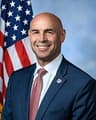 Jake Ellzey
Republican · Texas
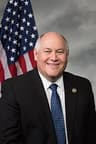 Ron Estes
Republican · Kansas
 Randy Feenstra
Republican · Iowa
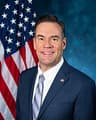 Russ Fulcher
Republican · Idaho
 Michelle Fischbach
Republican · Minnesota
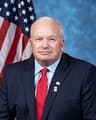 Scott Fitzgerald
Republican · Wisconsin
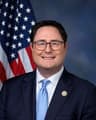 Mike Flood
Republican · Nebraska
 Brad Finstad
Republican · Minnesota
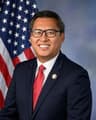 Vince Fong
Republican · California
 Julie Fedorchak
Republican · North Dakota
 Randy Fine
Republican · Florida
 Clay Fuller
Republican · Georgia
 Paul Gosar
Republican · Arizona
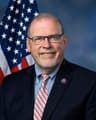 H. Griffith
Republican · Virginia
 Michael Guest
Republican · Mississippi
 Craig Goldman
Republican · Texas
 Brandon Gill
Republican · Texas
 Andy Harris
Republican · Maryland
 J. Hill
Republican · Arkansas
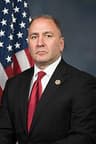 Clay Higgins
Republican · Louisiana
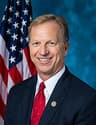 Kevin Hern
Republican · Oklahoma
 Diana Harshbarger
Republican · Tennessee
 Erin Houchin
Republican · Indiana
 Harriet Hageman
Republican · Wyoming
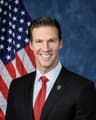 Pat Harrigan
Republican · North Carolina
 Darrell Issa
Republican · California
 Brian Jack
Republican · Georgia
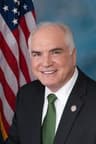 Mike Kelly
Republican · Pennsylvania
 Mike Kennedy
Republican · Utah
 Darin LaHood
Republican · Illinois
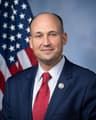 Nicholas Langworthy
Republican · New York
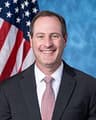 Tracey Mann
Republican · Kansas
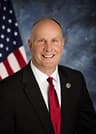 John Moolenaar
Republican · Michigan
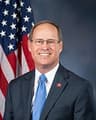 Gregory Murphy
Republican · North Carolina
 Mary Miller
Republican · Illinois
 Barry Moore
Republican · Alabama
 Cory Mills
Republican · Florida
 Richard McCormick
Republican · Georgia
 Nathaniel Moran
Republican · Texas
 Mark Messmer
Republican · Indiana
 Tim Moore
Republican · North Carolina
 John McGuire
Republican · Virginia
 Addison McDowell
Republican · North Carolina
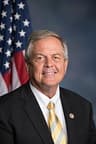 Ralph Norman
Republican · South Carolina
 Andrew Ogles
Republican · Tennessee
 Robert Onder
Republican · Missouri
 August Pfluger
Republican · Texas
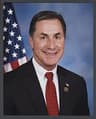 Gary Palmer
Republican · Alabama
 Jimmy Patronis
Republican · Florida
 Mike Rogers
Republican · Alabama
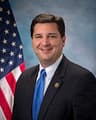 David Rouzer
Republican · North Carolina
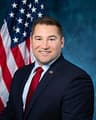 Guy Reschenthaler
Republican · Pennsylvania
 Chip Roy
Republican · Texas
 Michael Rulli
Republican · Ohio
 Christopher Smith
Republican · New Jersey
 Michael Simpson
Republican · Idaho
 Adrian Smith
Republican · Nebraska
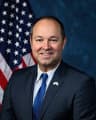 Marlin Stutzman
Republican · Indiana
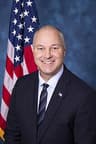 Pete Stauber
Republican · Minnesota
 W. Steube
Republican · Florida
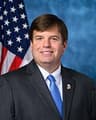 Dale Strong
Republican · Alabama
 Jefferson Shreve
Republican · Indiana
 Glenn Thompson
Republican · Pennsylvania
 Claudia Tenney
Republican · New York
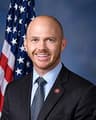 William Timmons
Republican · South Carolina
 Joe Wilson
Republican · South Carolina
 Tim Walberg
Republican · Michigan
 Daniel Webster
Republican · Florida
 Randy Weber
Republican · Texas
 Rudy Yakym
Republican · Indiana