A Republican bill with 113 Democratic cosponsors · See all 169 cosponsors
Last activity — Referred to the House Committee on Education and Workforce.
In committee
Introduced and handed to a committee in the chamber it started in.
The committee holds it, and most bills are never heard from again. A hearing or a committee vote would be news; silence is the usual outcome, and it kills the bill without anyone voting against it.
Its path through Congress
- Introduced
- In Committee
What this bill would do
The Safe Step Act seeks to amend the Employee Retirement Income Security Act of 1974. This bill requires group health plans or health insurance issuers that use medication step therapy protocols to provide a specific exceptions process. It mandates a clear, prompt, and transparent way for participants, beneficiaries, or their prescribers to request an exception to these protocols. The bill outlines specific circumstances that would qualify for an exception, such as ineffective previous treatments or risks of severe consequences. Additionally, it establishes strict timelines for how quickly insurance plans must respond to these requests.
Yes· 3 of 27
- Scored +7
Does this make health care easier to get in general?
Reduces barriers to necessary medications by streamlining the exception process for step therapy.
- Scored +6
Would people with disabilities be better off under this?
Directly addresses barriers to medications for people whose conditions make standard step therapy harmful or ineffective.
- Scored +5
Would people over 65 be better off under this?
High likelihood of benefit for seniors who often manage multiple comorbidities requiring specific non-preferred drugs.
The opposite
- Scored -2
Does this protect people from being watched or searched?
Requires the disclosure of private medical records to insurance companies to qualify for medication exceptions.
- Scored -2
Does this give people more control over their personal data?
May require patients to disclose sensitive medical history and records to insurance plans to obtain exceptions.
- Scored -1
Would business owners be better off under this?
May increase administrative costs for employers managing group health plans.
Who it would affect, and how
Potential Positive Impacts for People
-
Access to Necessary Medication: Plans must cover requested drugs if certain criteria are met, such as when previous treatments were ineffective, a delay in treatment would cause severe consequences, or a drug is contraindicated due to potential harm (Section 2(a)(2) and Section 2(b)).
-
Standardized and Transparent Processes: The bill requires a clear process that uses standard forms available in both paper and electronic formats, making it easier for people to navigate (Section 2(c)(1)).
-
Protection of Physical and Mental Function: Exceptions can be requested if a required treatment prevents a person from achieving or maintaining reasonable and safe functional ability in occupational responsibilities or activities of daily living (Section 2(b)(4)).
-
Stability for Chronic Conditions: People who are stable on a specific drug and have had prior coverage for it through a public or private plan can qualify for an exception (Section 2(b)(5)).
-
Faster Decision Making: The bill mandates quick response times, requiring a determination within 72 hours for standard requests, or as little as 24 hours for expedited requests involving serious threats to life or health (Section 2(d)).
-
Consistency in Coverage: Once an exception is granted, coverage for the requested drug must remain in effect for at least one year (Section 2(e)).
Potential Negative Impacts for People
-
Information Disclosure Requirements: To qualify for an exception, participants or beneficiaries may be required to disclose their medical history or other health records to demonstrate that they have tried other drugs or established stability (Section 2(c)(1)(D)).
-
Administrative Burden: While the bill aims for clarity, the process still requires the submission of specific criteria and documentation to the plan or issuer to determine if an exception is warranted (Section 2(c)(1)(D)).
Groups and Interests Ranking
Every group the model scored this bill for, from -10 to +10. Tap or hover a score for the reason it gave.
- Demographic And Interest Groups
- Would people with disabilities be better off under this? — Directly addresses barriers to medications for people whose conditions make standard step therapy harmful or ineffective. Would people over 65 be better off under this? — High likelihood of benefit for seniors who often manage multiple comorbidities requiring specific non-preferred drugs. Would Black Americans be better off under this? — Improves access to critical medications for populations disproportionately affected by certain chronic diseases. Would Asian Americans be better off under this? — Improves access to critical medications for populations disproportionately affected by certain chronic diseases. Would children be better off under this? — Children with chronic conditions can access necessary medications faster through mandated exception processes. Would Hispanic Americans be better off under this? — Improves access to critical medications for populations disproportionately affected by certain chronic diseases. Would LGBTQ people be better off under this? — Facilitates access to gender-affirming or specialty medications if they are subject to step therapy. Would households on low incomes be better off under this? — Reduces the burden of navigating complex insurance hurdles to get necessary treatment. Would men be better off under this? — Improves access to specialty medications for chronic conditions. Would people in middle age be better off under this? — Reduces delays in treatment for adults dealing with chronic or severe illnesses. Would middle-income households be better off under this? — Improves outcomes for those with employer-sponsored group health plans. Would Native Americans be better off under this? — Improves access to critical medications for populations disproportionately affected by certain chronic diseases. Would union members be better off under this? — Beneficial for those in union-sponsored group health plans. Would white Americans be better off under this? — Improves access to critical medications for populations disproportionately affected by certain chronic diseases. Would women be better off under this? — Improves access to specialty medications often needed for autoimmune or endocrine conditions. Would people in their twenties and thirties be better off under this? — Provides better access to necessary medications through streamlined insurance exception processes. Would billionaires be better off under this? — General improvement in health insurance accessibility. Would high-income households be better off under this? — Provides more consistency in drug coverage across different plans. Would people with substantial wealth be better off under this? — General improvement in health insurance accessibility. Would the very wealthiest people be better off under this? — General improvement in health insurance accessibility. Would business owners be better off under this? — May increase administrative costs for employers managing group health plans.
- Healthcare
- Does this make health care easier to get in general? — Reduces barriers to necessary medications by streamlining the exception process for step therapy. Does this make mental health care easier to get? — Provides exceptions for medications treating mental health conditions if step therapy would cause harm or worsen the condition.
- Governance And Ideology
- Does this protect the right to fair treatment by the courts? — Establishes clear timelines and standard forms for the adjudication of medication exceptions. Does this make what the government does easier for the public to see? — Requires plans to report step therapy exception data to the Secretary and Congress, which is then made public. Does this give the federal government more power? — Increases federal oversight of group health plan administration via ERISA amendments. Does this protect people from being watched or searched? — Requires the disclosure of private medical records to insurance companies to qualify for medication exceptions.
- Economy And Finance
- Does this give people more protection from unfair business practices? — Enhances patient rights by providing a transparent process to challenge medication step therapy protocols.
- Social Issues And Justice
- Does this expand the rights of people with disabilities? — Helps individuals with chronic disabilities obtain specific medications more quickly when alternatives are ineffective.
- Education And Technology
- Does this give people more control over their personal data? — May require patients to disclose sensitive medical history and records to insurance plans to obtain exceptions.
- 10/5/2026
- 7 Cosponsors added.
- 9/14/2026
- 4 Cosponsors added.
- 9/1/2026
- 3 Cosponsors added.
- 7/22/2026
- 2 Cosponsors added.
- 7/14/2026
- 5 Cosponsors added.
- 6/30/2026
- 2 Cosponsors added.
- 6/24/2026
- 1 Cosponsor added.
- 6/23/2026
- 3 Cosponsors added.
- 6/11/2026
- 3 Cosponsors added.
- 6/4/2026
- 1 Cosponsor added.
- 5/21/2026
- 2 Cosponsors added.
- 5/13/2026
- 6 Cosponsors added.
- 4/29/2026
- 2 Cosponsors added.
- 4/28/2026
- 1 Cosponsor added.
- 4/27/2026
- 5 Cosponsors added.
- 4/15/2026
- 16 Cosponsors added.
- 3/26/2026
- 4 Cosponsors added.
- 3/25/2026
- 2 Cosponsors added.
- 3/18/2026
- 11 Cosponsors added.
- 3/4/2026
- 8 Cosponsors added.
- 2/24/2026
- 3 Cosponsors added.
- 2/20/2026
- 11 Cosponsors added.
- 2/12/2026
- 9 Cosponsors added.
- 2/10/2026
- 3 Cosponsors added.
- 2/4/2026
- 2 Cosponsors added.
- 1/22/2026
- 1 Cosponsor added.
- 1/20/2026
- 2 Cosponsors added.
- 1/14/2026
- 1 Cosponsor added.
- 1/13/2026
- 1 Cosponsor added.
- 1/7/2026
- 1 Cosponsor added.
- 12/16/2025
- 5 Cosponsors added.
- 12/12/2025
- 4 Cosponsors added.
- 12/10/2025
- 2 Cosponsors added.
- 12/9/2025
- 1 Cosponsor added.
- 11/21/2025
- 1 Cosponsor added.
- 11/20/2025
- 1 Cosponsor added.
- 11/17/2025
- 3 Cosponsors added.
- 11/7/2025
- 26 Cosponsors added.
- 9/19/2025
- Referred to the House Committee on Education and Workforce.
- 4 Cosponsors added.
- Introduced in House
One bill Congress.gov lists as related to this one — companions in the other chamber, earlier versions, and bills this one absorbed or was folded into.
 Alma Adams
Democrat · North Carolina
 Gabe Amo
Democrat · Rhode Island
 Sanford Bishop
Democrat · Georgia
 Suzanne Bonamici
Democrat · Oregon
 Joyce Beatty
Democrat · Ohio
 Ami Bera
Democrat · California
 Donald Beyer
Democrat · Virginia
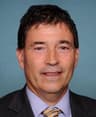 Troy Balderson
Republican · Ohio
 Nikki Budzinski
Democrat · Illinois
 Becca Balint
Democrat · Vermont
 Janelle Bynum
Democrat · Oregon
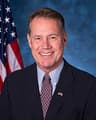 Ed Case
Democrat · Hawaii
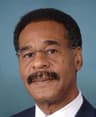 Emanuel Cleaver
Democrat · Missouri
 Kathy Castor
Democrat · Florida
 Yvette Clarke
Democrat · New York
 Steve Cohen
Democrat · Tennessee
 Joaquin Castro
Democrat · Texas
 Earl Carter
Republican · Georgia
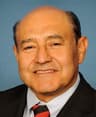 J. Correa
Democrat · California
 Salud Carbajal
Democrat · California
 Angie Craig
Democrat · Minnesota
 Jason Crow
Democrat · Colorado
 Mike Carey
Republican · Ohio
 Sheila Cherfilus-McCormick
Democrat · Florida
 Herbert Conaway
Democrat · New Jersey
 Jeff Crank
Republican · Colorado
 Donald Davis
Democrat · North Carolina
 Christopher Deluzio
Democrat · Pennsylvania
 Suzan DelBene
Democrat · Washington
 Debbie Dingell
Democrat · Michigan
 Neal Dunn
Republican · Florida
 Sharice Davids
Democrat · Kansas
 Madeleine Dean
Democrat · Pennsylvania
 Mike Ezell
Republican · Mississippi
 Adriano Espaillat
Democrat · New York
 Brian Fitzpatrick
Republican · Pennsylvania
 Lizzie Fletcher
Democrat · Texas
 Mike Flood
Republican · Nebraska
 Maxwell Frost
Democrat · Florida
 Valerie Foushee
Democrat · North Carolina
 Shomari Figures
Democrat · Alabama
 Laura Friedman
Democrat · California
 Randy Fine
Republican · Florida
 Sam Graves
Republican · Missouri
 Al Green
Democrat · Texas
 Vicente Gonzalez
Democrat · Texas
 Josh Gottheimer
Democrat · New Jersey
 Michael Guest
Republican · Mississippi
 Daniel Goldman
Democrat · New York
 Marie Perez
Democrat · Washington
 Laura Gillen
Democrat · New York
 Maggie Goodlander
Democrat · New Hampshire
 Adelita Grijalva
Democrat · Arizona
 James Himes
Democrat · Connecticut
 Andy Harris
Republican · Maryland
 Bill Huizenga
Republican · Michigan
 Richard Hudson
Republican · North Carolina
 J. Hill
Republican · Arkansas
 Jahana Hayes
Democrat · Connecticut
 Chrissy Houlahan
Democrat · Pennsylvania
 Diana Harshbarger
Republican · Tennessee
 Ashley Hinson
Republican · Iowa
 Erin Houchin
Republican · Indiana
 Pat Harrigan
Republican · North Carolina
 Henry Johnson
Democrat · Georgia
 John Joyce
Republican · Pennsylvania
 Julie Johnson
Democrat · Texas
 William Keating
Democrat · Massachusetts
 Mike Kelly
Republican · Pennsylvania
 Raja Krishnamoorthi
Democrat · Illinois
 Young Kim
Republican · California
 Thomas Kean
Republican · New Jersey
 Jennifer Kiggans
Republican · Virginia
 Timothy Kennedy
Democrat · New York
 Mike Kennedy
Republican · Utah
 Stephen Lynch
Democrat · Massachusetts
 Ted Lieu
Democrat · California
 Barry Loudermilk
Republican · Georgia
 Darin LaHood
Republican · Illinois
 Mike Levin
Democrat · California
 Anna Paulina Luna
Republican · Florida
 Nick LaLota
Republican · New York
 Michael Lawler
Republican · New York
 Nicholas Langworthy
Republican · New York
 Summer Lee
Democrat · Pennsylvania
 Nancy Mace
Republican · South Carolina
 James McGovern
Democrat · Massachusetts
 Tracey Mann
Republican · Kansas
 Gregory Meeks
Democrat · New York
 Betty McCollum
Democrat · Minnesota
 Gwen Moore
Democrat · Wisconsin
 Doris Matsui
Democrat · California
 Grace Meng
Democrat · New York
 Seth Moulton
Democrat · Massachusetts
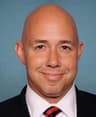 Brian Mast
Republican · Florida
 Carol Miller
Republican · West Virginia
 Lucy McBath
Democrat · Georgia
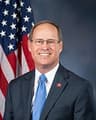 Gregory Murphy
Republican · North Carolina
 Frank Mrvan
Democrat · Indiana
 Mariannette Miller-Meeks
Republican · Iowa
 Kevin Mullin
Democrat · California
 Jennifer McClellan
Democrat · Virginia
 Ryan Mackenzie
Republican · Pennsylvania
 April McClain Delaney
Democrat · Maryland
 Kelly Morrison
Democrat · Minnesota
 Tim Moore
Republican · North Carolina
 Sarah McBride
Democrat · Delaware
 John McGuire
Republican · Virginia
 Analilia Mejia
Democrat · New Jersey
 Jerrold Nadler
Democrat · New York
 Eleanor Norton
Democrat · District of Columbia
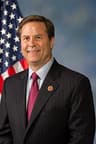 Donald Norcross
Democrat · New Jersey
 Dan Newhouse
Republican · Washington
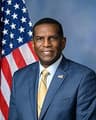 Burgess Owens
Republican · Utah
 Alexandria Ocasio-Cortez
Democrat · New York
 Ilhan Omar
Democrat · Minnesota
 Robert Onder
Republican · Missouri
 Chellie Pingree
Democrat · Maine
 Mark Pocan
Democrat · Wisconsin
 Scott Peters
Democrat · California
 Jimmy Panetta
Democrat · California
 Chris Pappas
Democrat · New Hampshire
 Deborah Ross
Democrat · North Carolina
 Patrick Ryan
Democrat · New York
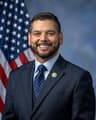 Raul Ruiz
Democrat · California
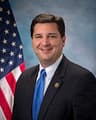 David Rouzer
Republican · North Carolina
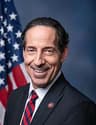 Jamie Raskin
Democrat · Maryland
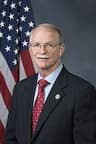 John Rutherford
Republican · Florida
 Emily Randall
Democrat · Washington
 Josh Riley
Democrat · New York
 Maria Salazar
Republican · Florida
 Brad Sherman
Democrat · California
 Adam Smith
Democrat · Washington
 Linda Sánchez
Democrat · California
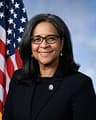 Marilyn Strickland
Democrat · Washington
 Bradley Schneider
Democrat · Illinois
 Darren Soto
Democrat · Florida
 Thomas Suozzi
Democrat · New York
 Mary Gay Scanlon
Democrat · Pennsylvania
 Greg Stanton
Democrat · Arizona
 W. Steube
Republican · Florida
 Haley Stevens
Democrat · Michigan
 Kim Schrier
Democrat · Washington
 Melanie Stansbury
Democrat · New Mexico
 Hillary Scholten
Democrat · Michigan
 Emilia Sykes
Democrat · Ohio
 Eric Sorensen
Democrat · Illinois
 Derek Schmidt
Republican · Kansas
 Jefferson Shreve
Republican · Indiana
 Lateefah Simon
Democrat · California
 Michael Turner
Republican · Ohio
 Glenn Thompson
Republican · Pennsylvania
 Paul Tonko
Democrat · New York
 Rashida Tlaib
Democrat · Michigan
 Lori Trahan
Democrat · Massachusetts
 Ritchie Torres
Democrat · New York
 Jill Tokuda
Democrat · Hawaii
 Shri Thanedar
Democrat · Michigan
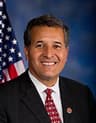 Juan Vargas
Democrat · California
 Beth Van Duyne
Republican · Texas
 Derrick Van Orden
Republican · Wisconsin
 Gabe Vasquez
Democrat · New Mexico
 Eugene Vindman
Democrat · Virginia
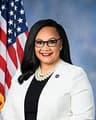 Nikema Williams
Democrat · Georgia
 Joe Wilson
Republican · South Carolina
 Debbie Wasserman Schultz
Democrat · Florida
 Robert Wittman
Republican · Virginia
 James Walkinshaw
Democrat · Virginia
 Rudy Yakym
Republican · Indiana