
A Republican bill with 8 Democratic cosponsors · See all 48 cosponsors
Last activity — Referred to the House Committee on Agriculture.
In committee
Introduced and handed to a committee in the chamber it started in.
The committee holds it, and most bills are never heard from again. A hearing or a committee vote would be news; silence is the usual outcome, and it kills the bill without anyone voting against it.
Its path through Congress
- Introduced
- In Committee
What this bill would do
This bill, known as the "Processing Revival and Intrastate Meat Exemption Act" or the "PRIME Act," seeks to amend the Federal Meat Inspection Act. It aims to exempt the slaughter of animals and the preparation of carcasses at custom slaughter facilities from certain federal inspection requirements. This exemption would apply if the operations follow the laws of the State where the facility is located. Additionally, the products must be distributed exclusively to household consumers or specific food establishments within the same State. The bill also clarifies that it does not preempt existing State laws regarding these activities.
Yes· 3 of 10
- Scored +6
Does this make it easier to run a small business?
It significantly eases regulatory burdens on small-scale custom slaughter facilities and local meat distributors.
- Scored +5
Would business owners be better off under this?
The bill provides significant regulatory relief for custom slaughter facility owners.
- Scored +5
Would farmers be better off under this?
The bill directly supports livestock producers and local agricultural businesses.
The opposite
- Scored -3
Does this give people more protection from unfair business practices?
Reducing federal inspection requirements may decrease standard food safety oversight for consumers.
- Scored -3
Does this give the federal government more power?
The bill specifically reduces federal oversight and inspection authority.
- Scored -2
Does this better protect air, water and wildlife?
The reduction in federal oversight may potentially weaken environmental and food safety standards.
Who it would affect, and how
Potential Positive Impacts for People
-
Exemption from federal inspection requirements for custom slaughtering: This provision allows for the slaughtering and preparation of animals at custom slaughter facilities without needing to meet specific federal inspection requirements, provided they follow State law (Section 2, Paragraph (b)(1)).
-
Expanded distribution to local consumers: The bill allows meat and meat food products from custom slaughter facilities to be distributed to household consumers and various establishments like restaurants, hotels, and grocery stores within the same State (Section 2, Paragraph (b)(1)(B)).
-
Protection of State authority: The bill ensures that the new federal exemptions do not override or preempt existing State laws concerning animal slaughter or meat preparation and sale (Section 3).
Potential Negative Impacts for People
- No specific negative impacts are explicitly detailed in the provided text.
Groups and Interests Ranking
Every group the model scored this bill for, from -10 to +10. Tap or hover a score for the reason it gave.
- Demographic And Interest Groups
- Would business owners be better off under this? — The bill provides significant regulatory relief for custom slaughter facility owners. Would farmers be better off under this? — The bill directly supports livestock producers and local agricultural businesses. Would people in rural areas be better off under this? — Rural communities benefit from easier establishment of local meat processing capabilities. Would middle-income households be better off under this? — The bill may provide more local options for meat products, though impact on cost is unclear.
- Economy And Finance
- Does this make it easier to run a small business? — It significantly eases regulatory burdens on small-scale custom slaughter facilities and local meat distributors. Is this likely to create jobs? — The exemption may stimulate growth in the local meat processing and custom slaughter sectors. Is this likely to grow the economy? — It facilitates local commerce and intrastate meat distribution. Does this reduce what the federal government spends? — Reducing federal inspection requirements may slightly lower federal oversight costs. Does this give people more protection from unfair business practices? — Reducing federal inspection requirements may decrease standard food safety oversight for consumers.
- Environment Energy And Infrastructure
- Does this invest in rural communities? — The bill supports the viability of small-scale agricultural infrastructure often found in rural areas. Does this better protect air, water and wildlife? — The reduction in federal oversight may potentially weaken environmental and food safety standards.
- Governance And Ideology
- Does this leave more decisions to the states? — The bill increases state-level authority over meat inspection and distribution within state lines. Does this give the federal government more power? — The bill specifically reduces federal oversight and inspection authority.
- 8/31/2026
- 1 Cosponsor added.
- 4/22/2026
- 1 Cosponsor added.
- 11/20/2025
- 1 Cosponsor added.
- 10/31/2025
- 1 Cosponsor added.
- 7/23/2025
- Referred to the House Committee on Agriculture.
- 44 Cosponsors added.
- Introduced in House
 Jodey Arrington
Republican · Texas
 Lauren Boebert
Republican · Colorado
 Andy Biggs
Republican · Arizona
 Tim Burchett
Republican · Tennessee
 Eric Burlison
Republican · Missouri
 Josh Brecheen
Republican · Oklahoma
 Michael Baumgartner
Republican · Washington
 John Carter
Republican · Texas
 Joe Courtney
Democrat · Connecticut
 Michael Cloud
Republican · Texas
 Andrew Clyde
Republican · Georgia
 Ben Cline
Republican · Virginia
 Byron Donalds
Republican · Florida
 Warren Davidson
Republican · Ohio
 Paul Gosar
Republican · Arizona
 Glenn Grothman
Republican · Wisconsin
 Jared Golden
Democrat · Maine
 Marjorie Greene
Republican · Georgia
 Brandon Gill
Republican · Texas
 Jared Huffman
Democrat · California
 Diana Harshbarger
Republican · Tennessee
 Harriet Hageman
Republican · Wyoming
 Teresa Leger Fernandez
Democrat · New Mexico
 Laurel Lee
Republican · Florida
 Nancy Mace
Republican · South Carolina
 Tom McClintock
Republican · California
 Mary Miller
Republican · Illinois
 Blake Moore
Republican · Utah
 Cory Mills
Republican · Florida
 Celeste Maloy
Republican · Utah
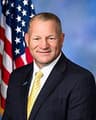 Troy Nehls
Republican · Texas
 Burgess Owens
Republican · Utah
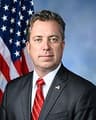 Andrew Ogles
Republican · Tennessee
 Chellie Pingree
Democrat · Maine
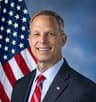 Scott Perry
Republican · Pennsylvania
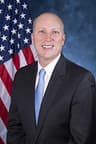 Chip Roy
Republican · Texas
 Michael Rulli
Republican · Ohio
 Maria Salazar
Republican · Florida
 Victoria Spartz
Republican · Indiana
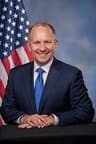 Lloyd Smucker
Republican · Pennsylvania
 Melanie Stansbury
Democrat · New Mexico
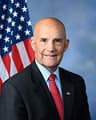 Keith Self
Republican · Texas
 Suhas Subramanyam
Democrat · Virginia
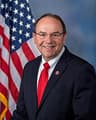 Thomas Tiffany
Republican · Wisconsin
 Jill Tokuda
Democrat · Hawaii
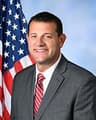 David Valadao
Republican · California
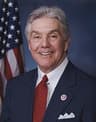 Roger Williams
Republican · Texas
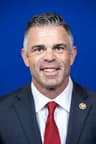 Tony Wied
Republican · Wisconsin