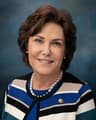
Jacky Rosen (D-NV)
A resolution recognizing the significance of Jewish American Heritage Month and calling on elected officials and civil society leaders to counter antisemitism.
A Democratic resolution with 15 Republican cosponsors · See all 27 cosponsors
Last activity — Submitted in the Senate, considered, and agreed to without amendment and with a preamble by Unanimous Consent. (consideration: CR S3108-3109; text: CR S3120)
Adopted
The chamber formally agreed to it, and for a resolution that is the finish line: what it says is now officially the chamber's position, rule or tribute.
Nothing more is needed. A resolution is how a chamber speaks for itself or sets its own rules, so adopting it is what puts it into effect. It is not a law, so there is nothing for the President to sign.
Its path through Congress
- Introduced
- Officially Recorded
- Adopted by the Senate unanimous consent
A Senate resolution is the Senate speaking for itself: stating a position, honouring someone, or setting its own rules. Adopting it is the whole process. Once the Senate agrees to it, it is officially the Senate's word; it is not a law, so the House and the President have no part in it.
The Senate by unanimous consent (no one objected, so there was no vote): no senator's position on it was recorded.
What this bill would do
This Senate resolution recognizes the importance of Jewish American Heritage Month. It highlights the long history and various contributions of the Jewish-American community to the United States. The resolution notes a significant rise in antisemitic incidents and hate crimes. It seeks to celebrate the culture and history of Jewish Americans. Finally, it calls on leaders to take action against antisemitism and ensure the safety of the Jewish community.
Who it would affect, and how
Potential Positive Impacts for People
-
Recognition of Heritage: The resolution recognizes Jewish American Heritage Month as a time to celebrate the contributions of Jewish Americans to United States society and culture (Resolution, Section 1).
-
Countering Antisemitism: It calls on elected officials, faith leaders, and civil society leaders to condemn and counter all acts of antisemitism (Resolution, Section 2).
-
Public Education: It calls on elected officials and State and local leaders to educate the public on the contributions of the Jewish-American community and uplift Jewish stories and voices (Resolution, Section 3).
-
Safety and Dignity: The resolution calls for taking all possible steps to ensure the safety, security, and dignity of American Jews in various settings, including the workplace, college and university campuses, synagogues, and homes (Resolution, Section 4).
Potential Negative Impacts for People
- No negative impacts are explicitly mentioned in the provided text.
Groups and Interests Ranking
Every group the model scored this bill for, from -10 to +10. Tap or hover a score for the reason it gave.
No significant interests or groups are affected by this bill.
- 5/22/2025
- Passed/agreed to in Senate: Submitted in the Senate, considered, and agreed to without amendment and with a preamble by Unanimous Consent.
- Submitted in the Senate, considered, and agreed to without amendment and with a preamble by Unanimous Consent. (consideration: CR S3108-3109; text: CR S3120)
- 27 Cosponsors added.
- Introduced in Senate
 Tammy Baldwin
Democrat · Wisconsin
 Katie Britt
Republican · Alabama
 Mike Crapo
Republican · Idaho
 Shelley Capito
Republican · West Virginia
 Bill Cassidy
Republican · Louisiana
 Kevin Cramer
Republican · North Dakota
 Tammy Duckworth
Democrat · Illinois
 John Fetterman
Democrat · Pennsylvania
 Lindsey Graham
Republican · South Carolina
 Chuck Grassley
Republican · Iowa
 Kirsten Gillibrand
Democrat · New York
 John Hickenlooper
Democrat · Colorado
 Bill Hagerty
Republican · Tennessee
 Josh Hawley
Republican · Missouri
 Mark Kelly
Democrat · Arizona
 Timothy Kaine
Democrat · Virginia
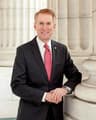 James Lankford
Republican · Oklahoma
 Patty Murray
Democrat · Washington
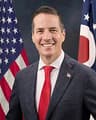 Bernie Moreno
Republican · Ohio
 Ashley Moody
Republican · Florida
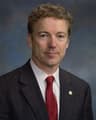 Rand Paul
Republican · Kentucky
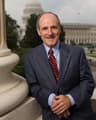 James Risch
Republican · Idaho
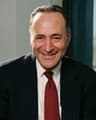 Charles Schumer
Democrat · New York
 Jeanne Shaheen
Democrat · New Hampshire
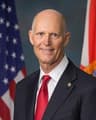 Rick Scott
Republican · Florida
 Ron Wyden
Democrat · Oregon
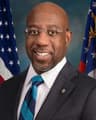 Raphael Warnock
Democrat · Georgia