
Bill Cassidy (R-LA)
A concurrent resolution expressing support for America's law enforcement professionals.
A Republican resolution with 3 Democratic cosponsors · See all 11 cosponsors
Last activity — Held at the desk.
Passed one chamber, waiting for the other to take it up
Passed one chamber, and the other has not yet sent it to a committee or put it on its calendar.
The other chamber will hand it to a committee, place it on its calendar, or leave it where it is. Nothing has been decided, and a bill can sit here indefinitely.
Its path through Congress
- Introduced
- Agreed to by the Senate unanimous consent
- Awaiting House
A concurrent resolution is how the Senate and the House settle something they do together, such as a budget plan or a joint session. It is adopted once both chambers agree to it, and that puts it into effect; it is not a law, so it does not go to the President.
The Senate by unanimous consent (no one objected, so there was no vote): no senator's position on it was recorded.
What this bill would do
This concurrent resolution expresses support for America's law enforcement professionals. It acknowledges the risks, dangers, and traumatic events that officers face in their careers. The resolution highlights high rates of officer assaults, deaths, and suicides. It also notes a decline in the number of full-time State and local officers. Finally, it calls for increased measures to ensure officer safety and provides a call to action for all levels of government to provide necessary resources.
Yes
- Scored +5
Does this make mental health care easier to get?
The resolution calls for increased mental health resources to support law enforcement professionals.
- Scored +5
Does this change how police departments operate?
The resolution supports increasing resources, training, and personnel for law enforcement.
The opposite
No question was scored the opposite.
Who it would affect, and how
Potential Positive Impacts for People
-
Increased safety and well-being for officers: The resolution calls for measures to maximize officer safety through improved training, equipment, and mental health resources (Section 3).
-
Increased community protection: By calling for more policing personnel and resources to keep the United States safe, the resolution aims to protect communities from criminal violence (Section 3 and Section 4).
-
Justice for victims of violence against officers: The resolution calls for tough penalties for those who assault or kill a law enforcement professional (Section 3).
-
Recognition of sacrifice: The resolution seeks to honor officers and their families who have experienced death or injury in the line of duty (Section 2).
Potential Negative Impacts for People
- No specific negative impacts or burdens are mentioned in the provided text.
Groups and Interests Ranking
Every group the model scored this bill for, from -10 to +10. Tap or hover a score for the reason it gave.
- Healthcare
- Does this make mental health care easier to get? — The resolution calls for increased mental health resources to support law enforcement professionals.
- Social Issues And Justice
- Does this change how police departments operate? — The resolution supports increasing resources, training, and personnel for law enforcement.
- 6/23/2025
- Message on Senate action sent to the House.
- Held at the desk.
- Received in the House.
- 6/18/2025
- Passed/agreed to in Senate: Submitted in the Senate, considered, and agreed to without amendment and with a preamble by Unanimous Consent.
- Submitted in the Senate, considered, and agreed to without amendment and with a preamble by Unanimous Consent. (consideration: CR S3478; text: CR S3477)
- 11 Cosponsors added.
- Introduced in Senate
2 bills Congress.gov lists as related to this one — companions in the other chamber, earlier versions, and bills this one absorbed or was folded into.
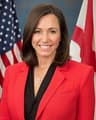 Katie Britt
Republican · Alabama
 John Fetterman
Democrat · Pennsylvania
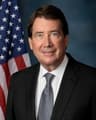 Bill Hagerty
Republican · Tennessee
 Maggie Hassan
Democrat · New Hampshire
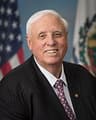 James Justice
Republican · West Virginia
 Ben Luján
Democrat · New Mexico
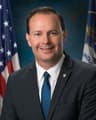 Mike Lee
Republican · Utah
 Markwayne Mullin
Republican · Oklahoma
 Bernie Moreno
Republican · Ohio
 Dan Sullivan
Republican · Alaska
 Tim Sheehy
Republican · Montana