
A Democratic bill with 41 Democratic cosponsors · See all 42 cosponsors
Last activity — Read twice and referred to the Committee on Health, Education, Labor, and Pensions.
In committee
Introduced and handed to a committee in the chamber it started in.
The committee holds it, and most bills are never heard from again. A hearing or a committee vote would be news; silence is the usual outcome, and it kills the bill without anyone voting against it.
Its path through Congress
- Introduced
- In Committee
What this bill would do
This bill is called the Safe Schools Improvement Act and it focuses on addressing and preventing student bullying and harassment in public schools. It requires states that receive certain grants to make local educational agencies set up specific anti-bullying policies. These policies must explicitly prohibit conduct that creates a hostile educational environment or limits a student's ability to participate in school programs. The bill mandates that schools collect and publicly report annual data on the incidence and frequency of these prohibited behaviors. Additionally, states must submit biennial reports to the Secretary of Education detailing this data and their support plans. Finally, the Secretary of Education must conduct independent evaluations and report findings biennially to the President and Congress.
Yes· 3 of 20
- Scored +10
Would students be better off under this?
Creates a safer school environment by prohibiting bullying and harassment.
- Scored +9
Would children be better off under this?
Directly protects elementary and secondary students from bullying and harassment.
- Scored +9
Would LGBTQ people be better off under this?
Explicitly prohibits harassment based on sexual orientation, gender identity, and sex characteristics.
The opposite
No question was scored the opposite.
Who it would affect, and how
Potential Positive Impacts for People
-
Clear Protections Against Specific Types of Bullying: Under Section 4702(b)(2), states must require local educational agencies to establish policies that explicitly prohibit bullying and harassment based on actual or perceived race, color, national origin, sex, disability, or religion, as well as characteristics of persons with whom a student associates. This is a positive step because it explicitly protects students from being singled out based on these specific categories.
-
Notice and Grievance Procedures for Families: Section 4702(b)(3) requires schools to provide annual notice to students, parents, and educational professionals describing the prohibited conduct, and to establish grievance procedures for registering complaints. This benefits individuals by ensuring they have clear instructions, designated officials to contact, and established timelines for resolving complaints.
-
Public Accountability Through Data Collection: Section 4702(b)(4) requires the collection and public reporting of accurate and complete annual data on the incidence and frequency of prohibited conduct at both the school and local agency levels, ensuring victims or responsible persons are not identifiable. This keeps officials accountable by making bullying data transparent to the public.
Potential Negative Impacts for People
- Potential Administrative Burdens: While the text does not explicitly detail negative outcomes, the requirements for local educational agencies and states to collect precise annual data, establish complex grievance procedures, and submit biennial reports under Sections 4702(b)(3), 4702(b)(4), and 4703 could place heavy administrative and logistical burdens on school staff and state officials.
Groups and Interests Ranking
Every group the model scored this bill for, from -10 to +10. Tap or hover a score for the reason it gave.
- Demographic And Interest Groups
- Would students be better off under this? — Creates a safer school environment by prohibiting bullying and harassment. Would children be better off under this? — Directly protects elementary and secondary students from bullying and harassment. Would LGBTQ people be better off under this? — Explicitly prohibits harassment based on sexual orientation, gender identity, and sex characteristics. Would people with disabilities be better off under this? — Explicitly prohibits bullying and harassment based on disability status. Would Black Americans be better off under this? — Protects students from harassment based on race and color. Would Asian Americans be better off under this? — Protects students from harassment based on race and national origin. Would Hispanic Americans be better off under this? — Protects students from harassment based on race and national origin. Would immigrants be better off under this? — Protects students from harassment based on national origin. Would Native Americans be better off under this? — Protects students from harassment based on race and national origin. Would women be better off under this? — Protects female students from harassment based on sex. Would people in their twenties and thirties be better off under this? — Benefits high school students and those transitioning from the K-12 system.
- Social Issues And Justice
- Does this expand the rights of people with disabilities? — Specifically prohibits bullying and harassment based on disability status. Does this narrow the gap between how men and women are treated? — Prohibits harassment based on sex, including gender identity. Does this expand the rights of LGBTQ people? — Specifically prohibits harassment based on sexual orientation, gender identity, and sex characteristics. Does this narrow racial gaps in how people are treated? — Prohibits bullying based on actual or perceived race, color, and national origin. Does this protect the freedom to practise a religion? — Prohibits harassment based on a student's actual or perceived religion.
- Governance And Ideology
- Does this make what the government does easier for the public to see? — Requires schools to publicly report the frequency of bullying and harassment incidents. Does this protect the right to fair treatment by the courts? — Mandates the establishment of formal grievance procedures for students and parents. Does this give the federal government more power? — Sets federal requirements for states receiving grants to implement specific anti-bullying policies.
- Healthcare
- Does this make mental health care easier to get? — Promotes trauma-informed interventions for students with psychological distress.
- 9/23/2026
- 1 Cosponsor added.
- 9/14/2026
- 1 Cosponsor added.
- 8/4/2026
- 1 Cosponsor added.
- 8/3/2026
- 1 Cosponsor added.
- 3/4/2026
- 1 Cosponsor added.
- 3/2/2026
- 1 Cosponsor added.
- 2/10/2026
- 2 Cosponsors added.
- 1/28/2026
- 1 Cosponsor added.
- 1/12/2026
- 2 Cosponsors added.
- 11/19/2025
- 1 Cosponsor added.
- 11/7/2025
- 1 Cosponsor added.
- 10/23/2025
- 1 Cosponsor added.
- 3/24/2025
- 1 Cosponsor added.
- 3/13/2025
- 1 Cosponsor added.
- 3/12/2025
- Read twice and referred to the Committee on Health, Education, Labor, and Pensions.
- 26 Cosponsors added.
- Introduced in Senate
One bill Congress.gov lists as related to this one — companions in the other chamber, earlier versions, and bills this one absorbed or was folded into.
 Angela Alsobrooks
Democrat · Maryland
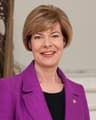 Tammy Baldwin
Democrat · Wisconsin
 Michael Bennet
Democrat · Colorado
 Richard Blumenthal
Democrat · Connecticut
 Cory Booker
Democrat · New Jersey
 Lisa Blunt Rochester
Democrat · Delaware
 Maria Cantwell
Democrat · Washington
 Christopher Coons
Democrat · Delaware
 Catherine Cortez Masto
Democrat · Nevada
 Richard Durbin
Democrat · Illinois
 Tammy Duckworth
Democrat · Illinois
 John Fetterman
Democrat · Pennsylvania
 Kirsten Gillibrand
Democrat · New York
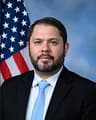 Ruben Gallego
Democrat · Arizona
 John Hickenlooper
Democrat · Colorado
 Mazie Hirono
Democrat · Hawaii
 Martin Heinrich
Democrat · New Mexico
 Maggie Hassan
Democrat · New Hampshire
 Amy Klobuchar
Democrat · Minnesota
 Mark Kelly
Democrat · Arizona
 Andy Kim
Democrat · New Jersey
 Ben Luján
Democrat · New Mexico
 Edward Markey
Democrat · Massachusetts
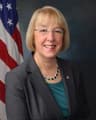 Patty Murray
Democrat · Washington
 Christopher Murphy
Democrat · Connecticut
 Jeff Merkley
Democrat · Oregon
 Alex Padilla
Democrat · California
 Gary Peters
Democrat · Michigan
 John Reed
Democrat · Rhode Island
 Jacky Rosen
Democrat · Nevada
 Bernie Sanders
Independent · Vermont
 Adam Schiff
Democrat · California
 Jeanne Shaheen
Democrat · New Hampshire
 Brian Schatz
Democrat · Hawaii
 Tina Smith
Democrat · Minnesota
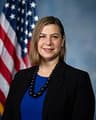 Elissa Slotkin
Democrat · Michigan
 Chris Van Hollen
Democrat · Maryland
 Ron Wyden
Democrat · Oregon
 Peter Welch
Democrat · Vermont
 Sheldon Whitehouse
Democrat · Rhode Island
 Mark Warner
Democrat · Virginia
 Elizabeth Warren
Democrat · Massachusetts