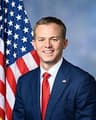
Blake Moore (R-UT)
Ensuring Patient Access to Critical Breakthrough Products Act
A Republican bill with 33 Democratic cosponsors · See all 68 cosponsors
Last activity — Ordered to be Reported in the Nature of a Substitute (Amended) by the Yeas and Nays: 37 - 3.
Introduced, nothing more yet
Formally proposed, and not yet handed to a committee.
Nearly every bill is sent to a committee within days. Introduction alone is not a sign of support, of momentum, or of any likelihood of passing — any member may introduce any bill.
Its path through Congress
- Introduced
What this bill would do
This bill, known as the "Ensuring Patient Access to Critical Breakthrough Products Act," aims to amend the Social Security Act to ensure Medicare covers breakthrough devices more promptly. It establishes a process where the Secretary can designate specific devices as "breakthrough devices" based on certain criteria, such as receiving priority review. Once designated, these devices would enter a "transitional coverage period" lasting four years. The bill also requires the Secretary to make final decisions on national coverage determinations before this transitional period ends. Finally, it provides specific annual funding to the Centers for Medicare & Medicaid Services to implement these changes.
Yes· 3 of 5
- Scored +7
Would people over 65 be better off under this?
The bill ensures quicker Medicare coverage for breakthrough medical devices for those entitled to benefits.
- Scored +7
Would retired people be better off under this?
The bill provides faster access to new medical technologies through the Medicare program.
- Scored +7
Does this make health care easier to get in general?
The bill creates a four-year transitional coverage period to ensure faster access to breakthrough medical devices for Medicare beneficiaries.
The opposite
- Scored -1
Does this reduce what the federal government spends?
The bill appropriates $10,000,000 annually for fiscal years 2025 through 2030 to implement these new Medicare coverage processes.
Who it would affect, and how
Potential Positive Impacts for People
-
Prompt Coverage of New Medical Technology: The bill creates a "transitional coverage period" of four years for designated breakthrough devices, which allows for coverage starting from the date of designation (Section 2(a)(1) and 2(a)(2)).
-
Access to Priority Review Devices: Medicare coverage would extend to devices that received priority review under the Federal Food, Drug, and Cosmetic Act (Section 2(a)(1)).
-
Streamlined Coverage Decisions: The Secretary is required to ensure a final decision on national coverage determination requests is made before the end of the transitional coverage period (Section 2(b)).
-
Guaranteed Funding for Implementation: The bill appropriates $10,000,000 for each of fiscal years 2025 through 2030 to carry out these amendments (Section 2(c)).
Potential Negative Impacts for People
-
Risk of Harm: The bill notes that coverage may be withheld if the Secretary finds that a device presents an "undue risk of harm that outweighs the potential clinical benefits" (Section 2(a)(1)).
-
Increased Oversight/Monitoring: The Secretary is authorized to review the medical necessity of devices furnished by providers who show "an aberrant billing pattern" or are considered "outliers" (Section 2(a)(3)(e)).
Groups and Interests Ranking
Every group the model scored this bill for, from -10 to +10. Tap or hover a score for the reason it gave.
- Demographic And Interest Groups
- Would retired people be better off under this? — The bill provides faster access to new medical technologies through the Medicare program. Would people over 65 be better off under this? — The bill ensures quicker Medicare coverage for breakthrough medical devices for those entitled to benefits. Would households on low incomes be better off under this? — The bill expands Medicare coverage which provides essential medical technology access to low-income beneficiaries.
- Healthcare
- Does this make health care easier to get in general? — The bill creates a four-year transitional coverage period to ensure faster access to breakthrough medical devices for Medicare beneficiaries. Does this put more money into Medicare, the health coverage for people over 65? — The bill provides $10,000,000 annually to CMS to ensure more prompt coverage for breakthrough devices under Medicare.
- Economy And Finance
- Does this reduce what the federal government spends? — The bill appropriates $10,000,000 annually for fiscal years 2025 through 2030 to implement these new Medicare coverage processes.
- 10/22/2026
- 3 Cosponsors added.
- 8/31/2026
- 1 Cosponsor added.
- 8/3/2026
- 2 Cosponsors added.
- 7/20/2026
- 2 Cosponsors added.
- 7/13/2026
- 4 Cosponsors added.
- 6/30/2026
- 3 Cosponsors added.
- 6/29/2026
- 2 Cosponsors added.
- 5/20/2026
- 2 Cosponsors added.
- 5/19/2026
- 2 Cosponsors added.
- 5/14/2026
- 2 Cosponsors added.
- 4/16/2026
- 2 Cosponsors added.
- 4/9/2026
- 4 Cosponsors added.
- 4/2/2026
- 2 Cosponsors added.
- 3/16/2026
- 2 Cosponsors added.
- 2/11/2026
- 4 Cosponsors added.
- 2/10/2026
- 2 Cosponsors added.
- 2/3/2026
- 6 Cosponsors added.
- 1/14/2026
- 2 Cosponsors added.
- 1/6/2026
- 1 Cosponsor added.
- 12/17/2025
- 1 Cosponsor added.
- 12/9/2025
- 2 Cosponsors added.
- 12/2/2025
- 2 Cosponsors added.
- 11/18/2025
- 2 Cosponsors added.
- 11/7/2025
- 2 Cosponsors added.
- 10/31/2025
- 2 Cosponsors added.
- 9/19/2025
- 1 Cosponsor added.
- 9/17/2025
- Committee Consideration and Mark-up Session Held
- Ordered to be Reported in the Nature of a Substitute (Amended) by the Yeas and Nays: 37 - 3.
- 1 Cosponsor added.
- 9/16/2025
- 2 Cosponsors added.
- 9/15/2025
- Referred to the Committee on Ways and Means, and in addition to the Committee on Energy and Commerce, for a period to be subsequently determined by the Speaker, in each case for consideration of such provisions as fall within the jurisdiction of the committee concerned.
- 5 Cosponsors added.
- Introduced in House
 Jake Auchincloss
Democrat · Massachusetts
 Cliff Bentz
Republican · Oregon
 Gus Bilirakis
Republican · Florida
 Ami Bera
Democrat · California
 Brendan Boyle
Democrat · Pennsylvania
 Nanette Barragán
Democrat · California
 Jack Bergman
Republican · Michigan
 Aaron Bean
Republican · Florida
 Steve Cohen
Democrat · Tennessee
 Earl Carter
Republican · Georgia
 J. Correa
Democrat · California
 Angie Craig
Democrat · Minnesota
 Jason Crow
Democrat · Colorado
 Mike Carey
Republican · Ohio
 Juan Ciscomani
Republican · Arizona
 Suzan DelBene
Democrat · Washington
 Neal Dunn
Republican · Florida
 Sharice Davids
Democrat · Kansas
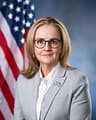 Madeleine Dean
Democrat · Pennsylvania
 Brian Fitzpatrick
Republican · Pennsylvania
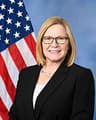 Michelle Fischbach
Republican · Minnesota
 Josh Gottheimer
Democrat · New Jersey
 Maggie Goodlander
Democrat · New Hampshire
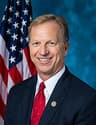 Kevin Hern
Republican · Oklahoma
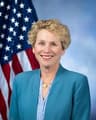 Chrissy Houlahan
Democrat · Pennsylvania
 John Joyce
Republican · Pennsylvania
 Mike Kelly
Republican · Pennsylvania
 David Kustoff
Republican · Tennessee
 Young Kim
Republican · California
 Thomas Kean
Republican · New Jersey
 Jennifer Kiggans
Republican · Virginia
 Mike Kennedy
Republican · Utah
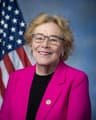 Zoe Lofgren
Democrat · California
 Ted Lieu
Democrat · California
 Michael Lawler
Republican · New York
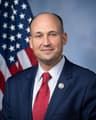 Nicholas Langworthy
Republican · New York
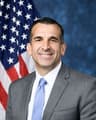 Sam Liccardo
Democrat · California
 Nicole Malliotakis
Republican · New York
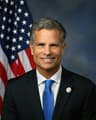 Daniel Meuser
Republican · Pennsylvania
 Carol Miller
Republican · West Virginia
 Gregory Murphy
Republican · North Carolina
 Frank Mrvan
Democrat · Indiana
 Richard McCormick
Republican · Georgia
 Kevin Mullin
Democrat · California
 Celeste Maloy
Republican · Utah
 Jay Obernolte
Republican · California
 Burgess Owens
Republican · Utah
 Scott Peters
Democrat · California
 Jimmy Panetta
Democrat · California
 Chris Pappas
Democrat · New Hampshire
 Brittany Pettersen
Democrat · Colorado
 Deborah Ross
Democrat · North Carolina
 John Rutherford
Republican · Florida
 Maria Salazar
Republican · Florida
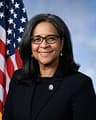 Marilyn Strickland
Democrat · Washington
 Adrian Smith
Republican · Nebraska
 Terri Sewell
Democrat · Alabama
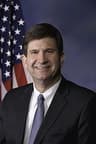 Bradley Schneider
Democrat · Illinois
 Darren Soto
Democrat · Florida
 Mary Gay Scanlon
Democrat · Pennsylvania
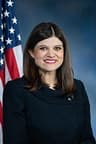 Haley Stevens
Democrat · Michigan
 Claudia Tenney
Republican · New York
 Lori Trahan
Democrat · Massachusetts
 Shri Thanedar
Democrat · Michigan
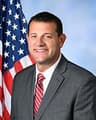 David Valadao
Republican · California
 Randy Weber
Republican · Texas
 George Whitesides
Democrat · California
 Rudy Yakym
Republican · Indiana