
A Republican bill with 31 Democratic cosponsors · See all 71 cosponsors
Last activity — Referred to the Committee on Energy and Commerce, and in addition to the Committees on Education and Workforce, and Ways and Means, for a period to be subsequently determined by the Speaker, in each case for consideration of such provisions as fall within the jurisdiction of the committee concerned.
In committee
Introduced and handed to a committee in the chamber it started in.
The committee holds it, and most bills are never heard from again. A hearing or a committee vote would be news; silence is the usual outcome, and it kills the bill without anyone voting against it.
Its path through Congress
- Introduced
- In Committee
What this bill would do
This bill is known as the Pharmacy Benefit Manager Reform Act of 2025. It targets pharmacy benefit managers and aims to increase transparency, accountability, and fair access within Medicare and Medicaid prescription drug programs. The legislation mandates that prescription drug plans allow any willing pharmacy meeting standard contract terms to join their networks. It establishes strict rules limiting the types of income pharmacy benefit managers can receive to flat, fair-market bona fide service fees. The bill also requires extensive reporting on drug costs, pricing guarantees, and supply chain compensation by pharmacy benefit managers to plan sponsors and federal authorities. Finally, it bans abusive spread pricing models in Medicaid and enhances enforcement through civil monetary penalties for non-compliance.
Yes· 3 of 15
- Scored +7
Does this lower the price of prescription medicines?
The bill implements significant transparency and oversight measures aimed at lowering drug costs through better pricing models.
- Scored +7
Does this make what the government does easier for the public to see?
The bill mandates extensive reporting and publication of data to increase transparency in the drug pricing supply chain.
- Scored +6
Would people over 65 be better off under this?
The bill directly benefits Medicare beneficiaries by improving pharmacy access and drug price transparency.
The opposite
- Scored -5
Would billionaires be better off under this?
Pharmacy benefit managers face stricter regulations and potential loss of certain revenue streams.
Who it would affect, and how
Potential Positive Impacts for People
-
Section 2(a) requires prescription drug plan sponsors to permit any willing pharmacy to participate in their network as long as the pharmacy meets standard, reasonable, and relevant contract terms. This gives everyday people more choices and easier access to local pharmacies they trust.
-
Section 3(a) restricts pharmacy benefit managers from collecting income other than flat, fair-market bona fide service fees and requires them to fully pass through manufacturer rebates and discounts to plan sponsors. This transparency and restriction on hidden profits can help lower overall drug spending and relieve financial pressure on everyday individuals.
-
Section 3(a) also requires pharmacy benefit managers to submit detailed annual reports regarding drug utilization, pricing, and costs, which are subject to audits by plan sponsors. Holding these middlemen accountable helps ensure that elected officials and program administrators are keeping costs transparent for the public.
-
Section 4 and Section 6 add oversight and reporting requirements for group health plans and Medicaid programs, and ban spread pricing in Medicaid. Preventing spread pricing stops middlemen from taking hidden cuts between what plans pay and what pharmacies receive, ensuring taxpayer and beneficiary dollars are spent fairly on actual medical care.
Potential Negative Impacts for People
-
Section 2(f) and Section 3(a) appropriate hundreds of millions of dollars in new government funds—including $188,000,000 for CMS program management, $113,000,000 for subsection implementation, and $20,000,000 for the Inspector General—to carry out these new federal mandates. Taxpayers ultimately bear the burden of funding these administrative costs and government oversight expansions.
-
Section 2(c) and Section 5(a) establish heavy civil monetary penalties up to $100,000 for pharmacies or plan sponsors that fail to comply with survey reporting or contract standards. While designed to enforce rules, aggressive penalties or compliance burdens could potentially strain smaller, independent operations or limit the resources available for patient care.
Groups and Interests Ranking
Every group the model scored this bill for, from -10 to +10. Tap or hover a score for the reason it gave.
- Demographic And Interest Groups
- Would retired people be better off under this? — Medicare beneficiaries, often retirees, benefit from increased pharmacy choice and transparency. Would people in rural areas be better off under this? — The bill provides specific protections and monitoring for essential retail pharmacies in rural areas. Would people over 65 be better off under this? — The bill directly benefits Medicare beneficiaries by improving pharmacy access and drug price transparency. Would households on low incomes be better off under this? — Improved drug price transparency and Medicaid protections can assist low-income households. Would business owners be better off under this? — Retail pharmacy owners benefit from more transparent and reasonable contract standards. Would middle-income households be better off under this? — Reduced drug costs through enhanced oversight can alleviate costs for middle-class families. Would billionaires be better off under this? — Pharmacy benefit managers face stricter regulations and potential loss of certain revenue streams.
- Healthcare
- Does this lower the price of prescription medicines? — The bill implements significant transparency and oversight measures aimed at lowering drug costs through better pricing models. Does this make health care easier to get in general? — The bill aims to ensure pharmacy access and choice for Medicare beneficiaries. Does this lower what people pay for private health insurance? — Increased transparency in pharmacy benefit management can lead to more competitive pricing and lower premiums. Does this put more money into Medicaid, the health coverage for people on low incomes? — The bill mandates transparent pricing and oversight in Medicaid to ensure more accurate and fair payments.
- Governance And Ideology
- Does this make what the government does easier for the public to see? — The bill mandates extensive reporting and publication of data to increase transparency in the drug pricing supply chain. Does this give the federal government more power? — The bill expands federal oversight and enforcement powers regarding pharmacy benefit managers.
- Economy And Finance
- Does this give people more protection from unfair business practices? — The bill increases transparency and oversight of pharmacy benefit managers to protect consumer interests. Does this make it easier to run a small business? — The bill supports essential retail pharmacies by establishing standards for reasonable and relevant contract terms.
- Environment Energy And Infrastructure
- Does this invest in rural communities? — The bill specifically protects essential retail pharmacies in rural areas.
- 9/28/2026
- 1 Cosponsor added.
- 4/16/2026
- 1 Cosponsor added.
- 1/21/2026
- 1 Cosponsor added.
- 1/20/2026
- 1 Cosponsor added.
- 1/12/2026
- 1 Cosponsor added.
- 1/8/2026
- 1 Cosponsor added.
- 12/19/2025
- 1 Cosponsor added.
- 12/16/2025
- 3 Cosponsors added.
- 12/9/2025
- 4 Cosponsors added.
- 12/3/2025
- 1 Cosponsor added.
- 12/1/2025
- 1 Cosponsor added.
- 11/28/2025
- 1 Cosponsor added.
- 11/21/2025
- 1 Cosponsor added.
- 11/20/2025
- 1 Cosponsor added.
- 11/17/2025
- 2 Cosponsors added.
- 11/12/2025
- 3 Cosponsors added.
- 11/7/2025
- 1 Cosponsor added.
- 11/4/2025
- 1 Cosponsor added.
- 10/31/2025
- 2 Cosponsors added.
- 10/28/2025
- 1 Cosponsor added.
- 10/24/2025
- 1 Cosponsor added.
- 10/21/2025
- 2 Cosponsors added.
- 10/17/2025
- 1 Cosponsor added.
- 10/10/2025
- 1 Cosponsor added.
- 10/8/2025
- 1 Cosponsor added.
- 10/3/2025
- 2 Cosponsors added.
- 9/30/2025
- 2 Cosponsors added.
- 9/18/2025
- 1 Cosponsor added.
- 9/9/2025
- 1 Cosponsor added.
- 9/8/2025
- 3 Cosponsors added.
- 9/3/2025
- 1 Cosponsor added.
- 9/2/2025
- 2 Cosponsors added.
- 8/26/2025
- 1 Cosponsor added.
- 8/15/2025
- 1 Cosponsor added.
- 8/12/2025
- 1 Cosponsor added.
- 7/29/2025
- 1 Cosponsor added.
- 7/25/2025
- 3 Cosponsors added.
- 7/21/2025
- 2 Cosponsors added.
- 7/16/2025
- 2 Cosponsors added.
- 7/15/2025
- 1 Cosponsor added.
- 7/14/2025
- 1 Cosponsor added.
- 7/10/2025
- Referred to the Committee on Energy and Commerce, and in addition to the Committees on Education and Workforce, and Ways and Means, for a period to be subsequently determined by the Speaker, in each case for consideration of such provisions as fall within the jurisdiction of the committee concerned.
- 11 Cosponsors added.
- Introduced in House
4 bills Congress.gov lists as related to this one — companions in the other chamber, earlier versions, and bills this one absorbed or was folded into.
 Jake Auchincloss
Democrat · Massachusetts
 Rick Allen
Republican · Georgia
 Jodey Arrington
Republican · Texas
 Sanford Bishop
Democrat · Georgia
 Cliff Bentz
Republican · Oregon
 Brian Babin
Republican · Texas
 Nikki Budzinski
Democrat · Illinois
 Tom Barrett
Republican · Michigan
 Sheri Biggs
Republican · South Carolina
 Robert Bresnahan
Republican · Pennsylvania
 Ken Calvert
Republican · California
 Kat Cammack
Republican · Florida
 Yvette Clarke
Democrat · New York
 James Comer
Republican · Kentucky
 J. Correa
Democrat · California
 Michael Cloud
Republican · Texas
 Angie Craig
Democrat · Minnesota
 Donald Davis
Democrat · North Carolina
 Debbie Dingell
Democrat · Michigan
 Neal Dunn
Republican · Florida
 Sharice Davids
Democrat · Kansas
 Charles Fleischmann
Republican · Tennessee
 Brian Fitzpatrick
Republican · Pennsylvania
 Scott Franklin
Republican · Florida
 Mike Flood
Republican · Nebraska
 Vicente Gonzalez
Democrat · Texas
 Marie Perez
Democrat · Washington
 Craig Goldman
Republican · Texas
 Maggie Goodlander
Democrat · New Hampshire
 Andy Harris
Republican · Maryland
 Chrissy Houlahan
Democrat · Pennsylvania
 Diana Harshbarger
Republican · Tennessee
 Josh Harder
Democrat · California
 John Joyce
Republican · Pennsylvania
 Julie Johnson
Democrat · Texas
 Ro Khanna
Democrat · California
 Raja Krishnamoorthi
Democrat · Illinois
 Jennifer Kiggans
Republican · Virginia
 Michael Lawler
Republican · New York
 Nicholas Langworthy
Republican · New York
 Greg Landsman
Democrat · Ohio
 Nicole Malliotakis
Republican · New York
 Kweisi Mfume
Democrat · Maryland
 Tracey Mann
Republican · Kansas
 Gregory Murphy
Republican · North Carolina
 Mariannette Miller-Meeks
Republican · Iowa
 Richard McCormick
Republican · Georgia
 Robert Menendez
Democrat · New Jersey
 Ryan Mackenzie
Republican · Pennsylvania
 Mark Messmer
Republican · Indiana
 Tim Moore
Republican · North Carolina
 Sarah McBride
Democrat · Delaware
 Ralph Norman
Republican · South Carolina
 Burgess Owens
Republican · Utah
 Johnny Olszewski
Democrat · Maryland
 Scott Peters
Democrat · California
 Deborah Ross
Democrat · North Carolina
 Harold Rogers
Republican · Kentucky
 John Rose
Republican · Tennessee
 Pete Sessions
Republican · Texas
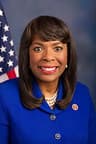 Terri Sewell
Democrat · Alabama
 Hillary Scholten
Democrat · Michigan
 Suhas Subramanyam
Democrat · Virginia
 Rashida Tlaib
Democrat · Michigan
 Jill Tokuda
Democrat · Hawaii
 Derek Tran
Democrat · California
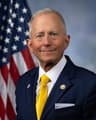 Jefferson Van Drew
Republican · New Jersey
 Derrick Van Orden
Republican · Wisconsin
 Gabe Vasquez
Democrat · New Mexico
 Joe Wilson
Republican · South Carolina
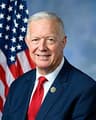 Randy Weber
Republican · Texas