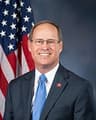
Gregory Murphy (R-NC)
Protecting Patient Access to Cancer and Complex Therapies Act
A Republican bill with 17 Democratic cosponsors · See all 58 cosponsors
Last activity — Referred to the Committee on Energy and Commerce, and in addition to the Committee on Ways and Means, for a period to be subsequently determined by the Speaker, in each case for consideration of such provisions as fall within the jurisdiction of the committee concerned.
In committee
Introduced and handed to a committee in the chamber it started in.
The committee holds it, and most bills are never heard from again. A hearing or a committee vote would be news; silence is the usual outcome, and it kills the bill without anyone voting against it.
Its path through Congress
- Introduced
- In Committee
What this bill would do
- This bill is titled the Protecting Patient Access to Cancer and Complex Therapies Act.
- It amends title XVIII of the Social Security Act.
- The legislation requires manufacturers to provide a rebate for selected drugs and biological products that are subject to maximum fair price negotiation.
- It outlines the specific calculations for these manufacturer rebates and beneficiary coinsurance amounts.
- The bill directs rebate deposits into the Federal Supplementary Medical Insurance Trust Fund.
- It also establishes penalties for failing to comply with the rebate requirements.
Yes· 3 of 13
- Scored +7
Would people over 65 be better off under this?
Directly reduces out-of-pocket drug costs for Medicare beneficiaries, who are predominantly seniors.
- Scored +7
Would retired people be better off under this?
Lowers medical costs for retirees on Medicare Part B.
- Scored +6
Would households on low incomes be better off under this?
Reduces the financial burden of expensive cancer and complex therapies.
The opposite
- Scored -4
Would business owners be better off under this?
Increases financial burden on drug manufacturers through mandatory rebates.
Who it would affect, and how
Potential Positive Impacts for People
- Section 2(b)(1) introduces a requirement for manufacturers to pay a rebate for selected drugs and biological products subject to maximum fair price negotiation. This could be viewed as positive because it ensures that financial adjustments are made regarding the costs of these specific medications.
- Section 2(b)(1) states that rebate amounts paid by manufacturers will be deposited into the Federal Supplementary Medical Insurance Trust Fund. This is a positive outcome as it directs funds back into the trust fund established under section 1841.
- Section 2(b)(2) calculates beneficiary coinsurance based on the MFP+6 amount for selected drugs. This could benefit individuals by tying their coinsurance amounts directly to the maximum fair price calculation framework.
Potential Negative Impacts for People
- Section 2(b)(1) imposes new administrative and financial requirements on manufacturers to provide rebates within 30 days of receiving information from the Secretary. This could potentially be viewed as a heavy burden on drug manufacturers.
- Section 2(b)(4) applies a civil money penalty for the failure to comply with these rebate requirements, using the penalties established under subsection (i)(7). This acts as a strict punitive measure for non-compliance.
Groups and Interests Ranking
Every group the model scored this bill for, from -10 to +10. Tap or hover a score for the reason it gave.
- Demographic And Interest Groups
- Would retired people be better off under this? — Lowers medical costs for retirees on Medicare Part B. Would people over 65 be better off under this? — Directly reduces out-of-pocket drug costs for Medicare beneficiaries, who are predominantly seniors. Would households on low incomes be better off under this? — Reduces the financial burden of expensive cancer and complex therapies. Would people with disabilities be better off under this? — Reduces drug costs for disabled individuals eligible for Medicare. Would middle-income households be better off under this? — Decreases healthcare costs for those utilizing selected Medicare drugs. Would business owners be better off under this? — Increases financial burden on drug manufacturers through mandatory rebates.
- Healthcare
- Does this lower the price of prescription medicines? — Lowers the beneficiary's coinsurance amount by basing it on the Maximum Fair Price instead of the Average Sales Price. Does this put more money into Medicare, the health coverage for people over 65? — Mandates rebates from drug manufacturers to be deposited into the Federal Supplementary Medical Insurance Trust Fund. Does this make health care easier to get in general? — Lowers financial barriers for patients accessing cancer and complex therapies.
- Economy And Finance
- Does this give people more protection from unfair business practices? — Reduces out-of-pocket coinsurance costs for beneficiaries for selected complex therapies. Does this make the government pay for what it commits to? — Increases the solvency of the Medicare trust fund through mandatory manufacturer rebates. Does this reduce what the federal government owes? — Rebates are deposited into the Federal Supplementary Medical Insurance Trust Fund, potentially reducing the need for general fund subsidies.
- Governance And Ideology
- Does this give the federal government more power? — Expands federal authority to mandate rebates from pharmaceutical manufacturers.
- Social Issues And Justice
- Is this likely to lift people out of poverty? — Reduces healthcare spending for low-income seniors and disabled individuals on Medicare.
- 11/10/2026
- 1 Cosponsor added.
- 10/29/2026
- 2 Cosponsors added.
- 10/9/2026
- 3 Cosponsors added.
- 10/5/2026
- 3 Cosponsors added.
- 9/24/2026
- 3 Cosponsors added.
- 9/14/2026
- 1 Cosponsor added.
- 9/10/2026
- 3 Cosponsors added.
- 8/20/2026
- 2 Cosponsors added.
- 7/30/2026
- 1 Cosponsor added.
- 7/22/2026
- 2 Cosponsors added.
- 7/21/2026
- 1 Cosponsor added.
- 7/14/2026
- 1 Cosponsor added.
- 6/25/2026
- 1 Cosponsor added.
- 6/23/2026
- 1 Cosponsor added.
- 6/18/2026
- 1 Cosponsor added.
- 6/10/2026
- 1 Cosponsor added.
- 5/21/2026
- 1 Cosponsor added.
- 4/29/2026
- 1 Cosponsor added.
- 4/27/2026
- 3 Cosponsors added.
- 4/22/2026
- 1 Cosponsor added.
- 4/16/2026
- 1 Cosponsor added.
- 4/9/2026
- 4 Cosponsors added.
- 4/2/2026
- 1 Cosponsor added.
- 2/4/2026
- 1 Cosponsor added.
- 2/2/2026
- 3 Cosponsors added.
- 1/12/2026
- 1 Cosponsor added.
- 1/8/2026
- 1 Cosponsor added.
- 12/16/2025
- 1 Cosponsor added.
- 11/12/2025
- 1 Cosponsor added.
- 10/31/2025
- 1 Cosponsor added.
- 10/28/2025
- 3 Cosponsors added.
- 10/24/2025
- 2 Cosponsors added.
- 10/8/2025
- 1 Cosponsor added.
- 9/4/2025
- 1 Cosponsor added.
- 7/29/2025
- 1 Cosponsor added.
- 7/7/2025
- Referred to the Committee on Energy and Commerce, and in addition to the Committee on Ways and Means, for a period to be subsequently determined by the Speaker, in each case for consideration of such provisions as fall within the jurisdiction of the committee concerned.
- 2 Cosponsors added.
- Introduced in House
One bill Congress.gov lists as related to this one — companions in the other chamber, earlier versions, and bills this one absorbed or was folded into.
 Mark Alford
Republican · Missouri
 Sanford Bishop
Democrat · Georgia
 Gus Bilirakis
Republican · Florida
 Brian Babin
Republican · Texas
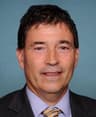 Troy Balderson
Republican · Ohio
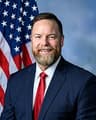 Aaron Bean
Republican · Florida
 Janelle Bynum
Democrat · Oregon
 Henry Cuellar
Democrat · Texas
 Earl Carter
Republican · Georgia
 Dan Crenshaw
Republican · Texas
 Mike Carey
Republican · Ohio
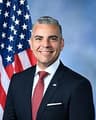 Juan Ciscomani
Republican · Arizona
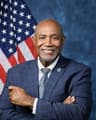 Herbert Conaway
Democrat · New Jersey
 Donald Davis
Democrat · North Carolina
 Neal Dunn
Republican · Florida
 Sharice Davids
Democrat · Kansas
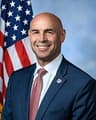 Jake Ellzey
Republican · Texas
 Brian Fitzpatrick
Republican · Pennsylvania
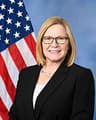 Michelle Fischbach
Republican · Minnesota
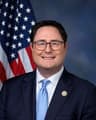 Mike Flood
Republican · Nebraska
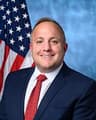 Russell Fry
Republican · South Carolina
 Vicente Gonzalez
Democrat · Texas
 Josh Gottheimer
Democrat · New Jersey
 Lance Gooden
Republican · Texas
 Andrew Garbarino
Republican · New York
 Adam Gray
Democrat · California
 Adelita Grijalva
Democrat · Arizona
 Andy Harris
Republican · Maryland
 Kevin Hern
Republican · Oklahoma
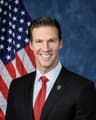 Pat Harrigan
Republican · North Carolina
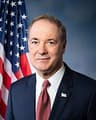 John Joyce
Republican · Pennsylvania
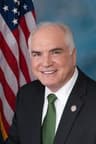 Mike Kelly
Republican · Pennsylvania
 David Kustoff
Republican · Tennessee
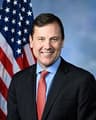 Thomas Kean
Republican · New Jersey
 Mike Kennedy
Republican · Utah
 Zoe Lofgren
Democrat · California
 Darin LaHood
Republican · Illinois
 Nicholas Langworthy
Republican · New York
 Nicole Malliotakis
Republican · New York
 Carol Miller
Republican · West Virginia
 Blake Moore
Republican · Utah
 Mariannette Miller-Meeks
Republican · Iowa
 Jared Moskowitz
Democrat · Florida
 Richard McCormick
Republican · Georgia
 Max Miller
Republican · Ohio
 Nathaniel Moran
Republican · Texas
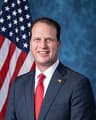 August Pfluger
Republican · Texas
 Scott Peters
Democrat · California
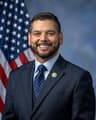 Raul Ruiz
Democrat · California
 Adrian Smith
Republican · Nebraska
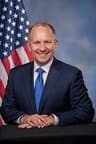 Lloyd Smucker
Republican · Pennsylvania
 Thomas Suozzi
Democrat · New York
 Eric Sorensen
Democrat · Illinois
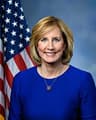 Claudia Tenney
Republican · New York
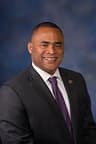 Marc Veasey
Democrat · Texas
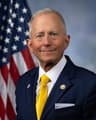 Jefferson Van Drew
Republican · New Jersey
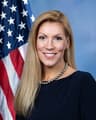 Beth Van Duyne
Republican · Texas
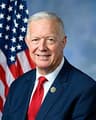 Randy Weber
Republican · Texas