
A Democratic bill with 17 Democratic cosponsors · See all 17 cosponsors
Last activity — Referred to the Committee on Education and Workforce, and in addition to the Committees on the Judiciary, Energy and Commerce, Ways and Means, Oversight and Government Reform, Science, Space, and Technology, Armed Services, and Agriculture, for a period to be subsequently determined by the Speaker, in each case for consideration of such provisions as fall within the jurisdiction of the committee concerned.
In committee
Introduced and handed to a committee in the chamber it started in.
The committee holds it, and most bills are never heard from again. A hearing or a committee vote would be news; silence is the usual outcome, and it kills the bill without anyone voting against it.
Its path through Congress
- Introduced
- In Committee
What this bill would do
This bill, titled the Transforming Education for the Future Act, amends the Elementary and Secondary Education Act of 1965 to increase support for elementary and secondary education. It aims to improve student well-being, expand access to the arts, establish universal preschool and free school meals, and support student civil rights. The legislation boosts federal funding for special education, community schools, teacher salaries, and various educational programs. Additionally, the bill addresses school climate and safety by prohibiting corporal punishment, restraint, and seclusion in schools receiving federal funds. It also mandates programs to prevent synthetic opioid misuse and addresses bullying and harassment.
Yes· 3 of 37
- Scored +10
Would children be better off under this?
The legislation directly benefits children by improving school safety, eliminating corporal punishment, providing free meals, and enhancing educational quality.
- Scored +10
Would households on low incomes be better off under this?
Low-income households benefit significantly from universal free school meals, universal preschool, and targeted Title I funding increases.
- Scored +10
Would people with disabilities be better off under this?
The bill fully funds IDEA, bans dangerous restraint and seclusion practices, and dramatically improves resources for students with disabilities.
The opposite
- Scored -7
Does this make it easier to use public money at a school other than the local one?
The bill repeals the DC opportunity scholarship program and restricts funding and contracting options for certain charter schools.
- Scored -2
Does this make the government pay for what it commits to?
The legislation mandates substantial new federal spending and grant programs without immediate offsets, negatively impacting short-term fiscal responsibility.
Who it would affect, and how
Potential Positive Impacts for People
-
Increased Funding for Students with Disabilities: Section 10001 increases authorizations of appropriations for the Individuals with Disabilities Education Act, scaling up to 40 percent by fiscal year 2033, which provides more resources for educating children with disabilities.
-
Expanded Arts Education: Section 10122 and subsequent sections integrate arts education into curricula, support arts programs for neglected or delinquent youth, and fund professional development for arts teachers, which enhances well-rounded educational opportunities for students.
-
Higher Teacher Salaries: Section 22201 establishes grants to support state efforts to ensure full-time teachers at qualifying schools earn an annual base salary of at least $60,000, adjusted for inflation, helping to recruit and retain educators.
-
Prohibition of Corporal Punishment: Section 23221 prohibits program personnel, law enforcement officers, and school security guards from subjecting students to corporal punishment in any program receiving federal financial assistance, protecting student physical safety.
-
Universal Free School Meals: Section 30312 and Section 30314 establish universal free breakfast and lunch programs for children enrolled in participating schools and prohibit the collection of debt for unpaid meal charges, ensuring students have access to food without financial burden.
-
Universal Preschool: Section 30201 establishes funding to provide universal, high-quality, free, inclusive, and mixed-delivery preschool services for children aged 3 or 4, expanding early childhood education access.
-
Potential Negative Impacts for People
-
Administrative and Compliance Burdens: The bill introduces numerous new reporting requirements, data collection mandates, and planning obligations for state and local educational agencies (such as those in Section 10123, Section 10171, and Section 23322), which could strain administrative resources and divert staff attention from direct student instruction.
- Potential Disruption from Charter School Restrictions: Section 30121 prohibits charter schools from contracting with for-profit entities to operate, oversee, manage, or carry out administration, which may limit the operational models available to certain charter schools and create administrative transitions.
Groups and Interests Ranking
Every group the model scored this bill for, from -10 to +10. Tap or hover a score for the reason it gave.
- Demographic And Interest Groups
- Would children be better off under this? — The legislation directly benefits children by improving school safety, eliminating corporal punishment, providing free meals, and enhancing educational quality. Would households on low incomes be better off under this? — Low-income households benefit significantly from universal free school meals, universal preschool, and targeted Title I funding increases. Would people with disabilities be better off under this? — The bill fully funds IDEA, bans dangerous restraint and seclusion practices, and dramatically improves resources for students with disabilities. Would students be better off under this? — Students experience direct positive impacts from well-rounded curricula, arts education, universal meals, and prohibitions on physical punishment. Would Black Americans be better off under this? — The bill mandates the inclusion of Black history in curricula and addresses systemic achievement and funding disparities affecting minority students. Would Asian Americans be better off under this? — The bill incorporates Asian American, Native Hawaiian, and Pacific Islander history into academic curricula. Would Hispanic Americans be better off under this? — The legislation integrates Hispanic and Latino history into educational standards and supports English learners and dual language programs. Would Native Americans be better off under this? — The legislation includes American Indian history in curricula and provides specialized tribal school grant programs and resources. Would LGBTQ people be better off under this? — The legislation expands anti-bullying protections based on sexual orientation and gender identity and supports inclusive school environments. Would middle-income households be better off under this? — Middle-class families benefit from universal school meals and enhanced educational resources in public schools. Would union members be better off under this? — The bill respects collective bargaining agreements and supports educator and staff unions through increased school staffing and higher salary mandates. Would people in their twenties and thirties be better off under this? — Young adults benefit through enhanced teacher preparation programs, salary minimums, and expanded early childhood education access. Would immigrants be better off under this? — The bill supports immigrant families and English learners through targeted language instruction, legal service resources, and inclusive programming. Would people in rural areas be better off under this? — Rural schools and communities receive targeted priority status for grants, teacher salary assistance, and resource distribution. Would people in cities be better off under this? — Urban school districts benefit from targeted high-poverty funding increases and violence prevention programs. Would women be better off under this? — The bill supports women by strengthening Title IX enforcement and providing robust child care and preschool access for working mothers. Would people in middle age be better off under this? — Middle-aged parents and educators benefit from increased school funding, higher salaries, and better mental health support systems.
- Social Issues And Justice
- Does this make child care cost less? — The bill establishes universal high-quality preschool and expands child care programs to support working families. Does this expand the rights of people with disabilities? — The legislation fully funds IDEA, prohibits physical restraint and seclusion of students with disabilities, and expands specialized educational resources. Is this likely to lift people out of poverty? — The legislation implements universal free school meals and comprehensive support programs that alleviate financial burdens on low-income families. Does this narrow racial gaps in how people are treated? — The legislation mandates the inclusion of diverse histories, such as Black, Asian American, Pacific Islander, Hispanic, and Native American history, and addresses achievement gaps. Does this expand the rights of LGBTQ people? — The bill explicitly prohibits bullying and discrimination based on sexual orientation and gender identity, expanding protections for LGBTQ+ students. Does this narrow the gap between how men and women are treated? — The bill reinforces Title IX protections and emphasizes equal treatment and access for female students and staff. Does this change how police departments operate? — The bill regulates the conduct and training of law enforcement officers and security guards within school environments. Does this put more limits on buying or owning guns? — The legislation establishes comprehensive school-based violence and gun prevention programs targeted at high-risk youth.
- Healthcare
- Does this make mental health care easier to get? — The bill establishes extensive grant programs and resources to expand access to school-based mental health services and professional support. Does this do more about addiction and overdose deaths? — The legislation creates targeted pilot programs, interagency task forces, and requirements for naloxone availability to address synthetic opioid misuse and overdoses among youth. Does this make health care easier to get in general? — The legislation integrates health and wellness services, including physical, dental, and mental health care, into full-service community schools and school-based health centers. Does this put more money into medical research? — The bill provides increased funding for research initiatives related to education, student well-being, and specialized developmental programs.
- Governance And Ideology
- Does this protect the right to fair treatment by the courts? — The bill establishes formal grievance procedures, parent notifications, and civil rights enforcement mechanisms for disciplinary actions. Does this make what the government does easier for the public to see? — The legislation institutes detailed reporting requirements, public data collection, and open meeting rules for school leadership teams. Does this protect people from being watched or searched? — The bill strengthens privacy protections concerning student data collection and monitoring practices. Does this give the federal government more power? — The bill imposes new federal mandates, reporting requirements, and standardized restrictions on state and local educational agencies.
- Education And Technology
- Does this put more money into public schools? — The bill drastically increases federal funding authorizations for Title I, IDEA, teacher salaries, and comprehensive public school programs. Does this put more money into scientific research? — The legislation establishes the National Center for Advanced Development in Education and expands educational research and development funding. Does this give people more control over their personal data? — The bill implements stringent student data privacy safeguards and establishes a National Education Technology Clearinghouse to monitor vendor practices. Does this make it easier to use public money at a school other than the local one? — The bill repeals the DC opportunity scholarship program and restricts funding and contracting options for certain charter schools.
- Environment Energy And Infrastructure
- Does this invest in rural communities? — The bill prioritizes high-need rural schools and communities for specialized grants, teacher incentives, and educational resource expansions.
- Economy And Finance
- Does this make the government pay for what it commits to? — The legislation mandates substantial new federal spending and grant programs without immediate offsets, negatively impacting short-term fiscal responsibility.
- 10/26/2026
- 1 Cosponsor added.
- 9/28/2026
- 1 Cosponsor added.
- 9/21/2026
- 2 Cosponsors added.
- 9/16/2026
- Referred to the Committee on Education and Workforce, and in addition to the Committees on the Judiciary, Energy and Commerce, Ways and Means, Oversight and Government Reform, Science, Space, and Technology, Armed Services, and Agriculture, for a period to be subsequently determined by the Speaker, in each case for consideration of such provisions as fall within the jurisdiction of the committee concerned.
- 13 Cosponsors added.
- Introduced in House
- 9/14/2026
- Sponsor introductory remarks on measure. (CR H5535-5536)
26 bills Congress.gov lists as related to this one — companions in the other chamber, earlier versions, and bills this one absorbed or was folded into.
- 119-HR-768: Holocaust Education and Antisemitism Lessons Act
- 119-HR-2021: American Teacher Act
- 119-HR-3130: FACTS Act
- 119-HR-3265: Protecting our Students in Schools Act of 2025
- 119-HR-3700: MEALS Act of 2025
- 119-HR-3968: School Violence Prevention Act
- 119-HR-4120: Supporting the Mental Health of Educators and Staff Act of 2025
- 119-HR-4253: Expanding Access to Mental Health Services in Schools Act of 2025
- 119-HR-5476: Preparing And Retaining All (PARA) Educators Act
- 119-HR-6419: New Essential Education Discoveries Act of 2025
- 119-HR-6440: Right to Read Act of 2025
- 119-HR-6617: Keeping All Students Safe Act
- 119-HR-8728: Feed Our Kids Act of 2026
- 119-HR-8752: Full-Service Community School Expansion Act of 2026
- 119-HR-8798: Universal School Meals Program Act of 2026
- 119-HR-10031: READ Act
- 119-S-332: Holocaust Education and Antisemitism Lessons Act
- 119-S-2330: Preparing And Retaining All (PARA) Educators Act
- 119-S-3365: Right to Read Act of 2025
- 119-S-3448: Keeping All Students Safe Act
- 119-S-4468: Supporting the Mental Health of Educators and Staff Act of 2026
- 119-S-4504: Full-Service Community School Expansion Act of 2026
- 119-S-4518: Universal School Meals Program Act of 2026
- 119-S-4689: READ Act
- 119-S-5444: New Essential Education Discoveries Act of 2026
- 119-S-5470: Protecting our Students in Schools Act of 2026
 Joyce Beatty
Democrat · Ohio
 Nikki Budzinski
Democrat · Illinois
 Becca Balint
Democrat · Vermont
 Janelle Bynum
Democrat · Oregon
 Yvette Clarke
Democrat · New York
 Angie Craig
Democrat · Minnesota
 Suzan DelBene
Democrat · Washington
 John Garamendi
Democrat · California
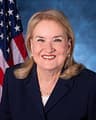 Sylvia Garcia
Democrat · Texas
 Adelita Grijalva
Democrat · Arizona
 Jared Huffman
Democrat · California
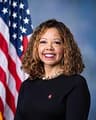 Lucy McBath
Democrat · Georgia
 Eleanor Norton
Democrat · District of Columbia
 Ilhan Omar
Democrat · Minnesota
 Linda Sánchez
Democrat · California
 Andrea Salinas
Democrat · Oregon
 Frederica Wilson
Democrat · Florida