
A Democratic bill with 33 Democratic cosponsors · See all 33 cosponsors
Last activity — Referred to the House Committee on Education and Workforce.
In committee
Introduced and handed to a committee in the chamber it started in.
The committee holds it, and most bills are never heard from again. A hearing or a committee vote would be news; silence is the usual outcome, and it kills the bill without anyone voting against it.
Its path through Congress
- Introduced
- In Committee
What this bill would do
The "Right to Read Act of 2025" aims to ensure students have access to effective school libraries and diverse reading materials. The bill defines an "effective school library" as one staffed by State-certified librarians who support digital and information literacy. It updates the Elementary and Secondary Education Act to include specific requirements for state and local educational agency plans regarding library access. The legislation also authorizes significant funding for literacy education and the recruitment of certified librarians. Additionally, it establishes a biennial data collection process to monitor school library facilities and staffing. Finally, the bill includes provisions for liability protections and the protection of constitutional rights within school libraries.
Yes· 3 of 10
- Scored +7
Would children be better off under this?
The bill aims to enhance student achievement and provide better access to educational resources.
- Scored +7
Would students be better off under this?
The bill increases student access to trained librarians, diverse materials, and literacy support.
- Scored +7
Does this put more money into public schools?
The bill authorizes significant new appropriations for literacy education and school library support.
The opposite
No question was scored the opposite.
Who it would affect, and how
Potential Positive Impacts for People
-
Access to Quality Libraries: The bill defines an "effective school library" to include at least one full-time State-certified school librarian and adequate staffing to remain open before, during, and after the school day (Section 2).
-
Development of Essential Skills: By emphasizing "information literacy" and "digital literacy," the bill aims to help students learn to find, evaluate, and use information effectively (Section 2).
-
Equitable Access for Vulnerous Groups: The bill requires states to work toward ensuring that low-income students, minority students, students with disabilities, and English learners are not disproportionately enrolled in schools lacking effective libraries (Section 3).
-
Improved Student Achievement: The bill promotes the use of libraries to enhance student achievement and foster lifelong reading and learning through motivational initiatives (Section 2).
-
Protection of Student Rights: The legislation requires agencies to protect the First Amendment rights of students, ensuring access to a variety of reading materials (Section 8).
Potential Negative Impacts for People
-
Increased Administrative Requirements: The bill mandates that the Secretary of Education direct the collection of detailed biennial data on school library facilities, staffing, and collections (Section 6).
-
New State and Local Obligations: State and local educational agencies must create and notify the public of specific policies regarding the "right to read" (Section 3).
Groups and Interests Ranking
Every group the model scored this bill for, from -10 to +10. Tap or hover a score for the reason it gave.
- Demographic And Interest Groups
- Would children be better off under this? — The bill aims to enhance student achievement and provide better access to educational resources. Would students be better off under this? — The bill increases student access to trained librarians, diverse materials, and literacy support. Would households on low incomes be better off under this? — The bill mandates that states work to ensure low-income students have equitable access to effective school libraries. Would Black Americans be better off under this? — The bill includes provisions to mitigate disparities in library access for minority students. Would Hispanic Americans be better off under this? — The bill includes provisions to mitigate disparities in library access for minority students.
- Education And Technology
- Does this put more money into public schools? — The bill authorizes significant new appropriations for literacy education and school library support. Does this get reliable internet to more people? — The bill defines effective libraries as having adequate technology and connectivity for student use.
- Social Issues And Justice
- Does this expand the rights of people with disabilities? — The bill requires states to ensure students with disabilities are not disproportionately enrolled in schools lacking effective libraries. Does this narrow racial gaps in how people are treated? — The bill requires states to ensure minority students are not disproportionately enrolled in schools lacking effective libraries.
- Governance And Ideology
- Does this protect the individual right to speak freely? — The bill requires agencies to protect students' First Amendment rights to access a variety of reading materials.
- 7/13/2026
- 2 Cosponsors added.
- 6/9/2026
- 1 Cosponsor added.
- 5/11/2026
- 1 Cosponsor added.
- 4/22/2026
- 1 Cosponsor added.
- 4/14/2026
- 1 Cosponsor added.
- 3/26/2026
- 1 Cosponsor added.
- 3/24/2026
- 1 Cosponsor added.
- 3/4/2026
- 1 Cosponsor added.
- 3/3/2026
- 2 Cosponsors added.
- 2/25/2026
- 1 Cosponsor added.
- 2/24/2026
- 1 Cosponsor added.
- 2/23/2026
- 1 Cosponsor added.
- 2/20/2026
- 1 Cosponsor added.
- 2/10/2026
- 1 Cosponsor added.
- 2/3/2026
- 1 Cosponsor added.
- 2/2/2026
- 2 Cosponsors added.
- 1/16/2026
- 1 Cosponsor added.
- 1/13/2026
- 1 Cosponsor added.
- 1/8/2026
- 1 Cosponsor added.
- 1/7/2026
- 2 Cosponsors added.
- 12/18/2025
- 1 Cosponsor added.
- 12/17/2025
- 1 Cosponsor added.
- 12/16/2025
- 2 Cosponsors added.
- 12/15/2025
- 1 Cosponsor added.
- 12/9/2025
- 1 Cosponsor added.
- 12/4/2025
- Referred to the House Committee on Education and Workforce.
- 3 Cosponsors added.
- Introduced in House
2 bills Congress.gov lists as related to this one — companions in the other chamber, earlier versions, and bills this one absorbed or was folded into.
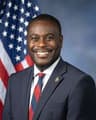 Gabe Amo
Democrat · Rhode Island
 Suzanne Bonamici
Democrat · Oregon
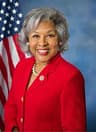 Joyce Beatty
Democrat · Ohio
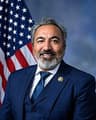 Ami Bera
Democrat · California
 Nikki Budzinski
Democrat · Illinois
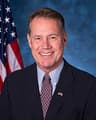 Ed Case
Democrat · Hawaii
 Angie Craig
Democrat · Minnesota
 Suzan DelBene
Democrat · Washington
 Maxine Dexter
Democrat · Oregon
 Dwight Evans
Democrat · Pennsylvania
 Shomari Figures
Democrat · Alabama
 John Garamendi
Democrat · California
 Jesús García
Democrat · Illinois
 Daniel Goldman
Democrat · New York
 Jahana Hayes
Democrat · Connecticut
 Pablo Hernández
Democrat · Puerto Rico
 Glenn Ivey
Democrat · Maryland
 Sara Jacobs
Democrat · California
 Raja Krishnamoorthi
Democrat · Illinois
 Rick Larsen
Democrat · Washington
 Summer Lee
Democrat · Pennsylvania
 James McGovern
Democrat · Massachusetts
 Seth Magaziner
Democrat · Rhode Island
 Eleanor Norton
Democrat · District of Columbia
 Chellie Pingree
Democrat · Maine
 Emily Randall
Democrat · Washington
 Janice Schakowsky
Democrat · Illinois
 Andrea Salinas
Democrat · Oregon
 Lateefah Simon
Democrat · California
 Rashida Tlaib
Democrat · Michigan
 Shri Thanedar
Democrat · Michigan
 Frederica Wilson
Democrat · Florida
 James Walkinshaw
Democrat · Virginia