
Mike Crapo (R-ID)
A concurrent resolution expressing the sense of Congress that tax-exempt fraternal benefit societies have historically provided and continue to provide critical benefits to the people and communities of the United States.
A Republican resolution with 14 Democratic cosponsors · See all 31 cosponsors
Last activity — Referred to the Committee on Finance. (text: CR S374)
In committee
Introduced and handed to a committee in the chamber it started in.
The committee holds it, and most bills are never heard from again. A hearing or a committee vote would be news; silence is the usual outcome, and it kills the bill without anyone voting against it.
Its path through Congress
- Introduced
- In Committee
A concurrent resolution is how the Senate and the House settle something they do together, such as a budget plan or a joint session. It is adopted once both chambers agree to it, and that puts it into effect; it is not a law, so it does not go to the President.
What this bill would do
This text is a resolution from the Senate and House of Representatives about tax-exempt fraternal benefit societies. It highlights that these groups have historically provided and continue to provide critical benefits to the people and communities of the United States. The text notes that these societies operate as mutual aid organizations to serve community needs and provide life, health, accident, and other benefits to their members. It points out that Congress originally exempted these organizations from taxation in 1909 under section 501(c)(8) of the Internal Revenue Code. Finally, the resolution states it is the sense of Congress that this tax exemption should continue because these societies provide significant returns and support to the country.
Yes· 3 of 30
- Scored +3
Would households on low incomes be better off under this?
Provides an alternative support system for those with unmet needs that the government cannot address.
- Scored +2
Would people in middle age be better off under this?
Beneficiaries of life, health, and accident benefits.
- Scored +2
Would people over 65 be better off under this?
Beneficiaries of life and health benefits and community support networks.
The opposite
No question was scored the opposite.
Who it would affect, and how
Potential Positive Impacts for People
-
Support for Charitable and Fraternal Activities: The text states in resolution paragraph (2) that providing payment for life, health, accident, and other benefits in accordance with section 501(c)(8) of the Internal Revenue Code is necessary to support the charitable and fraternal activities of volunteer chapters in communities. This is positive because it helps maintain the member-volunteer network and local charitable work.
-
Relief for Government Programs: The text notes that the efforts of fraternal benefit societies to help people save money and be financially secure relieves pressure on government safety net programs. This can be viewed as a positive outcome for the public as it strengthens community support systems.
-
Economic and Social Support: According to resolution paragraph (1), the fraternal benefit society model is a successful private sector economic and social support system that helps meet needs that would otherwise go unmet. This provides a clear benefit to individuals and local communities relying on this nationwide infrastructure.
Potential Negative Impacts for People
- No Negative Impacts Identified: Based strictly on the provided text, there are no specific sections or provisions that outline negative consequences or burdens for individuals or groups of people in the United States.
Groups and Interests Ranking
Every group the model scored this bill for, from -10 to +10. Tap or hover a score for the reason it gave.
- Demographic And Interest Groups
- Would households on low incomes be better off under this? — Provides an alternative support system for those with unmet needs that the government cannot address. Would people in middle age be better off under this? — Beneficiaries of life, health, and accident benefits. Would middle-income households be better off under this? — Provides financial security and insurance-like benefits. Would retired people be better off under this? — Benefit from financial security and health benefits. Would people in rural areas be better off under this? — Benefit from local chapters addressing rural community needs. Would people over 65 be better off under this? — Beneficiaries of life and health benefits and community support networks. Would people in cities be better off under this? — Benefit from local chapters addressing urban community needs. Would Black Americans be better off under this? — Provides community-based support and charitable services. Would Asian Americans be better off under this? — Provides community-based support and charitable services. Would children be better off under this? — Beneficiaries of charitable activities and educational programs provided by these societies. Would farmers be better off under this? — Access to rural community support networks. Would Hispanic Americans be better off under this? — Provides community-based support and charitable services. Would immigrants be better off under this? — Access to community-based mutual aid. Would LGBTQ people be better off under this? — Access to community support and charitable services. Would men be better off under this? — Access to community support and health benefits. Would Native Americans be better off under this? — Provides community-based support and charitable services. Would people with disabilities be better off under this? — Access to charitable services and unmet need fulfillment. Would students be better off under this? — Beneficiaries of educational programs provided by these societies. Would union members be better off under this? — Provides an additional layer of mutual aid and financial security. Would veterans be better off under this, taking everything together? — Access to community support and charitable services. Would white Americans be better off under this? — Provides community-based support and charitable services. Would women be better off under this? — Access to community support and health benefits. Would people in their twenties and thirties be better off under this? — Access to mutual aid and financial security support.
- Economy And Finance
- Is this likely to grow the economy? — Promotes a private sector economic support system that provides significant societal value. Does this make the government pay for what it commits to? — Encourages private mutual aid which reduces reliance on public spending. Does this reduce what the federal government spends? — The resolution notes that these societies relieve pressure on government safety net programs. Does this reduce what the federal government owes? — By reducing pressure on government safety net programs, it potentially lowers government expenditures.
- Social Issues And Justice
- Is this likely to lift people out of poverty? — Helps people become financially secure and provides charitable activities for unmet community needs. Is this likely to reduce homelessness? — Provides social support systems that can help address unmet community needs.
- Healthcare
- Does this make health care easier to get in general? — Recognizes the role of fraternal societies in providing health benefits to their members.
- 9/24/2026
- 1 Cosponsor added.
- 9/14/2026
- 1 Cosponsor added.
- 6/17/2026
- 1 Cosponsor added.
- 6/15/2026
- 2 Cosponsors added.
- 5/13/2026
- 1 Cosponsor added.
- 2/3/2026
- 1 Cosponsor added.
- 1/28/2026
- 1 Cosponsor added.
- 7/15/2025
- 1 Cosponsor added.
- 4/28/2025
- 1 Cosponsor added.
- 2/11/2025
- 1 Cosponsor added.
- 1/30/2025
- 1 Cosponsor added.
- 1/24/2025
- Submitted in Senate
- Referred to the Committee on Finance. (text: CR S374)
- 19 Cosponsors added.
5 bills Congress.gov lists as related to this one — companions in the other chamber, earlier versions, and bills this one absorbed or was folded into.
- 119-HCONRES-4: Expressing the sense of Congress that tax-exempt fraternal benefit societies have historically provided and continue to provide critical benefits to the people and communities of the United States.
- 118-HCONRES-28 (not yet synced)
- 118-SCONRES-8 (not yet synced)
- 117-HCONRES-65 (not yet synced)
- 117-SCONRES-10 (not yet synced)
 Angela Alsobrooks
Democrat · Maryland
 Tammy Baldwin
Democrat · Wisconsin
 Richard Blumenthal
Democrat · Connecticut
 Bill Cassidy
Republican · Louisiana
 Kevin Cramer
Republican · North Dakota
 Catherine Cortez Masto
Democrat · Nevada
 Richard Durbin
Democrat · Illinois
 Steve Daines
Republican · Montana
 Deb Fischer
Republican · Nebraska
 Chuck Grassley
Republican · Iowa
 John Hickenlooper
Democrat · Colorado
 John Hoeven
Republican · North Dakota
 Maggie Hassan
Democrat · New Hampshire
 Amy Klobuchar
Democrat · Minnesota
 Mark Kelly
Democrat · Arizona
 Cynthia Lummis
Republican · Wyoming
 James Lankford
Republican · Oklahoma
 Jerry Moran
Republican · Kansas
 Jeff Merkley
Democrat · Oregon
 David McCormick
Republican · Pennsylvania
 Gary Peters
Democrat · Michigan
 James Risch
Republican · Idaho
 Mike Rounds
Republican · South Dakota
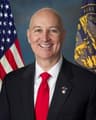 Pete Ricketts
Republican · Nebraska
 Tim Scott
Republican · South Carolina
 Tina Smith
Democrat · Minnesota
 Elissa Slotkin
Democrat · Michigan
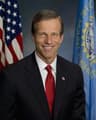 John Thune
Republican · South Dakota
 Thomas Tillis
Republican · North Carolina
 Ron Wyden
Democrat · Oregon
 Todd Young
Republican · Indiana