
A Democratic bill with 4 Republican cosponsors · See all 7 cosponsors
Last activity — Read twice and referred to the Committee on Banking, Housing, and Urban Affairs.
In committee
Introduced and handed to a committee in the chamber it started in.
The committee holds it, and most bills are never heard from again. A hearing or a committee vote would be news; silence is the usual outcome, and it kills the bill without anyone voting against it.
Its path through Congress
- Introduced
- In Committee
What this bill would do
This legislation, known as the SAFE Banking Act of 2026, creates legal protections for banks and other financial institutions that provide financial services to state-sanctioned marijuana businesses and legitimate hemp businesses. It prohibits federal banking regulators from punishing or penalizing financial institutions solely for working with these legal businesses. The bill also ensures that income derived from state-sanctioned marijuana businesses can be considered when individuals apply for federally backed single-family mortgage loans. Additionally, it sets requirements for federal banking agencies when they request or order the termination of a customer's bank account. Finally, the bill mandates several studies and reports on financial service accessibility, diversity, and the effectiveness of suspicious activity reports.
Yes· 3 of 24
- Scored +8
Would business owners be better off under this?
Grants state-sanctioned cannabis and hemp business owners safe harbor access to banking, loans, and financial services.
- Scored +7
Does this make it easier to run a small business?
Small businesses in the marijuana and hemp sectors gain critical legal access to banking, insurance, and lending services.
- Scored +6
Would farmers be better off under this?
Directly benefits hemp producers, farmers, and agricultural enterprises by securing their access to banking and lending.
The opposite
No question was scored the opposite.
Who it would affect, and how
Potential Positive Impacts for People
-
Individuals and groups operating legal marijuana or hemp businesses will have significantly better access to banking products, insurance, and financial services, as outlined in Section 3, Section 5, and Section 8. This means business owners will not be forced to handle massive amounts of cash, making them much safer from theft and violent crime.
-
Homebuyers who earn income from a state-sanctioned marijuana business can have that income counted toward qualifying for a federally backed single-family mortgage loan, according to Section 9. This makes it fairer for hardworking people in the industry to buy a home for their families without facing discrimination based on their legal employment.
-
Minority-owned, veteran-owned, women-owned, and small businesses will benefit from mandated annual reporting and studies under Section 11 and Section 12, which focus on expanding their access to financial services and removing marketplace entry barriers.
-
Bank account holders and business owners gain protections from arbitrary account closures under Section 10, which stops federal regulators from pressuring banks to drop customers based merely on reputational risk without a valid, written legal reason.
Potential Negative Impacts for People
-
Financial institutions and their employees will still face complex compliance burdens and regulatory oversight, as Section 6 and Section 15 require banks to continue filing suspicious activity reports and allow federal regulators to maintain full supervisory and enforcement authority.
-
The bill does not force any bank, credit union, or insurer to actually provide services to marijuana or hemp businesses against their will, as explicitly stated in Section 15. Therefore, individuals and business owners may still struggle to find a financial institution willing to work with them even if the legal protections exist.
Groups and Interests Ranking
Every group the model scored this bill for, from -10 to +10. Tap or hover a score for the reason it gave.
- Demographic And Interest Groups
- Would business owners be better off under this? — Grants state-sanctioned cannabis and hemp business owners safe harbor access to banking, loans, and financial services. Would farmers be better off under this? — Directly benefits hemp producers, farmers, and agricultural enterprises by securing their access to banking and lending. Would middle-income households be better off under this? — Expands homeownership opportunities by allowing legal industry income to qualify for federally backed mortgages. Would people in middle age be better off under this? — Middle-aged workers and entrepreneurs in the cannabis and hemp industries benefit from access to banking and mortgages. Would Native Americans be better off under this? — Explicitly protects Tribes and Tribal jurisdictions operating state-sanctioned marijuana or hemp enterprises. Would people in rural areas be better off under this? — Aids rural development and farming communities involved in the legal hemp and agricultural markets. Would veterans be better off under this, taking everything together? — Includes specific provisions and reporting to support veteran-owned businesses in the cannabis and hemp sectors. Would women be better off under this? — Includes specific measures and studies focused on expanding financial service access for women-owned businesses. Would people in their twenties and thirties be better off under this? — Young adults employed in or operating legal cannabis and hemp businesses benefit from increased financial inclusion. Would Black Americans be better off under this? — Supports minority-owned enterprises through targeted reporting and studies to expand financial service access. Would Asian Americans be better off under this? — Supports minority-owned enterprises through targeted reporting and studies to expand financial service access. Would Hispanic Americans be better off under this? — Supports minority-owned enterprises through targeted reporting and studies to expand financial service access.
- Economy And Finance
- Does this make it easier to run a small business? — Small businesses in the marijuana and hemp sectors gain critical legal access to banking, insurance, and lending services. Is this likely to grow the economy? — Integrating legal cannabis and hemp industries into the formal banking sector enhances economic efficiency and commercial growth. Is this likely to create jobs? — By improving access to banking and financial services for state-sanctioned marijuana and hemp businesses, the bill facilitates smoother business operations and potential expansion. Does this give people more protection from unfair business practices? — Provides clearer compliance and protections for account holders against arbitrary account closures by federal regulators.
- Governance And Ideology
- Does this protect the right to fair treatment by the courts? — Sets strict notice and written justification requirements for federal regulators requesting account terminations, reducing arbitrary actions. Does this leave more decisions to the states? — Protects and respects state-level legalization frameworks by preventing federal regulators from penalizing banks for servicing state-legal businesses. Does this make what the government does easier for the public to see? — Requires federal banking agencies to submit annual reports detailing account termination requests and justifications. Does this make it easier to do business across state lines? — Eases financial friction for businesses operating under state-sanctioned marijuana and hemp frameworks.
- Social Issues And Justice
- Does this make housing cost less? — Allows income derived from state-sanctioned marijuana businesses to qualify for federally backed single-family mortgage loans. Does this narrow the gap between how men and women are treated? — Mandates reporting and studies on expanding financial access for women-owned businesses in the industry. Does this narrow racial gaps in how people are treated? — Mandates reporting and studies on expanding financial access for minority-owned businesses in the industry.
- Environment Energy And Infrastructure
- Does this invest in rural communities? — Clarifies and secures banking access for hemp-related legitimate businesses and agricultural providers.
- 7/28/2026
- 4 Cosponsors added.
- 6/24/2026
- Read twice and referred to the Committee on Banking, Housing, and Urban Affairs.
- 3 Cosponsors added.
- Introduced in Senate
3 bills Congress.gov lists as related to this one — companions in the other chamber, earlier versions, and bills this one absorbed or was folded into.
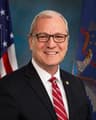 Kevin Cramer
Republican · North Dakota
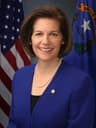 Catherine Cortez Masto
Democrat · Nevada
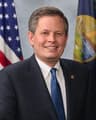 Steve Daines
Republican · Montana
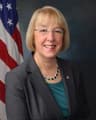 Patty Murray
Democrat · Washington
 Lisa Murkowski
Republican · Alaska
 Dan Sullivan
Republican · Alaska
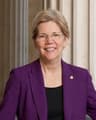 Elizabeth Warren
Democrat · Massachusetts