
A Republican bill with 9 Democratic cosponsors · See all 65 cosponsors
Last activity — Referred to the House Committee on the Judiciary.
In committee
Introduced and handed to a committee in the chamber it started in.
The committee holds it, and most bills are never heard from again. A hearing or a committee vote would be news; silence is the usual outcome, and it kills the bill without anyone voting against it.
Its path through Congress
- Introduced
- In Committee
What this bill would do
The Securing Agriculture's Workforce Act of 2026 aims to modernize the H-2A visa program for non-immigrant agricultural labor. It updates the Immigration and Nationality Act to shift authority from the Attorney General to the Secretary of Homeland Security. The bill introduces changes to labor certification durations, housing requirements, and worker entry/exit processes. It also establishes new rules for wages, heat illness prevention, and the ability to transfer workers between employers. Additionally, it mandates the creation of a streamlined online platform to consolidate agency processes.
Yes· 3 of 14
- Scored +6
Would farmers be better off under this?
Farmers benefit from modernized, more flexible, and streamlined labor certification and recruitment processes.
- Scored +5
Would business owners be better off under this?
Agricultural employers benefit from increased flexibility, longer certification durations, and streamlined processes.
- Scored +4
Does this make it easier to run a small business?
The bill reduces administrative burdens through a streamlined online platform for agricultural employers.
The opposite
No question was scored the opposite.
Who it would affect, and how
Potential Positive Impacts for People
-
Streamlined Administrative Processes: The creation of a single online platform aims to reduce redundant processes and eliminate the need for employers to submit duplicate information to multiple agencies (Section 4).
-
Worker Safety Protections: Employers are required to maintain a heat illness prevention plan that includes training and protocols for access to water, shade, and breaks (Section 2, subsection (h)(4)).
-
Increased Flexibility for Employers: Employers can use an expedited process to amend labor certifications for changes in employment dates, locations, or agricultural activities due to unforeseen circumstances (Section 2, subsection (i)(2)(B)).
-
Worker Mobility: The bill allows H-2A workers to begin employment with a new employer once a non-frivolous petition is filed (Section 2, subsection (h)(6)(A)).
-
Labor Certification Longevity: Labor certifications may now be valid for up to three consecutive years (Section 2, subsection (c)(3)(C)).
-
Protection Against Wage Fluctuations: The required contract wage is protected from being modified based on subsequent adjustments to the adverse effect wage rate during the contract period (Section 2, subsection (j)(2)).
Potential Negative Impacts for People
-
Workforce Termination Risks: Employers may terminate employment due to "force majeure" events such as natural disasters, which could lead to job loss for workers (Section 2, subsection (h)(5)).
-
Mandatory Housing Costs: Employers are required to provide housing, and the bill allows them to deduct a specific daily charge from a worker's wages for this provision (Section 2, subsection (c)(4)(E)).
-
Visa Denial Consequences: If a petition for a worker transfer is denied or withdrawn, the worker's employment authorization is terminated, and they must depart the United States within 30 days (Section 2, subsection (h)(6)(D)).
-
Potential for Unlawful Status Issues: The bill includes a waiver for certain grounds of inadmissibility for aliens who were unlawfully present on a specific date and met specific labor requirements (Section 2, subsection (h)(7)(B)).
Groups and Interests Ranking
Every group the model scored this bill for, from -10 to +10. Tap or hover a score for the reason it gave.
- Demographic And Interest Groups
- Would farmers be better off under this? — Farmers benefit from modernized, more flexible, and streamlined labor certification and recruitment processes. Would business owners be better off under this? — Agricultural employers benefit from increased flexibility, longer certification durations, and streamlined processes. Would immigrants be better off under this? — The bill offers enhanced worker protections like heat illness prevention and more predictable employment terms. Would Hispanic Americans be better off under this? — The bill provides clearer pathways for certain workers to establish legal status. Would people in rural areas be better off under this? — The bill supports the stability and efficiency of the agricultural economy vital to rural areas. Would households on low incomes be better off under this? — The bill includes heat illness prevention and wage protections for agricultural workers.
- Economy And Finance
- Does this make it easier to run a small business? — The bill reduces administrative burdens through a streamlined online platform for agricultural employers. Is this likely to create jobs? — The bill streamlines the H-2A visa process, which may facilitate more consistent agricultural employment opportunities. Does this raise the lowest wage an employer may pay? — The bill ensures a contract wage that meets minimum standards and protects against mid-contract fluctuations. Is this likely to grow the economy? — Modernizing agricultural labor processes supports more efficient food production and economic activity.
- Governance And Ideology
- Does this make what the government does easier for the public to see? — The requirement for a public online job registry increases transparency in the H-2A process. Does this give the federal government more power? — The bill shifts and consolidates authority within the Department of Homeland Security and Department of Labor.
- Social Issues And Justice
- Does this make it easier for immigrants already here to become citizens? — The bill provides a specific waiver for certain workers to establish status, creating a more stable pathway for some.
- Environment Energy And Infrastructure
- Does this invest in rural communities? — By modernizing agricultural labor, the bill supports the economic viability of rural agricultural sectors.
- 10/15/2026
- 1 Cosponsor added.
- 9/2/2026
- 1 Cosponsor added.
- 8/31/2026
- 1 Cosponsor added.
- 8/27/2026
- 1 Cosponsor added.
- 8/24/2026
- 1 Cosponsor added.
- 8/17/2026
- 1 Cosponsor added.
- 8/6/2026
- 1 Cosponsor added.
- 8/3/2026
- 3 Cosponsors added.
- 7/27/2026
- 1 Cosponsor added.
- 7/23/2026
- 2 Cosponsors added.
- 7/21/2026
- 1 Cosponsor added.
- 7/13/2026
- 1 Cosponsor added.
- 7/9/2026
- 1 Cosponsor added.
- 6/30/2026
- Referred to the House Committee on the Judiciary.
- 49 Cosponsors added.
- Introduced in House
 Rick Allen
Republican · Georgia
 Cliff Bentz
Republican · Oregon
 Mike Bost
Republican · Illinois
 Don Bacon
Republican · Nebraska
 Jack Bergman
Republican · Michigan
 James Baird
Republican · Indiana
 Henry Cuellar
Democrat · Texas
 Donald Davis
Democrat · North Carolina
 Monica De La Cruz
Republican · Texas
 Troy Downing
Republican · Montana
 Jake Ellzey
Republican · Texas
 Mike Ezell
Republican · Mississippi
 Chuck Edwards
Republican · North Carolina
 Gabe Evans
Republican · Colorado
 Randy Feenstra
Republican · Iowa
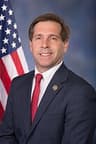 Charles Fleischmann
Republican · Tennessee
 Michelle Fischbach
Republican · Minnesota
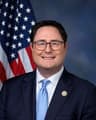 Mike Flood
Republican · Nebraska
 Brad Finstad
Republican · Minnesota
 Julie Fedorchak
Republican · North Dakota
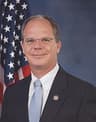 Brett Guthrie
Republican · Kentucky
 Vicente Gonzalez
Democrat · Texas
 Josh Gottheimer
Democrat · New Jersey
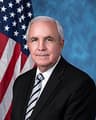 Carlos Gimenez
Republican · Florida
 Maggie Goodlander
Democrat · New Hampshire
 Adam Gray
Democrat · California
 Bill Huizenga
Republican · Michigan
 Richard Hudson
Republican · North Carolina
 Chrissy Houlahan
Democrat · Pennsylvania
 Brian Jack
Republican · Georgia
 Mike Kelly
Republican · Pennsylvania
 Trent Kelly
Republican · Mississippi
 David Kustoff
Republican · Tennessee
 Darin LaHood
Republican · Illinois
 Laurel Lee
Republican · Florida
 Nick LaLota
Republican · New York
 Michael Lawler
Republican · New York
 Nicholas Langworthy
Republican · New York
 Michael McCaul
Republican · Texas
 John Moolenaar
Republican · Michigan
 Daniel Meuser
Republican · Pennsylvania
 Mariannette Miller-Meeks
Republican · Iowa
 Richard McCormick
Republican · Georgia
 Celeste Maloy
Republican · Utah
 Mark Messmer
Republican · Indiana
 Tim Moore
Republican · North Carolina
 Dan Newhouse
Republican · Washington
 Mike Rogers
Republican · Alabama
 David Rouzer
Republican · North Carolina
 Josh Riley
Democrat · New York
 Maria Salazar
Republican · Florida
 Pete Sessions
Republican · Texas
 Michael Simpson
Republican · Idaho
 Terri Sewell
Democrat · Alabama
 Marlin Stutzman
Republican · Indiana
 Austin Scott
Republican · Georgia
 Lloyd Smucker
Republican · Pennsylvania
 Claudia Tenney
Republican · New York
 David Taylor
Republican · Ohio
 David Valadao
Republican · California
 Jefferson Van Drew
Republican · New Jersey
 Derrick Van Orden
Republican · Wisconsin
 Joe Wilson
Republican · South Carolina
 Robert Wittman
Republican · Virginia
 Ryan Zinke
Republican · Montana