
Mariannette Miller-Meeks (R-IA)
Keep SNAP Funded Act of 2025
A Republican bill with 1 Democratic cosponsor · See all 27 cosponsors
Last activity — Referred to the House Committee on Appropriations.
In committee
Introduced and handed to a committee in the chamber it started in.
The committee holds it, and most bills are never heard from again. A hearing or a committee vote would be news; silence is the usual outcome, and it kills the bill without anyone voting against it.
Its path through Congress
- Introduced
- In Committee
What this bill would do
This bill is called the Keep SNAP Funded Act of 2025. It aims to make sure that benefits under the supplemental nutrition assistance program are not interrupted. The bill provides funding to the Secretary of Agriculture for fiscal year 2026 if regular appropriations have not been enacted. It also covers retroactive benefits for any missed benefits from September 30, 2025, until the date the Act is enacted. The funding provided by this bill will end once regular appropriations for the Department of Agriculture for fiscal year 2026 are enacted into law.
Yes· 3 of 17
- Scored +9
Would households on low incomes be better off under this?
The bill directly safeguards critical food assistance for low-income households relying on SNAP.
- Scored +8
Is this likely to lift people out of poverty?
The bill ensures continuous funding and retroactive benefits for SNAP, directly aiding low-income households struggling with food security.
- Scored +7
Would children be better off under this?
Uninterrupted SNAP benefits ensure that children in low-income families continue to receive necessary nutritional support.
The opposite
No question was scored the opposite.
Who it would affect, and how
Potential Positive Impacts for People
-
Uninterrupted Benefits: Under Section 2(a), the bill appropriates necessary funds to the Secretary of Agriculture during fiscal year 2026 when regular appropriations for the Department of Agriculture have not been enacted. This is positive because it helps ensure that people relying on the supplemental nutrition assistance program do not experience a disruption in their food assistance.
-
Retroactive Payments: Under Section 2(b), the appropriations include amounts needed to pay any missed benefits from the period starting on September 30, 2025, and ending when the Act is enacted. This is positive because it ensures individuals receive the benefits they missed during that gap in funding.
Potential Negative Impacts for People
- No Negative Impacts Identified: Based strictly on the provided text, there are no specific sections or provisions identified that outline negative consequences or burdens for individuals or groups of people in the United States.
Groups and Interests Ranking
Every group the model scored this bill for, from -10 to +10. Tap or hover a score for the reason it gave.
- Demographic And Interest Groups
- Would households on low incomes be better off under this? — The bill directly safeguards critical food assistance for low-income households relying on SNAP. Would children be better off under this? — Uninterrupted SNAP benefits ensure that children in low-income families continue to receive necessary nutritional support. Would people with disabilities be better off under this? — Individuals with disabilities who depend on SNAP receive guaranteed continuity of food benefits. Would people over 65 be better off under this? — Many elderly individuals rely on SNAP, and uninterrupted funding ensures they do not face food gaps. Would women be better off under this? — Women, particularly single mothers, often bear the brunt of household food insecurity and benefit from stable SNAP funding. Would Black Americans be better off under this? — African American communities experience higher rates of food insecurity and benefit positively from secured SNAP funding. Would Hispanic Americans be better off under this? — Hispanic communities with lower average household incomes benefit from uninterrupted SNAP food assistance. Would people in middle age be better off under this? — Middle-aged individuals facing food insecurity benefit from continuous SNAP funding. Would Native Americans be better off under this? — Native American populations facing high rates of food insecurity benefit from continued nutrition assistance. Would retired people be better off under this? — Retirees depending on supplemental nutritional support are protected from funding lapses. Would people in rural areas be better off under this? — Rural residents relying on food assistance programs benefit from uninterrupted federal support. Would students be better off under this? — Low-income students relying on food assistance benefit from uninterrupted nutrition benefits. Would people in cities be better off under this? — Urban populations with high concentrations of SNAP participants benefit from continuous program funding. Would veterans be better off under this, taking everything together? — Low-income veterans relying on nutrition assistance programs benefit from the prevention of benefit gaps. Would people in their twenties and thirties be better off under this? — Young adults relying on food assistance benefit from the prevention of benefit interruptions. Would farmers be better off under this? — Maintaining SNAP funding indirectly supports agricultural markets by ensuring steady demand for food products.
- Social Issues And Justice
- Is this likely to lift people out of poverty? — The bill ensures continuous funding and retroactive benefits for SNAP, directly aiding low-income households struggling with food security.
- 11/4/2025
- 3 Cosponsors added.
- 10/31/2025
- 11 Cosponsors added.
- 10/28/2025
- 12 Cosponsors added.
- 10/24/2025
- Referred to the House Committee on Appropriations.
- 1 Cosponsor added.
- Introduced in House
3 bills Congress.gov lists as related to this one — companions in the other chamber, earlier versions, and bills this one absorbed or was folded into.
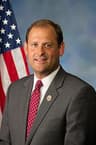 Andy Barr
Republican · Kentucky
 Robert Bresnahan
Republican · Pennsylvania
 James Comer
Republican · Kentucky
 Juan Ciscomani
Republican · Arizona
 Monica De La Cruz
Republican · Texas
 Brian Fitzpatrick
Republican · Pennsylvania
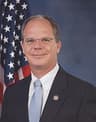 Brett Guthrie
Republican · Kentucky
 Marie Perez
Democrat · Washington
 Jeff Hurd
Republican · Colorado
 Dusty Johnson
Republican · South Dakota
 Thomas Kean
Republican · New Jersey
 Jennifer Kiggans
Republican · Virginia
 Kevin Kiley
Independent · California
 Nick LaLota
Republican · New York
 Michael Lawler
Republican · New York
 Nicole Malliotakis
Republican · New York
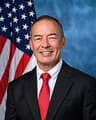 James Moylan
Republican · Guam
 Max Miller
Republican · Ohio
 Ryan Mackenzie
Republican · Pennsylvania
 Zachary Nunn
Republican · Iowa
 Harold Rogers
Republican · Kentucky
 Maria Salazar
Republican · Florida
 Christopher Smith
Republican · New Jersey
 Elise Stefanik
Republican · New York
 Derek Schmidt
Republican · Kansas
 Jefferson Van Drew
Republican · New Jersey
 Derrick Van Orden
Republican · Wisconsin