A Democratic bill with 130 Democratic cosponsors · See all 130 cosponsors
Last activity — Referred to the House Committee on Ways and Means.
In committee
Introduced and handed to a committee in the chamber it started in.
The committee holds it, and most bills are never heard from again. A hearing or a committee vote would be news; silence is the usual outcome, and it kills the bill without anyone voting against it.
Its path through Congress
- Introduced
- In Committee
What this bill would do
The ``Keeping Our Field Offices Open Act'' establishes a moratorium on the closure or consolidation of Social Security field and hearing offices or resident stations. This moratorium remains in effect until 180 days after the Commissioner of Social Security submits a specific report to Congress. The bill requires the Commissioner to justify any future actions by considering factors such as transportation and communication burdens on the elderly and disabled. It also mandates strict public notice requirements and the holding of public hearings before any such changes occur. Additionally, the bill sets requirements for replacing lost access and provides a process for individuals to appeal closure decisions. Finally, the act ensures that the total number of offices does not fall below the levels in operation on January 20, 2025.
Yes· 3 of 5
- Scored +7
Would people over 65 be better off under this?
The bill protects access to Social Security offices by requiring the Commissioner to consider the specific transportation and communication burdens faced by the elderly.
- Scored +7
Would people with disabilities be better off under this?
The bill requires the Commissioner to consider the unique communication and transportation burdens faced by disabled individuals when deciding on office closures.
- Scored +7
Does this strengthen Social Security?
The bill prevents the closure or consolidation of Social Security field and hearing offices, ensuring continued physical access to services.
The opposite
No question was scored the opposite.
Who it would affect, and how
Potential Positive Impacts for People
-
Protection of Office Access: The bill creates a moratorium that prevents the Commissioner of Social Security from closing or consolidating field or hearing offices or resident stations, or imposing new limitations on access (Section 2, paragraph a, 1).
-
Consideration of Vulnerable Populations: The bill requires the Commissioner to analyze and consider relevant factors such as the transportation and communication burdens faced by individuals, specifically including elderly and disabled individuals (Section s 2, paragraph a, 4, B, ii; Section 2, paragraph b, 2, B, ii).
-
Public Transparency and Input: Before any closure or consolidation can happen, the Commissioner must provide effective public notice and conduct at least two public hearings to allow attendees to present their views (Section 2, paragraph b, 2, A, iii).
-
Accountability and Appeal Rights: The bill provides a mechanism where individuals can request a hearing to challenge actions they believe are arbitrary, capricious, or an abuse of discretion (Section 2, paragraph b, 4, A).
Potential Negative Impacts for People
-
Potential for Future Closures: The moratorium is not permanent and will cease to be effective 180 days after the Commissioner submits a required report to Congress (Section 2, paragraph a, 3).
-
Emergency Exceptions: The Commissioner maintains the authority to take temporary actions to close or limit access to offices and stations in response to an emergency (Section 2, paragraph a, 2; Section 2, paragraph b, 6).
Groups and Interests Ranking
Every group the model scored this bill for, from -10 to +10. Tap or hover a score for the reason it gave.
- Demographic And Interest Groups
- Would people with disabilities be better off under this? — The bill requires the Commissioner to consider the unique communication and transportation burdens faced by disabled individuals when deciding on office closures. Would people over 65 be better off under this? — The bill protects access to Social Security offices by requiring the Commissioner to consider the specific transportation and communication burdens faced by the elderly. Would households on low incomes be better off under this? — Ensuring local access to Social Security offices helps low-income individuals maintain connection to essential benefits.
- Social Issues And Justice
- Does this strengthen Social Security? — The bill prevents the closure or consolidation of Social Security field and hearing offices, ensuring continued physical access to services.
- Governance And Ideology
- Does this make what the government does easier for the public to see? — The bill mandates public notice, public hearings, and detailed reporting requirements before any office closures can occur.
- 8/31/2026
- 1 Cosponsor added.
- 8/15/2025
- 1 Cosponsor added.
- 6/25/2025
- 1 Cosponsor added.
- 4/29/2025
- 2 Cosponsors added.
- 4/21/2025
- 8 Cosponsors added.
- 4/17/2025
- 2 Cosponsors added.
- 4/7/2025
- 10 Cosponsors added.
- 3/31/2025
- 20 Cosponsors added.
- 3/24/2025
- 11 Cosponsors added.
- 3/10/2025
- 5 Cosponsors added.
- 3/5/2025
- Referred to the House Committee on Ways and Means.
- 69 Cosponsors added.
- Introduced in House
2 bills Congress.gov lists as related to this one — companions in the other chamber, earlier versions, and bills this one absorbed or was folded into.
 Jake Auchincloss
Democrat · Massachusetts
 Gabe Amo
Democrat · Rhode Island
 Yassamin Ansari
Democrat · Arizona
 Sanford Bishop
Democrat · Georgia
 Suzanne Bonamici
Democrat · Oregon
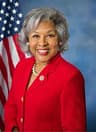 Joyce Beatty
Democrat · Ohio
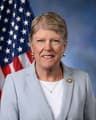 Julia Brownley
Democrat · California
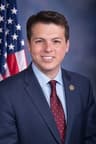 Brendan Boyle
Democrat · Pennsylvania
 Nanette Barragán
Democrat · California
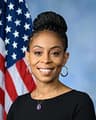 Shontel Brown
Democrat · Ohio
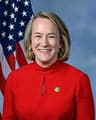 Nikki Budzinski
Democrat · Illinois
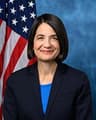 Becca Balint
Democrat · Vermont
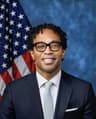 Wesley Bell
Democrat · Missouri
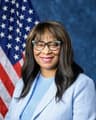 Janelle Bynum
Democrat · Oregon
 Jim Costa
Democrat · California
 Emanuel Cleaver
Democrat · Missouri
 Yvette Clarke
Democrat · New York
 Steve Cohen
Democrat · Tennessee
 Joe Courtney
Democrat · Connecticut
 André Carson
Democrat · Indiana
 Judy Chu
Democrat · California
 J. Correa
Democrat · California
 Salud Carbajal
Democrat · California
 Sheila Cherfilus-McCormick
Democrat · Florida
 Danny Davis
Democrat · Illinois
 Rosa DeLauro
Democrat · Connecticut
 Christopher Deluzio
Democrat · Pennsylvania
 Suzan DelBene
Democrat · Washington
 Debbie Dingell
Democrat · Michigan
 Maxine Dexter
Democrat · Oregon
 Dwight Evans
Democrat · Pennsylvania
 Sarah Elfreth
Democrat · Maryland
 Lois Frankel
Democrat · Florida
 Lizzie Fletcher
Democrat · Texas
 Valerie Foushee
Democrat · North Carolina
 Shomari Figures
Democrat · Alabama
 Raúl Grijalva
Democrat · Arizona
 Josh Gottheimer
Democrat · New Jersey
 Jimmy Gomez
Democrat · California
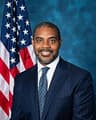 Steven Horsford
Democrat · Nevada
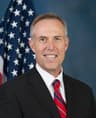 Jared Huffman
Democrat · California
 Jahana Hayes
Democrat · Connecticut
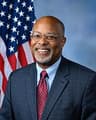 Glenn Ivey
Democrat · Maryland
 Henry Johnson
Democrat · Georgia
 Sara Jacobs
Democrat · California
 Jonathan Jackson
Democrat · Illinois
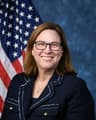 Julie Johnson
Democrat · Texas
 Marcy Kaptur
Democrat · Ohio
 William Keating
Democrat · Massachusetts
 Robin Kelly
Democrat · Illinois
 Ro Khanna
Democrat · California
 Raja Krishnamoorthi
Democrat · Illinois
 Sydney Kamlager-Dove
Democrat · California
 Timothy Kennedy
Democrat · New York
 Rick Larsen
Democrat · Washington
 Stephen Lynch
Democrat · Massachusetts
 Ted Lieu
Democrat · California
 Greg Landsman
Democrat · Ohio
 George Latimer
Democrat · New York
 James McGovern
Democrat · Massachusetts
 Kweisi Mfume
Democrat · Maryland
 Gregory Meeks
Democrat · New York
 Betty McCollum
Democrat · Minnesota
 Gwen Moore
Democrat · Wisconsin
 Doris Matsui
Democrat · California
 Grace Meng
Democrat · New York
 Joseph Morelle
Democrat · New York
 Frank Mrvan
Democrat · Indiana
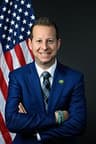 Jared Moskowitz
Democrat · Florida
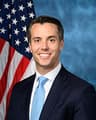 Morgan McGarvey
Democrat · Kentucky
 Kevin Mullin
Democrat · California
 LaMonica McIver
Democrat · New Jersey
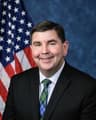 John Mannion
Democrat · New York
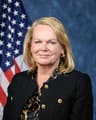 April McClain Delaney
Democrat · Maryland
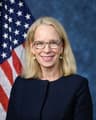 Kelly Morrison
Democrat · Minnesota
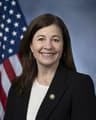 Kristen McDonald Rivet
Democrat · Michigan
 Sarah McBride
Democrat · Delaware
 Jerrold Nadler
Democrat · New York
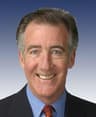 Richard Neal
Democrat · Massachusetts
 Eleanor Norton
Democrat · District of Columbia
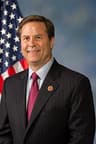 Donald Norcross
Democrat · New Jersey
 Frank Pallone
Democrat · New Jersey
 Nancy Pelosi
Democrat · California
 Chellie Pingree
Democrat · Maine
 Mark Pocan
Democrat · Wisconsin
 Stacey Plaskett
Democrat · Virgin Islands
 Jimmy Panetta
Democrat · California
 Brittany Pettersen
Democrat · Colorado
 Mike Quigley
Democrat · Illinois
 Deborah Ross
Democrat · North Carolina
 Raul Ruiz
Democrat · California
 Emily Randall
Democrat · Washington
 Josh Riley
Democrat · New York
 Robert Scott
Democrat · Virginia
 Brad Sherman
Democrat · California
 Janice Schakowsky
Democrat · Illinois
 Linda Sánchez
Democrat · California
 David Scott
Democrat · Georgia
 Marilyn Strickland
Democrat · Washington
 Terri Sewell
Democrat · Alabama
 Bradley Schneider
Democrat · Illinois
 Eric Swalwell
Democrat · California
 Darren Soto
Democrat · Florida
 Thomas Suozzi
Democrat · New York
 Mary Gay Scanlon
Democrat · Pennsylvania
 Mikie Sherrill
Democrat · New Jersey
 Greg Stanton
Democrat · Arizona
 Melanie Stansbury
Democrat · New Mexico
 Hillary Scholten
Democrat · Michigan
 Eric Sorensen
Democrat · Illinois
 Andrea Salinas
Democrat · Oregon
 Lateefah Simon
Democrat · California
 Bennie Thompson
Democrat · Mississippi
 Mike Thompson
Democrat · California
 Dina Titus
Democrat · Nevada
 Paul Tonko
Democrat · New York
 Mark Takano
Democrat · California
 Norma Torres
Democrat · California
 Rashida Tlaib
Democrat · Michigan
 Ritchie Torres
Democrat · New York
 Shri Thanedar
Democrat · Michigan
 Derek Tran
Democrat · California
 Lauren Underwood
Democrat · Illinois
 Nydia Velázquez
Democrat · New York
 Juan Vargas
Democrat · California
 Marc Veasey
Democrat · Texas
 Maxine Waters
Democrat · California
 Debbie Wasserman Schultz
Democrat · Florida
 Frederica Wilson
Democrat · Florida
 Bonnie Watson Coleman
Democrat · New Jersey