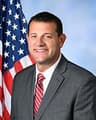
David Valadao (R-CA)
Conrad State 30 and Physician Access Reauthorization Act
A Republican bill with 57 Democratic cosponsors · See all 66 cosponsors
Last activity — Referred to the House Committee on the Judiciary.
In committee
Introduced and handed to a committee in the chamber it started in.
The committee holds it, and most bills are never heard from again. A hearing or a committee vote would be news; silence is the usual outcome, and it kills the bill without anyone voting against it.
Its path through Congress
- Introduced
- In Committee
What this bill would do
This bill, known as the "Conrad State 30 and Physician Access Reauthorization Act," aims to provide incentives for physicians to practice in rural and medically underserved communities. It extends the Conrad State 30 program for three years and introduces new employment protections for these physicians. The legislation modifies the Immigration and Nationality Act to adjust visa status changes, service requirements, and employment agreement standards. It also provides provisions for academic medical centers and clarifies national interest waivers. Additionally, it establishes new allotment rules for state waivers and requires annual statistical reporting to Congress.
Yes· 3 of 6
- Scored +7
Does this make health care easier to get in general?
The bill increases physician access to rural and medically underserved communities by extending and expanding the Conrad State 30 waiver program.
- Scored +6
Would people in rural areas be better off under this?
The bill incentivizes physicians to practice in rural and underserved areas, increasing availability of care.
- Scored +5
Would immigrants be better off under this?
The bill offers increased flexibility for work authorization and more streamlined pathways for physicians and their families.
The opposite
No question was scored the opposite.
Who it would affect, and how
Potential Positive Impacts for People
-
Extension of Physician Programs: The bill extends the Conrad State 30 program by three years, which helps provide a mechanism for physicians to work in underserved areas (Section 2).
-
Simplified Status Changes: Physicians can change their status to any status authorized for employment under the Act more easily, and numerical limitations on these changes do not apply (Section 4(b)).
-
Increased Opportunities for Academic Medical Centers: State agencies can request waivers for physicians to practice at or teach at academic medical centers, regardless of whether the facility is in a designated shortage area (Section 5(b)).
-
Protections Against Unfair Employment Practices: The bill allows for exceptions to the 3-year work requirement if there are extenuating circumstances, such as a violation of the employment agreement or labor laws by the employer (Section s 4(g)).
-
Improved Service Requirement Tracking: The 5-year service requirement for certain waivers begins when the physician starts working in a shortage area in any legal status, rather than when a visa petition is filed, and allows for the aggregation of service time (Section 6(b)).
-
Flexibility for Physicians Moving States: If a physician leaves their current employer to work at a new facility in a different state, the state they are leaving may be given an additional waiver (Section 4(f)).
-
Ease of Transition for Graduate Medical Training: Physicians completing graduate medical training receive automatic extensions of their nonimmigrant status to ensure they can continue working while new petitions are processed (Section 6(d)).
-
Family Benefits: The bill clarifies that the spouse or children of certain alien physicians are eligible for specific provisions (Section 3) and exempts spouses and children of J-1 exchange visitors from certain requirements (Section 6(e)).
Potential Negative Impacts for People
-
Strict Employment Agreement Requirements: Physicians must enter into contracts that include specific details regarding on-call hours, compensation, and malpractice insurance, which may impose administrative burdens (Section 4(e)).
-
Work Location Restrictions: Employment agreements must specify all work locations, and employers are prohibited from adding new work locations without approval from a Federal or State agency (Section 4(e)).
-
Potential for Reduced Waivers: If the total number of waivers granted drops by 5 percent from the last year of an increase, the number of waivers allotted to all states will be decreased by 5 (Section 5(a)).
-
Service Requirement Constraints: While there are exceptions, physicians are generally expected to complete a 3-year service period, and those seeking exceptions must demonstrate extenuating circumstances or find new employment in a shortage area within specific timeframes (Section 4(g)).
Groups and Interests Ranking
Every group the model scored this bill for, from -10 to +10. Tap or hover a score for the reason it gave.
- Demographic And Interest Groups
- Would people in rural areas be better off under this? — The bill incentivizes physicians to practice in rural and underserved areas, increasing availability of care. Would immigrants be better off under this? — The bill offers increased flexibility for work authorization and more streamlined pathways for physicians and their families. Would business owners be better off under this? — The bill provides healthcare facilities with more reliable pathways to recruit and retain foreign-trained physicians.
- Healthcare
- Does this make health care easier to get in general? — The bill increases physician access to rural and medically underserved communities by extending and expanding the Conrad State 30 waiver program.
- Economy And Finance
- Does this strengthen the rights of workers to organise? — The bill mandates that employment agreements specify maximum on-call hours and compensation, providing greater worker clarity.
- Social Issues And Justice
- Does this make it easier for immigrants already here to become citizens? — The bill clarifies legal classifications for the spouses and children of physicians who complete their service requirements.
- 8/24/2026
- 1 Cosponsor added.
- 6/29/2026
- 1 Cosponsor added.
- 6/18/2026
- 1 Cosponsor added.
- 6/15/2026
- 1 Cosponsor added.
- 4/20/2026
- 1 Cosponsor added.
- 12/19/2025
- 1 Cosponsor added.
- 11/7/2025
- 1 Cosponsor added.
- 10/24/2025
- 2 Cosponsors added.
- 10/17/2025
- 2 Cosponsors added.
- 10/8/2025
- 2 Cosponsors added.
- 10/6/2025
- 1 Cosponsor added.
- 9/30/2025
- 1 Cosponsor added.
- 9/23/2025
- 1 Cosponsor added.
- 9/17/2025
- 1 Cosponsor added.
- 9/3/2025
- 1 Cosponsor added.
- 9/2/2025
- 1 Cosponsor added.
- 8/19/2025
- 1 Cosponsor added.
- 7/29/2025
- 2 Cosponsors added.
- 7/17/2025
- 1 Cosponsor added.
- 7/14/2025
- 1 Cosponsor added.
- 7/10/2025
- 4 Cosponsors added.
- 7/2/2025
- 1 Cosponsor added.
- 6/27/2025
- 1 Cosponsor added.
- 6/26/2025
- 2 Cosponsors added.
- 6/25/2025
- 5 Cosponsors added.
- 6/24/2025
- 2 Cosponsors added.
- 6/23/2025
- 1 Cosponsor added.
- 6/9/2025
- 1 Cosponsor added.
- 5/20/2025
- 1 Cosponsor added.
- 5/13/2025
- 1 Cosponsor added.
- 5/7/2025
- 1 Cosponsor added.
- 4/29/2025
- 1 Cosponsor added.
- 4/24/2025
- 2 Cosponsors added.
- 4/1/2025
- 2 Cosponsors added.
- 3/31/2025
- 2 Cosponsors added.
- 3/25/2025
- 1 Cosponsor added.
- 3/24/2025
- 2 Cosponsors added.
- 3/18/2025
- 1 Cosponsor added.
- 3/5/2025
- 5 Cosponsors added.
- 3/4/2025
- 1 Cosponsor added.
- 3/3/2025
- 2 Cosponsors added.
- 2/25/2025
- Referred to the House Committee on the Judiciary.
- 3 Cosponsors added.
- Introduced in House
2 bills Congress.gov lists as related to this one — companions in the other chamber, earlier versions, and bills this one absorbed or was folded into.
 Don Bacon
Republican · Nebraska
 Michael Baumgartner
Republican · Washington
 Jim Costa
Democrat · California
 Kathy Castor
Democrat · Florida
 Steve Cohen
Democrat · Tennessee
 J. Correa
Democrat · California
 Salud Carbajal
Democrat · California
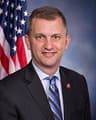 Sean Casten
Democrat · Illinois
 Angie Craig
Democrat · Minnesota
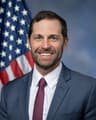 Jason Crow
Democrat · Colorado
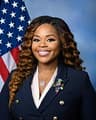 Sheila Cherfilus-McCormick
Democrat · Florida
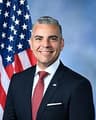 Juan Ciscomani
Republican · Arizona
 Suzan DelBene
Democrat · Washington
 Mark DeSaulnier
Democrat · California
 Debbie Dingell
Democrat · Michigan
 Sharice Davids
Democrat · Kansas
 Maxine Dexter
Democrat · Oregon
 Virginia Foxx
Republican · North Carolina
 Vicente Gonzalez
Democrat · Texas
 Josh Gottheimer
Democrat · New Jersey
 Jimmy Gomez
Democrat · California
 Jesús García
Democrat · Illinois
 Sylvia Garcia
Democrat · Texas
 Laura Gillen
Democrat · New York
 Adam Gray
Democrat · California
 Chrissy Houlahan
Democrat · Pennsylvania
 Henry Johnson
Democrat · Georgia
 Raja Krishnamoorthi
Democrat · Illinois
 Timothy Kennedy
Democrat · New York
 Teresa Leger Fernandez
Democrat · New Mexico
 Stephen Lynch
Democrat · Massachusetts
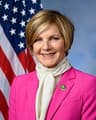 Susie Lee
Democrat · Nevada
 Michael Lawler
Republican · New York
 Doris Matsui
Democrat · California
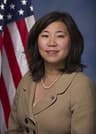 Grace Meng
Democrat · New York
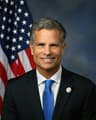 Daniel Meuser
Republican · Pennsylvania
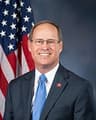 Gregory Murphy
Republican · North Carolina
 Seth Magaziner
Democrat · Rhode Island
 Jennifer McClellan
Democrat · Virginia
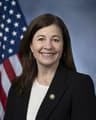 Kristen McDonald Rivet
Democrat · Michigan
 Sarah McBride
Democrat · Delaware
 Eleanor Norton
Democrat · District of Columbia
 Chellie Pingree
Democrat · Maine
 Scott Peters
Democrat · California
 Jimmy Panetta
Democrat · California
 Brittany Pettersen
Democrat · Colorado
 Deborah Ross
Democrat · North Carolina
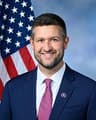 Patrick Ryan
Democrat · New York
 Josh Riley
Democrat · New York
 Maria Salazar
Republican · Florida
 David Scott
Democrat · Georgia
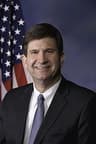 Bradley Schneider
Democrat · Illinois
 Thomas Suozzi
Democrat · New York
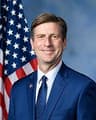 Greg Stanton
Democrat · Arizona
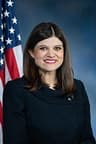 Haley Stevens
Democrat · Michigan
 Kim Schrier
Democrat · Washington
 Hillary Scholten
Democrat · Michigan
 Eric Sorensen
Democrat · Illinois
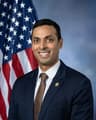 Suhas Subramanyam
Democrat · Virginia
 Mike Thompson
Democrat · California
 Jill Tokuda
Democrat · Hawaii
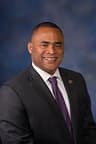 Marc Veasey
Democrat · Texas
 Jefferson Van Drew
Republican · New Jersey
 Gabe Vasquez
Democrat · New Mexico
 Eugene Vindman
Democrat · Virginia
 Debbie Wasserman Schultz
Democrat · Florida