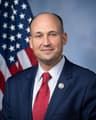
Nicholas Langworthy (R-NY)
Companion Animal Protection Against Cruel Testing Act
A Republican bill with 13 Democratic cosponsors · See all 20 cosponsors
Last activity — Referred to the House Committee on Energy and Commerce.
In committee
Introduced and handed to a committee in the chamber it started in.
The committee holds it, and most bills are never heard from again. A hearing or a committee vote would be news; silence is the usual outcome, and it kills the bill without anyone voting against it.
Its path through Congress
- Introduced
- In Committee
What this bill would do
This bill stops the Department of Health and Human Services from spending any money on biomedical research that uses live dogs or live cats. It requires organizations getting federal research money to follow strict rules, keep detailed records, and submit annual compliance certifications. The legislation also sets up a system to retire, adopt, or transfer animals that are no longer needed for research instead of automatically euthanizing them. Additionally, it provides specific protections for whistlebusters who report violations and mandates regular reports to Congress. The rules officially kick in 180 days after the bill becomes law.
Yes
- Scored +5
Does this make what the government does easier for the public to see?
The bill requires detailed annual reports to Congress and public availability of implementation data regarding research funding compliance.
- Scored +4
Does this protect the right to fair treatment by the courts?
The bill establishes formal notice and response procedures before the Secretary takes adverse administrative enforcement actions against funding recipients.
The opposite
No question was scored the opposite.
Who it would affect, and how
Potential Positive Impacts for People
-
Animal Rehoming: Under Section 4, organizations receiving federal funds are required to make reasonable efforts to retire, adopt, or transfer live dogs and live cats to animal sanctuaries, rescue groups, or adoption programs when they are no longer needed for research. This is a positive outcome for animal lovers and rescue organizations wanting to see these animals placed in safe homes.
-
Whistleblower Protection: Under Section 10, employees, contractors, and students are legally protected from retaliation if they report a suspected violation in good faith, participate in an investigation, or refuse to take part in illegal research activities. This ensures that everyday workers can hold officials and institutions accountable without fear of losing their jobs.
-
Taxpayer Accountability: Under Sections 7 and 11, institutions must keep meticulous financial records, submit to audits, and face strict enforcement actions like funding cuts or debarment if they break the rules. This benefits everyday people by ensuring that our tax dollars are not being wasted or misused on banned animal testing projects.
Potential Negative Impacts for People
-
Potential Administrative Burdens for Researchers: Under Section 6 and Section 7, research recipients must complete detailed pre-funding and annual certifications, and keep all relevant procurement and financial records for at least six years. While this increases oversight, it creates extra paperwork and administrative hurdles for scientists and institutions relying on grants.
-
Strict Limits on Medical Research: Under Section 3, the complete ban on spending Department of Health and Human Services funds for live dog and cat biomedical research means certain scientific studies cannot be funded. For researchers who rely on federal grants for this specific type of work, this restriction could halt projects and slow down certain medical developments unless a strict emergency waiver is granted under Section 5.
Groups and Interests Ranking
Every group the model scored this bill for, from -10 to +10. Tap or hover a score for the reason it gave.
- Governance And Ideology
- Does this make what the government does easier for the public to see? — The bill requires detailed annual reports to Congress and public availability of implementation data regarding research funding compliance. Does this protect the right to fair treatment by the courts? — The bill establishes formal notice and response procedures before the Secretary takes adverse administrative enforcement actions against funding recipients.
- 11/2/2026
- 1 Cosponsor added.
- 10/26/2026
- 1 Cosponsor added.
- 10/22/2026
- 3 Cosponsors added.
- 10/15/2026
- 3 Cosponsors added.
- 10/1/2026
- 3 Cosponsors added.
- 9/24/2026
- 2 Cosponsors added.
- 9/21/2026
- Referred to the House Committee on Energy and Commerce.
- 7 Cosponsors added.
- Introduced in House
 J. Correa
Democrat · California
 Lloyd Doggett
Democrat · Texas
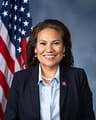 Veronica Escobar
Democrat · Texas
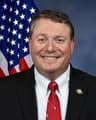 Randy Fine
Republican · Florida
 Paul Gosar
Republican · Arizona
 Ro Khanna
Democrat · California
 Young Kim
Republican · California
 Anna Paulina Luna
Republican · Florida
 Michael Lawler
Republican · New York
 James McGovern
Democrat · Massachusetts
 Eleanor Norton
Democrat · District of Columbia
 Mark Pocan
Democrat · Wisconsin
 Mike Quigley
Democrat · Illinois
 Patrick Ryan
Democrat · New York
 Dina Titus
Democrat · Nevada
 Claudia Tenney
Republican · New York
 Rashida Tlaib
Democrat · Michigan
 Jefferson Van Drew
Republican · New Jersey
 Eugene Vindman
Democrat · Virginia
 Debbie Wasserman Schultz
Democrat · Florida