
John Barrasso (R-WY)
A resolution designating July 25, 2026, as "National Day of the American Cowboy".
A Republican resolution with 2 Democratic cosponsors · See all 16 cosponsors
Last activity — Submitted in the Senate, considered, and agreed to without amendment and with a preamble by Unanimous Consent. (consideration: CR S4274; text: CR S4269-4270)
Adopted
The chamber formally agreed to it, and for a resolution that is the finish line: what it says is now officially the chamber's position, rule or tribute.
Nothing more is needed. A resolution is how a chamber speaks for itself or sets its own rules, so adopting it is what puts it into effect. It is not a law, so there is nothing for the President to sign.
Its path through Congress
- Introduced
- Officially Recorded
- Adopted by the Senate unanimous consent
A Senate resolution is the Senate speaking for itself: stating a position, honouring someone, or setting its own rules. Adopting it is the whole process. Once the Senate agrees to it, it is officially the Senate's word; it is not a law, so the House and the President have no part in it.
The Senate by unanimous consent (no one objected, so there was no vote): no senator's position on it was recorded.
What this bill would do
This resolution designates July 25, 2026, as the "National Day of the American Cowboy." It recognizes the historical role of cowboys in establishing the American West. The text highlights the various values and cultural contributions associated with the cowboy archetype. It also notes the economic importance of ranchers and the popularity of rodeo events. Finally, the Senate encourages the public to observe this day through various activities.
Yes· 3 of 11
- Scored +1
Would people in their twenties and thirties be better off under this?
The text notes that participation in cowboy traditions and rodeo spans every generation.
- Scored +1
Would middle-income households be better off under this?
The bill recognizes the economic contributions of many thousands of ranchers across the United States.
- Scored +1
Would business owners be better off under this?
The resolution highlights the economic role and livelihood of those working in the ranching industry.
The opposite
No question was scored the opposite.
Who it would affect, and how
Potential Positive Impacts for People
-
Recognition of Contributions: The resolution acknowledges the ongoing contributions made by cowboys and cowgirls to their communities, which the text says should be recognized and encouraged.
-
Economic Importance: The bill notes that the cowboy continues to be an important part of the economy through the work of many thousands of ranchers who contribute to the economic well-being of every State.
-
Cultural Celebration: The resolution encourages the people of the United States to observe the designated day with appropriate ceremonies and activities.
Potential Negative Impacts for People
- No negative impacts are explicitly stated in the text provided.
Groups and Interests Ranking
Every group the model scored this bill for, from -10 to +10. Tap or hover a score for the reason it gave.
- Demographic And Interest Groups
- Would business owners be better off under this? — The resolution highlights the economic role and livelihood of those working in the ranching industry. Would farmers be better off under this? — The resolution highlights the economic and cultural importance of ranching and land stewardship. Would Hispanic Americans be better off under this? — The bill states that the cowboy archetype and rodeo traditions transcend race and gender. Would middle-income households be better off under this? — The bill recognizes the economic contributions of many thousands of ranchers across the United States. Would people in rural areas be better off under this? — The bill celebrates the culture and economic activity associated with the American West and ranching. Would women be better off under this? — The bill specifically recognizes the ongoing contributions of cowgirls to their communities. Would people in their twenties and thirties be better off under this? — The text notes that participation in cowboy traditions and rodeo spans every generation.
- Economy And Finance
- Does this make it easier to run a small business? — The resolution recognizes the economic importance of the work performed by many thousands of ranchers. Is this likely to create jobs? — The bill highlights the ongoing economic importance of thousands of ranchers and the popularity of rodeo events.
- Environment Energy And Infrastructure
- Does this better protect air, water and wildlife? — The bill describes the cowboy as an excellent steward of the land and its creatures.
- Social Issues And Justice
- Is this likely to lift people out of poverty? — The bill acknowledges the economic well-being contributed by ranchers to every State.
- 7/23/2026
- Passed/agreed to in Senate: Submitted in the Senate, considered, and agreed to without amendment and with a preamble by Unanimous Consent. (consideration: CR S4274; text: CR S4269-4270)
- Submitted in the Senate, considered, and agreed to without amendment and with a preamble by Unanimous Consent. (consideration: CR S4274; text: CR S4269-4270)
- 16 Cosponsors added.
- Bill introduced.
One bill Congress.gov lists as related to this one — companions in the other chamber, earlier versions, and bills this one absorbed or was folded into.
 Mike Crapo
Republican · Idaho
 Kevin Cramer
Republican · North Dakota
 Ted Cruz
Republican · Texas
 Catherine Cortez Masto
Democrat · Nevada
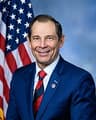 John Curtis
Republican · Utah
 Steve Daines
Republican · Montana
 Deb Fischer
Republican · Nebraska
 John Hickenlooper
Democrat · Colorado
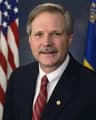 John Hoeven
Republican · North Dakota
 Cindy Hyde-Smith
Republican · Mississippi
 Cynthia Lummis
Republican · Wyoming
 James Lankford
Republican · Oklahoma
 Jerry Moran
Republican · Kansas
 Roger Marshall
Republican · Kansas
 James Risch
Republican · Idaho
 Pete Ricketts
Republican · Nebraska