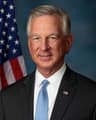
Tommy Tuberville (R-AL)
Stop Settlement Slush Funds Act of 2026
A Republican bill with 4 Republican cosponsors · See all 4 cosponsors
Last activity — Read twice and referred to the Committee on the Judiciary.
In committee
Introduced and handed to a committee in the chamber it started in.
The committee holds it, and most bills are never heard from again. A hearing or a committee vote would be news; silence is the usual outcome, and it kills the bill without anyone voting against it.
Its path through Congress
- Introduced
- In Committee
What this bill would do
The "Stop Settlement Slush Funds Act of 2026" limits the types of payments that can be made in settlement agreements involving the United States. Government officials cannot require payments to entities other than the U.S. unless the money provides restitution for actual harm, remedies environmental damage, or pays for services related to the case. Officials who violate these rules face penalties under section 3302 of title 31, United States Code. The bill also requires federal agencies to report these specific settlement payments to the Congressional Budget Office annually. Additionally, the Inspector General of each agency must publicly report any settlements that violate the Act.
Yes· 3 of 4
- Scored +8
Does this make what the government does easier for the public to see?
Requires reporting of settlement payments to the CBO and public reports of violations via the Inspector General.
- Scored +5
Does this make the government pay for what it commits to?
Increases oversight of government settlement funds and prohibits the use of 'slush funds' for non-restitutive payments.
- Scored +2
Does this better protect air, water and wildlife?
Explicitly allows settlement payments that remedy environmental damage caused by the paying party.
The opposite
- Scored -2
Would business owners be better off under this?
Limits the ability of businesses to resolve lawsuits via discretionary donations to third parties.
Who it would affect, and how
Potential Positive Impacts for People
-
Accountability for Government Officials: Section 2(b) establishes that officials or agents of the Government who violate the donation limits are subject to penalties, which holds them accountable for their actions.
-
Transparency of Funds: Section 2(e)(1) requires reports on settlement payments to be submitted to the Congressional Budget Office, including who the parties are and how funds are distributed.
-
Public Oversight: Section 2(f)(1) requires the Inspector General to make reports of settlement violations available on a publicly accessible website.
Potential Negative Impacts for People
- Restriction on Settlement Payments: Section 2(a) prohibits settlement payments to any person or entity other than the United States, unless the payment is for services, restitution, or remedying actual harm.
Groups and Interests Ranking
Every group the model scored this bill for, from -10 to +10. Tap or hover a score for the reason it gave.
- Governance And Ideology
- Does this make what the government does easier for the public to see? — Requires reporting of settlement payments to the CBO and public reports of violations via the Inspector General.
- Economy And Finance
- Does this make the government pay for what it commits to? — Increases oversight of government settlement funds and prohibits the use of 'slush funds' for non-restitutive payments. Does this reduce what the federal government owes? — By limiting settlement payments to third parties, more funds may potentially be returned to the U.S. Treasury.
- Demographic And Interest Groups
- Would business owners be better off under this? — Limits the ability of businesses to resolve lawsuits via discretionary donations to third parties.
- Environment Energy And Infrastructure
- Does this better protect air, water and wildlife? — Explicitly allows settlement payments that remedy environmental damage caused by the paying party.
- 7/14/2026
- Read twice and referred to the Committee on the Judiciary.
- 4 Cosponsors added.
- Introduced in Senate
One bill Congress.gov lists as related to this one — companions in the other chamber, earlier versions, and bills this one absorbed or was folded into.
 Ted Budd
Republican · North Carolina
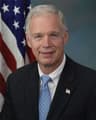 Ron Johnson
Republican · Wisconsin
 Mike Lee
Republican · Utah
 Rick Scott
Republican · Florida