
A Republican bill with 2 Democratic cosponsors · See all 5 cosponsors
Last activity — Read twice and referred to the Committee on Health, Education, Labor, and Pensions.
In committee
Introduced and handed to a committee in the chamber it started in.
The committee holds it, and most bills are never heard from again. A hearing or a committee vote would be news; silence is the usual outcome, and it kills the bill without anyone voting against it.
Its path through Congress
- Introduced
- In Committee
What this bill would do
This bill is known as the Public health Response and Emergency Detection through Integrated wastewater Community Testing Act or the PREDICT Act. It requires the Secretary, acting through the Director of the Centers for Disease Control and Prevention, to award grants, contracts, or cooperative agreements to eligible entities. These funds are meant to establish, maintain, or improve activities related to detecting and monitoring infectious diseases through wastewater. Eligible entities include State, Tribal, or local health departments, or partnerships between those health departments and other public and private entities. The bill also directs the Secretary to issue draft guidance and establish standards for wastewater testing methods and data reporting. Finally, the legislation authorizes the appropriation of such sums as may be necessary for each of fiscal years 2026 through 2030 to carry out this section.
Yes· 3 of 21
- Scored +8
Does this make the country readier for the next outbreak?
The legislation establishes grant programs and standards specifically aimed at detecting and monitoring infectious diseases through wastewater to improve public health emergency preparedness.
- Scored +6
Does this make health care easier to get in general?
The bill enhances public health surveillance and infectious disease monitoring, improving overall health emergency preparedness and access to public health data.
- Scored +6
Does this put more money into medical research?
The bill supports ongoing research on wastewater surveillance to detect and monitor emerging infectious diseases.
The opposite
No question was scored the opposite.
Who it would affect, and how
Potential Positive Impacts for People
-
Under Section 2, adding section 2827(d)(2), funds can be used to conduct wastewater surveillance at individual facilities, institutions, and locations in rural areas with an increased risk of infectious disease outbreaks where wastewater is not treated through the local utility. This is a positive outcome because it helps monitor diseases in rural or high-risk areas that might otherwise be missed.
-
Under Section 2, adding section 2827(g)(2)(B), the Secretary must establish standards for wastewater sample data reporting to be published in a publicly available wastewater surveillance database and dashboard. This provides transparency so that everyday people can access data generated through these surveillance activities.
Potential Negative Impacts for People
- Based on the provided text, there are no specific sections or provisions identified that outline negative consequences or burdens for individuals or groups of people in the United States.
Groups and Interests Ranking
Every group the model scored this bill for, from -10 to +10. Tap or hover a score for the reason it gave.
- Demographic And Interest Groups
- Would people in rural areas be better off under this? — The bill specifically directs funds toward conducting wastewater surveillance at locations in rural areas with an increased risk of disease outbreaks. Would people over 65 be better off under this? — Seniors, who are often more vulnerable to infectious diseases, benefit significantly from enhanced early detection and emergency preparedness. Would children be better off under this? — Enhanced infectious disease monitoring and early outbreak detection protect children's health within communities. Would households on low incomes be better off under this? — Low-income households benefit from enhanced public health protections and community disease tracking that may not otherwise be accessible. Would people in middle age be better off under this? — Improved infectious disease surveillance benefits middle-aged adults by providing early warnings of health threats. Would Native Americans be better off under this? — The legislation explicitly includes Tribal health departments as eligible entities for receiving grants and participating in surveillance programs. Would people with disabilities be better off under this? — Individuals with underlying health conditions or disabilities benefit from enhanced community-level infectious disease surveillance. Would retired people be better off under this? — Retirees benefit from improved public health safety measures and early warnings regarding infectious disease outbreaks. Would people in cities be better off under this? — Urban health departments and densely populated local utilities benefit directly from wastewater testing grants and standards. Would people in their twenties and thirties be better off under this? — Broader public health tracking helps safeguard young adults against community-spread pathogens. Would Black Americans be better off under this? — Equitable public health surveillance helps protect minority communities that can be disproportionately impacted by outbreaks. Would Hispanic Americans be better off under this? — Enhanced pathogen detection supports overall health outcomes in diverse communities. Would middle-income households be better off under this? — General public health improvements benefit middle-class households through safer communities and transparent disease tracking data.
- Healthcare
- Does this make the country readier for the next outbreak? — The legislation establishes grant programs and standards specifically aimed at detecting and monitoring infectious diseases through wastewater to improve public health emergency preparedness. Does this make health care easier to get in general? — The bill enhances public health surveillance and infectious disease monitoring, improving overall health emergency preparedness and access to public health data. Does this put more money into medical research? — The bill supports ongoing research on wastewater surveillance to detect and monitor emerging infectious diseases.
- Governance And Ideology
- Does this make what the government does easier for the public to see? — The bill requires the establishment of a publicly available wastewater surveillance database and dashboard to ensure transparency. Does this leave more decisions to the states? — The bill empowers State, Tribal, and local health departments through federal grants and cooperative agreements. Does this give the federal government more power? — The legislation increases federal coordination and standard-setting for public health wastewater surveillance.
- Education And Technology
- Does this put more money into scientific research? — The bill supports continued research to improve wastewater sample collection, analysis, and testing methods.
- Environment Energy And Infrastructure
- Does this invest in rural communities? — The bill specifically provides for wastewater surveillance in rural areas at increased risk for infectious disease outbreaks, aiding rural health infrastructure.
- 3/11/2026
- Read twice and referred to the Committee on Health, Education, Labor, and Pensions.
- 5 Cosponsors added.
- Introduced in Senate
 Cory Booker
Democrat · New Jersey
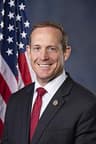 Ted Budd
Republican · North Carolina
 Maggie Hassan
Democrat · New Hampshire
 Angus King
Independent · Maine
 Roger Wicker
Republican · Mississippi