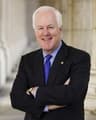
A Republican bill with 2 Democratic cosponsors · See all 8 cosponsors
Last activity — Placed on Senate Legislative Calendar under General Orders. Calendar No. 500.
Cleared committee, waiting for its first floor vote
A committee approved it and it is on the calendar of the chamber it started in.
This is further than most bills get, and still no promise of a vote: the calendar is a queue, and the majority leadership decides what is called. A bill can sit here until the Congress ends.
Its path through Congress
- Introduced
- On Calendar
What this bill would do
This bill is known as the Preventing Adversary Influence, Disinformation, and Obscured Foreign Financing Act of 2025 or the PAID OFF Act of 2025. It amends the Foreign Agents Registration Act of 1938 to modify requirements regarding exemptions. Specifically, certain exemptions will no longer apply to agents of foreign principals that are corporate or government entities owned or controlled by identified countries of concern. The bill also creates a mechanism for the Secretary of State, in consultation with the Attorney General, to propose additions or deletions to the definition of "country of concern" through a joint resolution of approval by Congress. Finally, the amendments made by this Act terminate five years after the date of enactment.
Yes· 3 of 5
- Scored +6
Does this make what the government does easier for the public to see?
The legislation mandates stricter disclosures and congressional oversight for foreign agents tied to countries of concern.
- Scored +6
Does this better protect the country from computer attacks?
By tightening foreign agent registration rules for countries of concern, the bill helps mitigate foreign influence and information operations.
- Scored +5
Does this limit the influence of paid lobbyists?
By closing registration exemptions for entities controlled by adversarial nations, the bill increases transparency in foreign lobbying.
The opposite
No question was scored the opposite.
Who it would affect, and how
Potential Positive Impacts for People
-
Removal of Exemptions: Under Section 2, certain exemptions (subsections (d)(1), (d)(2), and (h)) will not apply to any agent of a foreign principal that is a corporate or government entity owned or controlled by identified countries of concern. This ensures tighter oversight and holds foreign agents accountable by preventing them from utilizing these specific exemptions.
-
Congressional Oversight of Countries of Concern: Under Section 3, the Secretary of State must submit any proposed additions or deletions of countries of concern to specific congressional committees, and the proposal only becomes effective upon the enactment of a joint resolution of approval. This provision keeps elected officials involved in deciding which countries are officially designated as concerns.
Potential Negative Impacts for People
- Burdens on Compliance: Under Section 2, removing specific exemptions for agents connected to corporate or government entities owned or controlled by identified countries of concern means those entities and agents face stricter regulatory burdens and lose previously available exemptions under the Foreign Agents Registration Act of 1938.
Groups and Interests Ranking
Every group the model scored this bill for, from -10 to +10. Tap or hover a score for the reason it gave.
- Governance And Ideology
- Does this make what the government does easier for the public to see? — The legislation mandates stricter disclosures and congressional oversight for foreign agents tied to countries of concern. Does this limit the influence of paid lobbyists? — By closing registration exemptions for entities controlled by adversarial nations, the bill increases transparency in foreign lobbying. Does this give the federal government more power? — The bill expands federal oversight and regulatory authority over foreign agents under the Foreign Agents Registration Act.
- National Security And Foreign Policy
- Does this better protect the country from computer attacks? — By tightening foreign agent registration rules for countries of concern, the bill helps mitigate foreign influence and information operations.
- Social Issues And Justice
- Does this tighten control of the border? — The bill enhances oversight of foreign agents and adversaries, contributing to national security and border-related protections.
- 7/27/2026
- Committee on Foreign Relations. Reported by Senator Risch without amendment. Without written report.
- Placed on Senate Legislative Calendar under General Orders. Calendar No. 500.
- 6/17/2026
- Committee on Foreign Relations. Ordered to be reported without amendment favorably.
- 10/23/2025
- Read twice and referred to the Committee on Foreign Relations.
- 8 Cosponsors added.
- Introduced in Senate
2 bills Congress.gov lists as related to this one — companions in the other chamber, earlier versions, and bills this one absorbed or was folded into.
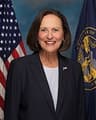 Deb Fischer
Republican · Nebraska
 Chuck Grassley
Republican · Iowa
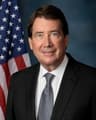 Bill Hagerty
Republican · Tennessee
 John Kennedy
Republican · Louisiana
 James Risch
Republican · Idaho
 Thomas Tillis
Republican · North Carolina
 Peter Welch
Democrat · Vermont
 Sheldon Whitehouse
Democrat · Rhode Island