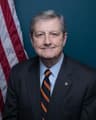
John Kennedy (R-LA)· Sep 19, 2025
S.Amdt. 3912: In the nature of a substitute.
Adopted
With no one objecting, no names recorded
John Kennedy (R-LA)
A Republican bill with 3 Democratic cosponsors · See all 5 cosponsors
Last activity — Became Public Law No: 119-77.
Became law
Passed both chambers and was signed by the President, or became law without a signature.
Nothing more in Congress: it is law. When it takes effect depends on the dates written into it — some parts start at once, others a year or more later.
Its path through Congress
No one's position on it was recorded: the Senate by unanimous consent (no one objected, so there was no vote), and the House by voice vote (members called out yes or no together).
The "Ending Improper Payments to Deceased People Act" aims to improve coordination between Federal and State agencies and the Do Not Pay working system. It directs the Commissioner of Social Security to provide information to the Do Not Pay working system to prevent and recover improper payments. The bill requires an agreement regarding the proportional share of State death data costs. It also mandates that clear and convincing evidence be found before recording a death. Additionally, the Commissioner must notify cooperating agencies if an individual was incorrectly identified as deceased.
Does this make the government pay for what it commits to?
Enhances oversight and coordination to eliminate improper payments.
Does this protect the right to fair treatment by the courts?
Requires clear and convincing evidence before recording a death to protect individuals from being incorrectly identified as deceased.
Does this reduce what the federal government spends?
Reduces wasteful spending by improving the identification of deceased recipients.
No question was scored the opposite.
Prevention of improper payments: By providing information to the Do Not Pay working system, the bill helps prevent benefits or other payments from being paid improperly (Section 2(a)).
Error correction: The bill requires the Commissioner of Social Security to notify agencies of errors when individuals are incorrectly identified as deceased (Section 2(b)).
Evidence requirement: The Commissioner cannot record a death unless there is clear and convincing evidence that the individual should be presumed deceased (Section 2(a)).
Every group the model scored this bill for, from -10 to +10. Tap or hover a score for the reason it gave.
The text as it became law
The final version, on its way to the President
John Kennedy (R-LA)· Sep 19, 2025
Adopted
With no one objecting, no names recorded
One bill Congress.gov lists as related to this one — companions in the other chamber, earlier versions, and bills this one absorbed or was folded into.
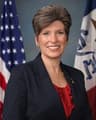
Republican · Iowa

Democrat · New Hampshire

Republican · Florida

Democrat · Michigan
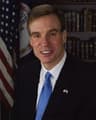
Democrat · Virginia