
A Republican bill with 4 Republican cosponsors · See all 4 cosponsors
Last activity — Read twice and referred to the Committee on Finance.
In committee
Introduced and handed to a committee in the chamber it started in.
The committee holds it, and most bills are never heard from again. A hearing or a committee vote would be news; silence is the usual outcome, and it kills the bill without anyone voting against it.
Its path through Congress
- Introduced
- In Committee
What this bill would do
This bill, known as the "Tanning Tax Repeal Act of 2025," aims to amend the Internal Revenue Code of 1986. The primary purpose is to repeal the existing excise tax on indoor tanning services. If passed, the changes would take effect for services performed after the date the Act is enacted. This legislation was introduced by Mr. Paul and several others.
Yes· 3 of 13
- Scored +5
Would business owners be better off under this?
Business owners in the tanning industry benefit from lower tax liabilities.
- Scored +5
Does this cut taxes for small businesses?
Removing the excise tax reduces the tax burden on small business owners operating tanning services.
- Scored +5
Does this make it easier to run a small business?
Small businesses in the tanning industry benefit from the removal of the excise tax.
The opposite
- Scored -1
Does this reduce what the federal government owes?
Repealing a tax revenue source will slightly decrease federal revenue.
- Scored -1
Does this make the government pay for what it commits to?
The repeal results in a loss of federal tax revenue.
- Scored -1
Does this give the federal government more power?
While it reduces a specific tax, the federal government's role in taxing the industry is being diminished.
Who it would affect, and how
Potential Positive Impacts for People
- Repeal of Excise Tax: By striking the chapter related to the current tax, the bill would remove the excise tax on indoor tanning services (Section 2(a)). This could result in lower costs for consumers seeking these services.
Potential Negative Impacts for People
- No negative impacts are explicitly mentioned in the text.
Groups and Interests Ranking
Every group the model scored this bill for, from -10 to +10. Tap or hover a score for the reason it gave.
- Demographic And Interest Groups
- Would business owners be better off under this? — Business owners in the tanning industry benefit from lower tax liabilities. Would middle-income households be better off under this? — The tax repeal provides a direct reduction in the cost of luxury personal services for the middle class. Would high-income households be better off under this? — High income households will benefit slightly from the lower cost of services. Would men be better off under this? — Men will benefit from lower service costs as consumers of these services. Would people in middle age be better off under this? — Middle-aged consumers will benefit from the removal of the excise tax on services. Would students be better off under this? — Students seeking tanning services will benefit from the removal of the excise tax. Would women be better off under this? — As a large demographic of the tanning industry, women will benefit from lower service costs. Would people in their twenties and thirties be better off under this? — Young adults are a high-frequency demographic for tanning services and will see a cost reduction.
- Economy And Finance
- Does this make it easier to run a small business? — Small businesses in the tanning industry benefit from the removal of the excise tax. Does this cut taxes for small businesses? — Removing the excise tax reduces the tax burden on small business owners operating tanning services. Does this cut taxes for middle-income families? — The repeal of the excise tax will lower the effective cost of tanning services for middle-class consumers. Is this likely to grow the economy? — Reducing specific excise taxes can provide a minor stimulus to the targeted service sector. Is this likely to create jobs? — Lower costs for services may lead to increased demand and potential job growth in the tanning industry. Does this make the government pay for what it commits to? — The repeal results in a loss of federal tax revenue. Does this reduce what the federal government owes? — Repealing a tax revenue source will slightly decrease federal revenue.
- Governance And Ideology
- Does this give the federal government more power? — While it reduces a specific tax, the federal government's role in taxing the industry is being diminished.
- 6/17/2025
- 1 Cosponsor added.
- 5/22/2025
- Read twice and referred to the Committee on Finance.
- 3 Cosponsors added.
- Introduced in Senate
One bill Congress.gov lists as related to this one — companions in the other chamber, earlier versions, and bills this one absorbed or was folded into.
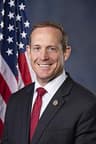 Ted Budd
Republican · North Carolina
 Kevin Cramer
Republican · North Dakota
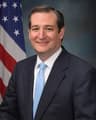 Ted Cruz
Republican · Texas
 Pete Ricketts
Republican · Nebraska