
A Democratic bill with 4 Republican cosponsors · See all 14 cosponsors
Last activity — Read twice and referred to the Committee on Health, Education, Labor, and Pensions.
In committee
Introduced and handed to a committee in the chamber it started in.
The committee holds it, and most bills are never heard from again. A hearing or a committee vote would be news; silence is the usual outcome, and it kills the bill without anyone voting against it.
Its path through Congress
- Introduced
- In Committee
What this bill would do
The BRAIN Act aims to advance medical research to achieve breakthroughs in brain tumor treatment. The bill seeks to improve the adequacy and awareness of specialized cancer care. It establishes a research program called the Glioblastoma Therapeutics Network to evaluate therapeutic agents. Additionally, it funds research into brain tumor-related cellular immunotherapy, such as CAR-T. The legislation also creates a national awareness campaign regarding clinical trials and biomarker testing. Finally, it authorizes pilot programs to improve the monitoring and care of brain tumor survivors.
Yes· 3 of 9
- Scored +8
Does this put more money into medical research?
The bill authorizes substantial funding for brain tumor research, including the Glioblastoma Therapeutics Network and immunotherapy.
- Scored +8
Does this put more money into scientific research?
The bill allocates significant resources to advance medical research in brain tumor treatments.
- Scored +7
Does this make health care easier to get in general?
The bill funds research, awareness, and survivorship programs to improve access to specialized brain tumor care.
The opposite
No question was scored the opposite.
Who it would affect, and how
Potential Positive Impacts for People
-
Improved Treatment Research: The creation of the Glioblastoma Therapeutics Network aims to improve the treatment of glioblastoma by evaluating therapeutic agents through early-phase clinical trials (Section 4).
-
Advancement in Immunotherapy: The bill supports the development of multi-institutional research for brain tumor-related cancer cellular immunotherapy, including CAR-T, for both adult and pediatric patients (Section 4).
-
Increased Information Access: The Secretary may establish a searchable website to make information regarding the existence, location, and description of covered biospecimen collections accessible to the public (Section 3).
-
Greater Public Awareness: A national campaign will increase knowledge among patients, caregivers, and health care providers regarding the importance of, and how to access, cancer clinical trials and biomarker testing (Section 5).
-
Targeted Outreach: The national campaign is required to include culturally and linguistically competent communications targeted toward specific populations at higher risk of cancer and rural communities (Section 5).
-
Enhanced Survivor Care: Pilot programs may develop and evaluate better approaches for monitoring and caring for brain tumor survivors, including multidisciplinary care and psychosocial support (Section 6).
Potential Negative Impacts for People
- Funding Withholding Risk: The Secretary may withhold funding from individuals or entities that commit repeated or egregious violations regarding the reporting of biospecimen collections (Section 3).
Groups and Interests Ranking
Every group the model scored this bill for, from -10 to +10. Tap or hover a score for the reason it gave.
- Healthcare
- Does this put more money into medical research? — The bill authorizes substantial funding for brain tumor research, including the Glioblastoma Therapeutics Network and immunotherapy. Does this make health care easier to get in general? — The bill funds research, awareness, and survivorship programs to improve access to specialized brain tumor care.
- Demographic And Interest Groups
- Would children be better off under this? — The bill specifically funds research for pediatric brain tumors. Would people in rural areas be better off under this? — The bill includes outreach and demonstration projects specifically designed to reach rural communities. Would people in their twenties and thirties be better off under this? — The bill addresses treatments for pediatric and young adult brain tumor patients.
- Education And Technology
- Does this put more money into scientific research? — The bill allocates significant resources to advance medical research in brain tumor treatments.
- Governance And Ideology
- Does this make what the government does easier for the public to see? — The bill increases transparency by establishing a searchable website for biospecimen collections.
- Social Issues And Justice
- Does this narrow racial gaps in how people are treated? — The bill includes provisions for culturally competent communications targeted at high-risk populations based on race and ethnicity.
- Environment Energy And Infrastructure
- Does this invest in rural communities? — The bill includes targeted outreach and demonstration projects specifically for rural communities.
- 5/18/2026
- 2 Cosponsors added.
- 5/13/2026
- 1 Cosponsor added.
- 5/12/2026
- 2 Cosponsors added.
- 12/16/2025
- 1 Cosponsor added.
- 12/10/2025
- 1 Cosponsor added.
- 9/10/2025
- 1 Cosponsor added.
- 7/17/2025
- 1 Cosponsor added.
- 5/22/2025
- 2 Cosponsors added.
- 4/8/2025
- Read twice and referred to the Committee on Health, Education, Labor, and Pensions.
- 3 Cosponsors added.
- Introduced in Senate
One bill Congress.gov lists as related to this one — companions in the other chamber, earlier versions, and bills this one absorbed or was folded into.
 Angela Alsobrooks
Democrat · Maryland
 John Barrasso
Republican · Wyoming
 Jim Banks
Republican · Indiana
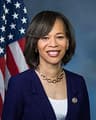 Lisa Blunt Rochester
Democrat · Delaware
 Christopher Coons
Democrat · Delaware
 Steve Daines
Republican · Montana
 Kirsten Gillibrand
Democrat · New York
 Ruben Gallego
Democrat · Arizona
 Mark Kelly
Democrat · Arizona
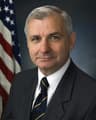 John Reed
Democrat · Rhode Island
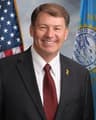 Mike Rounds
Republican · South Dakota
 Adam Schiff
Democrat · California
 Jeanne Shaheen
Democrat · New Hampshire
 Chris Van Hollen
Democrat · Maryland