A Republican bill with 30 Republican cosponsors · See all 30 cosponsors
Last activity — Referred to the House Committee on Energy and Commerce.
In committee
Introduced and handed to a committee in the chamber it started in.
The committee holds it, and most bills are never heard from again. A hearing or a committee vote would be news; silence is the usual outcome, and it kills the bill without anyone voting against it.
Its path through Congress
- Introduced
- In Committee
What this bill would do
This bill is called the Hydropower Licensing Affordability Act, and it was introduced in the House of Representatives on June 18, 2026. The legislation aims to amend the Federal Power Act to modernize how hydropower licenses are processed. Specifically, the bill focuses on the scope of federal reservation license conditions and prescribed fishways. It limits certain requirements to only apply when they reasonably mitigate direct adverse effects. This is meant to keep our elected officials and federal processes accountable regarding hydropower projects.
Yes· 3 of 7
- Scored +4
Would business owners be better off under this?
Reduces the regulatory and financial burden on hydropower project owners.
- Scored +3
Does this put more money into wind, solar and other renewable power?
Modernizing and reducing the cost of licensing encourages investment in hydropower projects.
- Scored +2
Is this likely to grow the economy?
Streamlining licensing processes for hydropower can reduce costs for energy producers and encourage project development.
The opposite· 3 of 4
- Scored -4
Does this better protect air, water and wildlife?
The bill narrows the scope of fishway and reservation protections to only 'direct adverse effects'.
- Scored -3
Would Native Americans be better off under this?
Restricting license conditions on reservations to only direct adverse effects may reduce protections for tribal lands.
- Scored -2
Does this give the federal government more power?
The bill limits the scope of federal agency requirements for licensing conditions.
Who it would affect, and how
Potential Positive Impacts for People
-
Section 2: This section amends the Federal Power Act to ensure that federal reservation license conditions are used to reasonably mitigate the direct adverse effect of the applicable project on the reservation. This could be positive because it prevents overreach and keeps license conditions focused directly on protecting the reservation.
-
Section 3: This section ensures that prescribed fishways are limited to reasonably mitigating the direct adverse effect of the applicable project on a fish species' population in the river system. This is a positive step to make sure fishway prescriptions are directly tied to solving actual harm caused by the project.
Potential Negative Impacts for People
- Based on the provided text, there are no explicitly stated negative consequences, burdens, sections, or provisions identified for individuals or groups of people in the United States.
Groups and Interests Ranking
Every group the model scored this bill for, from -10 to +10. Tap or hover a score for the reason it gave.
- Economy And Finance
- Is this likely to grow the economy? — Streamlining licensing processes for hydropower can reduce costs for energy producers and encourage project development. Does this make it easier to run a small business? — Reducing the scope of license conditions may lower regulatory costs for smaller hydropower operators.
- Demographic And Interest Groups
- Would business owners be better off under this? — Reduces the regulatory and financial burden on hydropower project owners. Would people in rural areas be better off under this? — Supports energy infrastructure and viability of hydropower projects often located in rural areas. Would Native Americans be better off under this? — Restricting license conditions on reservations to only direct adverse effects may reduce protections for tribal lands.
- Governance And Ideology
- Does this give the federal government more power? — The bill limits the scope of federal agency requirements for licensing conditions.
- Environment Energy And Infrastructure
- Does this put more money into wind, solar and other renewable power? — Modernizing and reducing the cost of licensing encourages investment in hydropower projects. Does this invest in rural communities? — Hydropower projects are often located in rural areas and their viability supports local energy infrastructure. Does this cut the pollution that drives climate change? — By making hydropower licensing more affordable, it may encourage the use of renewable energy. Does this better protect air, water and wildlife? — The bill narrows the scope of fishway and reservation protections to only 'direct adverse effects'. Does this better protect public land such as parks and forests? — Restricting the ability to mitigate indirect effects on reservations may negatively impact land management goals.
- 9/28/2026
- 1 Cosponsor added.
- 9/2/2026
- 1 Cosponsor added.
- 8/31/2026
- 3 Cosponsors added.
- 8/3/2026
- 1 Cosponsor added.
- 7/30/2026
- 2 Cosponsors added.
- 7/23/2026
- 1 Cosponsor added.
- 7/16/2026
- 1 Cosponsor added.
- 7/14/2026
- 2 Cosponsors added.
- 7/13/2026
- 4 Cosponsors added.
- 6/30/2026
- 1 Cosponsor added.
- 6/29/2026
- 1 Cosponsor added.
- 6/25/2026
- 1 Cosponsor added.
- 6/18/2026
- Referred to the House Committee on Energy and Commerce.
- 11 Cosponsors added.
- Introduced in House
One bill Congress.gov lists as related to this one — companions in the other chamber, earlier versions, and bills this one absorbed or was folded into.
 Mark Amodei
Republican · Nevada
 Mike Bost
Republican · Illinois
 Troy Balderson
Republican · Ohio
 Michael Baumgartner
Republican · Washington
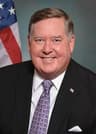 Ken Calvert
Republican · California
 Earl Carter
Republican · Georgia
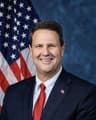 Jeff Crank
Republican · Colorado
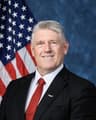 Troy Downing
Republican · Montana
 Gabe Evans
Republican · Colorado
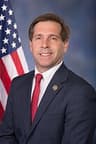 Charles Fleischmann
Republican · Tennessee
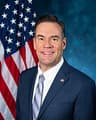 Russ Fulcher
Republican · Idaho
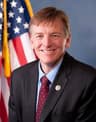 Paul Gosar
Republican · Arizona
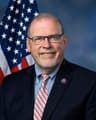 H. Griffith
Republican · Virginia
 James Gallagher
Republican · California
 Diana Harshbarger
Republican · Tennessee
 Harriet Hageman
Republican · Wyoming
 Jeff Hurd
Republican · Colorado
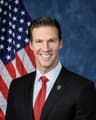 Pat Harrigan
Republican · North Carolina
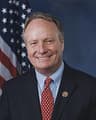 David Joyce
Republican · Ohio
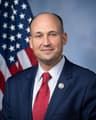 Nicholas Langworthy
Republican · New York
 Mariannette Miller-Meeks
Republican · Iowa
 Celeste Maloy
Republican · Utah
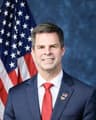 John McGuire
Republican · Virginia
 Dan Newhouse
Republican · Washington
 August Pfluger
Republican · Texas
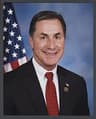 Gary Palmer
Republican · Alabama
 Claudia Tenney
Republican · New York
 Derrick Van Orden
Republican · Wisconsin
 Randy Weber
Republican · Texas
 Ryan Zinke
Republican · Montana