
A Republican bill with 10 Republican cosponsors · See all 10 cosponsors
Last activity — Referred to the Subcommittee on Transportation and Maritime Security.
In committee
Introduced and handed to a committee in the chamber it started in.
The committee holds it, and most bills are never heard from again. A hearing or a committee vote would be news; silence is the usual outcome, and it kills the bill without anyone voting against it.
Its path through Congress
- Introduced
- In Committee
What this bill would do
This bill aims to secure the borders of the United States, reform asylum laws, and enhance immigration enforcement. It requires the immediate resumption of border wall construction and the strengthening of physical barriers along the southern border. The legislation increases the number of Border Patrol agents, updates technology, and establishes new standards for border security personnel. Additionally, the bill reforms asylum eligibility criteria, restricts immigration parole, and mandates the use of an electronic employment verification system for workers.
Yes· 3 of 10
- Scored +9
Does this tighten control of the border?
The legislation mandates border wall construction, increases Border Patrol personnel, upgrades technology, and reforms asylum and parole laws to tighten border enforcement.
- Scored +5
Does this give the federal government more power?
The bill expands federal mandates on employment eligibility verification and immigration enforcement.
- Scored +4
Does this leave more decisions to the states?
The legislation permits state attorneys general to enforce certain detention and removal requirements and allows states to utilize business licensing to penalize non-compliance.
The opposite· 3 of 7
- Scored -9
Would immigrants be better off under this?
The legislation severely restricts asylum criteria, limits parole, expands penalties for illegal entry, and mandates detention and repatriation.
- Scored -8
Does this make it easier for immigrants already here to become citizens?
The bill restricts asylum eligibility, tightens parole, and increases enforcement measures, making legal entry and status acquisition significantly more difficult.
- Scored -5
Would farmers be better off under this?
Mandatory electronic employment verification and stringent penalties for paperwork and hiring violations create significant labor and compliance challenges for agricultural employers.
Who it would affect, and how
Potential Positive Impacts for People
- Section 102 of Division A: Resuming border wall construction and deploying tactical infrastructure and technology could help achieve operational control of the southern border and deter unlawful activity.
- Section 106 and Section 107 of Division A: Upgrading border security technology, such as license plate readers and secure communications, alongside hiring and retaining more Border Patrol agents, can improve safety and effectiveness for law enforcement officers and agents on the ground.
- Section 801 of Division B: Implementing a mandatory electronic employment verification system for new hires and expanding verification rules can help ensure that jobs are given to individuals who are legally authorized to work in the United States, protecting the legal workforce.
Potential Negative Impacts for People
- Section 101 of Division B: Denying asylum eligibility to individuals who transit through another country en route to the United States without first applying for and being denied protection in that transit country could place a heavy burden on individuals genuinely fleeing persecution who may not have access to a safe or effective asylum process in transit nations.
- Section 201 of Division B: Mandating the return of certain arriving aliens to a foreign territory contiguous to the United States while their proceedings are pending could place individuals in difficult or unsafe conditions outside of U.S. territory.
- Section 807 of Division B: Significantly increasing civil and criminal penalties for employers who fail to comply with employment verification requirements, with fines ranging up to $25,000 for certain violations, could impose heavy financial and administrative burdens on small businesses and agricultural employers.
Groups and Interests Ranking
Every group the model scored this bill for, from -10 to +10. Tap or hover a score for the reason it gave.
- Demographic And Interest Groups
- Would union members be better off under this? — Enforcement of strict legal workforce verification protects unionized domestic workers from unfair competition with unauthorized labor. Would veterans be better off under this, taking everything together? — The bill provides hiring flexibilities and waivers for veterans seeking employment with U.S. Customs and Border Protection. Would immigrants be better off under this? — The legislation severely restricts asylum criteria, limits parole, expands penalties for illegal entry, and mandates detention and repatriation. Would farmers be better off under this? — Mandatory electronic employment verification and stringent penalties for paperwork and hiring violations create significant labor and compliance challenges for agricultural employers. Would business owners be better off under this? — Mandatory E-Verify and severe penalties for non-compliance impose heavy administrative and financial burdens on employers. Would children be better off under this? — Changes to unaccompanied alien child repatriation and family detention policies may negatively impact arriving minors.
- Governance And Ideology
- Does this give the federal government more power? — The bill expands federal mandates on employment eligibility verification and immigration enforcement. Does this make what the government does easier for the public to see? — The bill mandates frequent public reporting of operational border statistics and agency data. Does this leave more decisions to the states? — The legislation permits state attorneys general to enforce certain detention and removal requirements and allows states to utilize business licensing to penalize non-compliance.
- National Security And Foreign Policy
- Does this put more money into stopping terrorism? — The bill enhances border screening technologies and requires strict alien criminal background checks to prevent terrorist entry. Does this strengthen ties with allied countries? — The legislation encourages international cooperation and negotiations with Western Hemisphere nations to manage regional migration flows.
- Social Issues And Justice
- Does this tighten control of the border? — The legislation mandates border wall construction, increases Border Patrol personnel, upgrades technology, and reforms asylum and parole laws to tighten border enforcement. Does this make it easier for immigrants already here to become citizens? — The bill restricts asylum eligibility, tightens parole, and increases enforcement measures, making legal entry and status acquisition significantly more difficult. Does this shorten or soften prison sentences? — The bill expands criminal penalties and creates new offenses related to unauthorized entry, visa overstays, and employment verification.
- Economy And Finance
- Is this likely to create jobs? — Mandating electronic employment verification systems helps ensure jobs are preserved for legal U.S. workers. Does this reduce what the federal government spends? — The bill redirects funding away from certain alternative detention and support programs toward border enforcement. Does this make it easier to run a small business? — Significantly increased penalties and mandatory employment verification requirements impose substantial compliance burdens on small businesses and agricultural employers.
- 7/7/2026
- Referred to the Subcommittee on Border Security and Enforcement.
- Referred to the Subcommittee on Oversight, Investigations, and Accountability.
- Referred to the Subcommittee on Transportation and Maritime Security.
- 6/9/2026
- 2 Cosponsors added.
- 6/8/2026
- Referred to the Committee on the Judiciary, and in addition to the Committees on Homeland Security, Ways and Means, Foreign Affairs, and Education and Workforce, for a period to be subsequently determined by the Speaker, in each case for consideration of such provisions as fall within the jurisdiction of the committee concerned.
- 8 Cosponsors added.
- Introduced in House
One bill Congress.gov lists as related to this one — companions in the other chamber, earlier versions, and bills this one absorbed or was folded into.
 Lauren Boebert
Republican · Colorado
 Andy Biggs
Republican · Arizona
 Michael Cloud
Republican · Texas
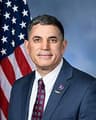 Andrew Clyde
Republican · Georgia
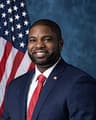 Byron Donalds
Republican · Florida
 Andy Harris
Republican · Maryland
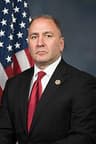 Clay Higgins
Republican · Louisiana
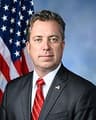 Andrew Ogles
Republican · Tennessee
 Scott Perry
Republican · Pennsylvania
 Keith Self
Republican · Texas