
A Democratic bill with 1 Republican cosponsor · See all 4 cosponsors
Last activity — Referred to the Committee on Transportation and Infrastructure, and in addition to the Committee on Ways and Means, for a period to be subsequently determined by the Speaker, in each case for consideration of such provisions as fall within the jurisdiction of the committee concerned.
In committee
Introduced and handed to a committee in the chamber it started in.
The committee holds it, and most bills are never heard from again. A hearing or a committee vote would be news; silence is the usual outcome, and it kills the bill without anyone voting against it.
Its path through Congress
- Introduced
- In Committee
What this bill would do
The America Bikes Act aims to establish programs that improve bicycle and pedestrian infrastructure while incentivizing bicycle use in transit. It modifies existing laws to increase federal funding shares for safety projects and provides grants for active transportation networks and spines. The bill includes provisions for on-bicycle education in schools and a new competitive grant program for bicycle transit integration. Additionally, it implements a temporary duty suspension on certain bicycle parts to encourage domestic assembly and manufacturing. Finally, it expands employer-provided fringe benefits for bicycle commuting.
Yes· 3 of 16
- Scored +5
Would children be better off under this?
The bill funds on-bicycle safety education for elementary and secondary school students.
- Scored +5
Would people with disabilities be better off under this?
The bill funds infrastructure to achieve compliance with the Americans with Disabilities Act.
- Scored +5
Does this improve buses, trains and other public transport?
The bill provides grants for bicycle transit integration projects like parking and bike sharing.
The opposite
No question was scored the opposite.
Who it would affect, and how
Potential Positive Impacts for People
-
Increased Funding for Safety Infrastructure: The bill allows the Federal share of highway safety improvement projects to be up to 100 percent for connecting existing infrastructure or reducing risks to vulnerable road users (Section 2).
-
Enhanced School Safety Education: The Secretary is required to revise guidelines to encourage nonmotorized safety education for elementary and secondary students, including skills, traffic rules, and helmet use (Section 4).
-
Support for Student Travel: The bill provides for grant funds to provide on-bicycle education to elementary and secondary school students (Section 3).
-
Increased Federal Support for Safe Routes to School: If a State employs a coordinator, the Federal share for eligible projects or activities increases to 95 percent (Section 5).
-
Development of Active Transportation Networks: The Secretary will carry out a program to provide grants for constructing safe and connected active transportation facilities, such as trails, sidewalks, and bicycle infrastructure (Section 6 and Section 7).
-
Economic Incentives for Domestic Manufacturing: A temporary duty suspension on certain bicycle parts is intended to increase the assembly and manufacturing of bicycles within the United States (Section 8).
-
Commuter Benefits for Employees: The bill expands qualified bicycle commuting benefits, allowing employers to provide reimbursements or direct provision of property like bicycles, electric bicycles, or scooters (Section 9).
-
Improved Transit Accessibility: A new program will provide grants for bicycle transit integration projects, such as developing bicycle parking at transit stations or expanding bicycle sharing programs (Section 14).
Potential Negative Impacts for People
-
Project Cost Limitations: For the active transportation infrastructure investment program, the Federal share of a grant is generally limited to 80 percent of the total project cost, unless the project serves disadvantaged communities with high poverty rates (Section 7).
-
Project Minimum Cost Requirements: To be considered an eligible project under the active transportation infrastructure investment program, a project must have a total cost of at least $15,000,000 (Section 7).
Groups and Interests Ranking
Every group the model scored this bill for, from -10 to +10. Tap or hover a score for the reason it gave.
- Demographic And Interest Groups
- Would children be better off under this? — The bill funds on-bicycle safety education for elementary and secondary school students. Would people with disabilities be better off under this? — The bill funds infrastructure to achieve compliance with the Americans with Disabilities Act. Would Native Americans be better off under this? — The bill provides assistance and grant opportunities specifically for Indian Tribes. Would students be better off under this? — The bill funds on-bicycle safety education and provides safe routes to school. Would business owners be better off under this? — The duty suspension on bicycle parts can benefit manufacturing and assembly businesses. Would households on low incomes be better off under this? — The bill targets infrastructure investment toward communities with high poverty rates. Would people over 65 be better off under this? — The bill includes infrastructure designed to provide safe routes for older adults. Would people in rural areas be better off under this? — The bill supports active transportation networks that can connect various community areas.
- Economy And Finance
- Is this likely to create jobs? — The duty suspension is intended to encourage the assembly and manufacturing of bicycles within the United States. Is this likely to grow the economy? — The bill invests in infrastructure and manufacturing that can stimulate local economies. Does this cut taxes for small businesses? — The temporary duty suspension on bicycle parts may reduce costs for businesses involved in domestic assembly. Does this make it easier to run a small business? — The duty suspension on bicycle parts helps domestic manufacturers and assemblers.
- Environment Energy And Infrastructure
- Does this improve buses, trains and other public transport? — The bill provides grants for bicycle transit integration projects like parking and bike sharing. Does this cut the pollution that drives climate change? — The bill encourages active transportation which reduces vehicle miles traveled and greenhouse gas emissions.
- Education And Technology
- Does this put more money into public schools? — The bill provides grant funds for on-bicycle education in elementary and secondary schools.
- Social Issues And Justice
- Is this likely to lift people out of poverty? — The bill prioritizes infrastructure investment in disadvantaged communities with high poverty rates.
- 5/26/2026
- Referred to the Committee on Transportation and Infrastructure, and in addition to the Committee on Ways and Means, for a period to be subsequently determined by the Speaker, in each case for consideration of such provisions as fall within the jurisdiction of the committee concerned.
- 4 Cosponsors added.
- Introduced in House
8 bills Congress.gov lists as related to this one — companions in the other chamber, earlier versions, and bills this one absorbed or was folded into.
- 119-HR-2011: Sarah Debbink Langenkamp Active Transportation Safety Act
- 119-HR-3904: U.S. Bicycle Production and Assembly Act
- 119-HR-3931: Kids on the Go Act of 2025
- 119-HR-3936: Bicycle Commuter Act of 2025
- 119-HR-4699: BIKE Act of 2025
- 119-HR-8514: Active Transportation for Public Lands Act
- 119-S-944: Sarah Debbink Langenkamp Active Transportation Safety Act
- 119-S-2023: Bicycle Commuter Act of 2025
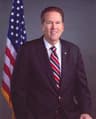 Vern Buchanan
Republican · Florida
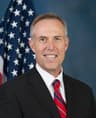 Jared Huffman
Democrat · California
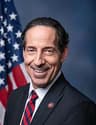 Jamie Raskin
Democrat · Maryland
 Hillary Scholten
Democrat · Michigan