
A Republican bill with 1 Democratic cosponsor · See all 8 cosponsors
Last activity — Referred to the House Committee on Ways and Means.
In committee
Introduced and handed to a committee in the chamber it started in.
The committee holds it, and most bills are never heard from again. A hearing or a committee vote would be news; silence is the usual outcome, and it kills the bill without anyone voting against it.
Its path through Congress
- Introduced
- In Committee
What this bill would do
The GRACIE Act of 2026 provides grants to help States record and retain child welfare interviews. These funds are intended for State agencies that conduct interviews regarding child abuse, neglect, or crimes against children. To receive a grant, States must implement policies requiring interviews to be recorded via electronic audio, body cameras, or other reasonable means. The bill also requires these recordings to be stored for at least five years. Furthermore, the act establishes specific rules for how these recordings can be released or accessed.
Yes
- Scored +5
Would children be better off under this?
The bill aims to improve the documentation of child abuse and neglect through required interview recordings.
- Scored +2
Is this likely to lift people out of poverty?
The bill provides structural support for documenting child welfare issues which is a component of addressing family instability.
The opposite
- Scored -2
Does this protect people from being watched or searched?
The bill mandates the collection and retention of sensitive interview recordings which increases data privacy considerations.
Who it would affect, and how
Potential Positive Impacts for People
-
Recording of interviews: States receiving grants must have a statute, ordinance, policy, or practice requiring all child welfare interviews to be recorded through methods like electronic audio or body cameras (Section 2(c)(2)).
-
Access to recordings for caregivers: Recordings must be made available to a caregiver or guardian upon request in connection with a judicial proceeding, unless a court orders otherwise (Section 2(c)(3)(A)(ii)).
-
Information gathering: The bill supports the process of eliciting information regarding concerns of abuse, neglect of a child, or other crimes against a child (Section 2(e)(2)).
Potential Negative Impacts for People
-
Restrictions on recording release: A copy of the recording may only be released to specific government agencies investigating an allegation or prosecuting an offense (Section 2(c)(3)(A)(i)).
-
Financial penalties: The bill requires that a penalty be imposed for violating the specific limitations placed on the release of these recordings (Section 2(c)(3)(A)(B)).
Groups and Interests Ranking
Every group the model scored this bill for, from -10 to +10. Tap or hover a score for the reason it gave.
- Demographic And Interest Groups
- Would children be better off under this? — The bill aims to improve the documentation of child abuse and neglect through required interview recordings.
- Governance And Ideology
- Does this protect people from being watched or searched? — The bill mandates the collection and retention of sensitive interview recordings which increases data privacy considerations.
- Social Issues And Justice
- Is this likely to lift people out of poverty? — The bill provides structural support for documenting child welfare issues which is a component of addressing family instability.
- 7/15/2026
- 1 Cosponsor added.
- 6/23/2026
- 1 Cosponsor added.
- 6/15/2026
- 1 Cosponsor added.
- 4/22/2026
- 1 Cosponsor added.
- 4/9/2026
- Referred to the House Committee on Ways and Means.
- 4 Cosponsors added.
- Introduced in House
 Nicole Malliotakis
Republican · New York
 Blake Moore
Republican · Utah
 Jared Moskowitz
Democrat · Florida
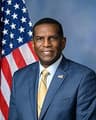 Burgess Owens
Republican · Utah
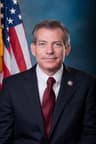 David Schweikert
Republican · Arizona
 Elise Stefanik
Republican · New York
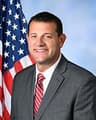 David Valadao
Republican · California
 Beth Van Duyne
Republican · Texas