
W. Steube (R-FL)
Disaster Zone Energy Affordability and Investment Act
A Republican bill with 7 Democratic cosponsors · See all 35 cosponsors
Last activity — Referred to the House Committee on Ways and Means.
In committee
Introduced and handed to a committee in the chamber it started in.
The committee holds it, and most bills are never heard from again. A hearing or a committee vote would be news; silence is the usual outcome, and it kills the bill without anyone voting against it.
Its path through Congress
- Introduced
- In Committee
What this bill would do
This bill is known as the Disaster Zone Energy Affordability and Investment Act. It allows certain taxpayers affected by federally declared disasters and other incidents to transfer a portion of their general business credit carryforwards. Specifically, it amends section 6418(f)(1)(A) of the Internal Revenue Code of 1986. The bill defines applicable general business credit carryforwards and eligible expenditures related to qualified disaster areas. It also provides a special rule regarding registration requirements by the Secretary of the Treasury.
Yes· 3 of 5
- Scored +5
Does this make it easier to run a small business?
The bill directly assists businesses in disaster-affected areas by allowing them to transfer business credits to improve liquidity.
- Scored +5
Would business owners be better off under this?
Business owners in disaster areas benefit from the ability to transfer and utilize business tax credits.
- Scored +4
Does this cut taxes for small businesses?
The bill provides financial flexibility to businesses in disaster areas by allowing the transfer of business credit carryforwards.
The opposite
No question was scored the opposite.
Who it would affect, and how
Potential Positive Impacts for People
- Section 2: This section allows taxpayers affected by certain disasters to transfer a portion of their general business credit carryforwards up to the amount of eligible expenditures they made during the taxable year. This could help these taxpayers by providing more flexibility with their tax credits after experiencing a disaster.
Potential Negative Impacts for People
- The provided text does not contain any specific sections or provisions that outline potential negative consequences or burdens for individuals or groups of people in the United States.
Groups and Interests Ranking
Every group the model scored this bill for, from -10 to +10. Tap or hover a score for the reason it gave.
- Economy And Finance
- Does this make it easier to run a small business? — The bill directly assists businesses in disaster-affected areas by allowing them to transfer business credits to improve liquidity. Does this cut taxes for small businesses? — The bill provides financial flexibility to businesses in disaster areas by allowing the transfer of business credit carryforwards. Is this likely to grow the economy? — By providing liquidity to businesses in disaster zones, it may help stabilize local economies during recovery.
- Demographic And Interest Groups
- Would business owners be better off under this? — Business owners in disaster areas benefit from the ability to transfer and utilize business tax credits.
- Environment Energy And Infrastructure
- Does this improve help for people hit by a disaster? — The bill provides indirect economic relief to those in areas designated as qualifying disaster zones.
- 9/28/2026
- 1 Cosponsor added.
- 9/16/2026
- 1 Cosponsor added.
- 9/8/2026
- 1 Cosponsor added.
- 6/29/2026
- 2 Cosponsors added.
- 5/29/2026
- 1 Cosponsor added.
- 5/21/2026
- 1 Cosponsor added.
- 5/11/2026
- 1 Cosponsor added.
- 4/29/2026
- 1 Cosponsor added.
- 4/27/2026
- 3 Cosponsors added.
- 4/9/2026
- 4 Cosponsors added.
- 3/26/2026
- 3 Cosponsors added.
- 3/18/2026
- 1 Cosponsor added.
- 3/4/2026
- 1 Cosponsor added.
- 3/3/2026
- 2 Cosponsors added.
- 2/23/2026
- 1 Cosponsor added.
- 2/20/2026
- 1 Cosponsor added.
- 2/12/2026
- 1 Cosponsor added.
- 2/9/2026
- Referred to the House Committee on Ways and Means.
- 9 Cosponsors added.
- Introduced in House
One bill Congress.gov lists as related to this one — companions in the other chamber, earlier versions, and bills this one absorbed or was folded into.
 Gus Bilirakis
Republican · Florida
 Vern Buchanan
Republican · Florida
 Aaron Bean
Republican · Florida
 James Comer
Republican · Kentucky
 Donald Davis
Democrat · North Carolina
 Mario Diaz-Balart
Republican · Florida
 Suzan DelBene
Democrat · Washington
 Neal Dunn
Republican · Florida
 Chuck Edwards
Republican · North Carolina
 Virginia Foxx
Republican · North Carolina
 Scott Franklin
Republican · Florida
 Carlos Gimenez
Republican · Florida
 Andrew Garbarino
Republican · New York
 Richard Hudson
Republican · North Carolina
 Mike Haridopolos
Republican · Florida
 Pat Harrigan
Republican · North Carolina
 David Kustoff
Republican · Tennessee
 Jennifer Kiggans
Republican · Virginia
 Laurel Lee
Republican · Florida
 Nick LaLota
Republican · New York
 Michael Lawler
Republican · New York
 Brian Mast
Republican · Florida
 Carol Miller
Republican · West Virginia
 Gregory Murphy
Republican · North Carolina
 Blake Moore
Republican · Utah
 Jared Moskowitz
Democrat · Florida
 Tim Moore
Republican · North Carolina
 Jimmy Patronis
Republican · Florida
 Maria Salazar
Republican · Florida
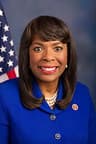 Terri Sewell
Democrat · Alabama
 Darren Soto
Democrat · Florida
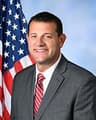 David Valadao
Republican · California
 Debbie Wasserman Schultz
Democrat · Florida
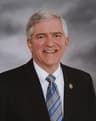 Daniel Webster
Republican · Florida
 Frederica Wilson
Democrat · Florida