
A Republican bill with 11 Democratic cosponsors · See all 41 cosponsors
Last activity — Placed on the Union Calendar, Calendar No. 59.
Cleared committee, waiting for its first floor vote
A committee approved it and it is on the calendar of the chamber it started in.
This is further than most bills get, and still no promise of a vote: the calendar is a queue, and the majority leadership decides what is called. A bill can sit here until the Congress ends.
Its path through Congress
- Introduced
- On Calendar
What this bill would do
The TAKE IT DOWN Act aims to require covered platforms to remove nonconsensual intimate visual depictions. It establishes criminal prohibitions against the intentional disclosure of such depictions and digital forgeries of identifiable individuals. The bill differentiates between offenses involving adults and those involving minors, with stricter penalties for the latter. Additionally, it mandates that covered platforms implement a specific notice and removal process for victims. The Federal Trade Commission is granted authority to enforce these notice and removal obligations.
Yes· 3 of 9
- Scored +8
Would children be better off under this?
The bill establishes stricter criminal penalties for the distribution of nonconsensual intimate images of minors.
- Scored +6
Does this put more rules on large technology companies?
The bill mandates that covered digital platforms implement specific notice and removal processes for harmful content.
- Scored +5
Would people in their twenties and thirties be better off under this?
The bill protects young adults from the digital harm and reputational damage of nonconsensual imagery.
The opposite
No question was scored the opposite.
Who it would affect, and how
Potential Positive Impacts for People
-
Protection against digital forgeries: The bill prohibits the publication of digital forgeries—created through AI or other technological means—that are indistinguishable from an authentic depiction of an individual (Section 2).
-
Criminal penalties for harmful disclosures: It establishes prison time and fines for people who knowingly publish intimate depictions of adults to cause harm, or depictions of minors intended to abuse, humiliate, or harass (Section 2).
-
Rapid removal of harmful content: Covered platforms must remove requested intimate visual depictions as soon as possible, but no later than 48 hours after receiving a valid request (Section 3).
-
Standardized removal process: The bill requires platforms to create a clear process for individuals to notify them and request the removal of nonconsensual content (Section 3).
-
Asset forfeiture and restitution: Convicted individuals may be required to forfeit material distributed in violation of the law, as well as property or proceeds derived from the violation, and may be ordered to pay restitution (Section 2).
Potential Negative Impacts for People
-
Criminal liability for publishing: Individuals who publish intimate depictions of adults or digital forgeries under specific circumstances can face fines and imprisonment for up to 2 or s years (Section 2).
-
Increased penalties for minors: Those who publish such content involving a minor can face higher fines and imprisonment for up to 3 years (Section 2).
-
Platform obligations and enforcement: Covered platforms are required to establish notice and removal processes within one year and may face enforcement actions by the Federal Trade Commission if they fail to comply with these obligations (Section 3).
Groups and Interests Ranking
Every group the model scored this bill for, from -10 to +10. Tap or hover a score for the reason it gave.
- Demographic And Interest Groups
- Would children be better off under this? — The bill establishes stricter criminal penalties for the distribution of nonconsensual intimate images of minors. Would women be better off under this? — The bill provides targeted legal recourse against the nonconsensual distribution of intimate imagery. Would people in their twenties and thirties be better off under this? — The bill protects young adults from the digital harm and reputational damage of nonconsensual imagery. Would households on low incomes be better off under this? — The bill allows for restitution to be paid to victims of these crimes.
- Education And Technology
- Does this put more rules on large technology companies? — The bill mandates that covered digital platforms implement specific notice and removal processes for harmful content.
- Economy And Finance
- Does this give people more protection from unfair business practices? — The bill protects individuals from the harm caused by the nonconsensual distribution of intimate images and digital forgeries.
- Social Issues And Justice
- Does this narrow the gap between how men and women are treated? — By criminalizing the nonconsensual sharing of intimate imagery, the bill provides protections often targeted at women. Is this likely to lift people out of poverty? — The bill includes provisions for restitution for victims of these digital violations.
- Governance And Ideology
- Does this make what the government does easier for the public to see? — The bill empowers the Federal Trade Commission to enforce platform compliance regarding content removal.
- 4/28/2025
- Reported by the Committee on Energy and Commerce. H. Rept. 119-82.
- Placed on the Union Calendar, Calendar No. 59.
- 4/9/2025
- 1 Cosponsor added.
- 4/8/2025
- Committee Consideration and Mark-up Session Held
- Ordered to be Reported by the Yeas and Nays: 49 - 1.
- 1 Cosponsor added.
- 4/7/2025
- 3 Cosponsors added.
- 4/1/2025
- 2 Cosponsors added.
- 3/31/2025
- 4 Cosponsors added.
- 3/24/2025
- 5 Cosponsors added.
- 3/10/2025
- 5 Cosponsors added.
- 3/5/2025
- 5 Cosponsors added.
- 3/4/2025
- 6 Cosponsors added.
- 2/6/2025
- 4 Cosponsors added.
- 1/22/2025
- Referred to the House Committee on Energy and Commerce.
- 5 Cosponsors added.
- Introduced in House
2 bills Congress.gov lists as related to this one — companions in the other chamber, earlier versions, and bills this one absorbed or was folded into.
 Stephanie Bice
Republican · Oklahoma
 Lauren Boebert
Republican · Colorado
 Vern Buchanan
Republican · Florida
 Robert Bresnahan
Republican · Pennsylvania
 Jim Costa
Democrat · California
 Henry Cuellar
Democrat · Texas
 Earl Carter
Republican · Georgia
 Salud Carbajal
Democrat · California
 Angie Craig
Democrat · Minnesota
 Dan Crenshaw
Republican · Texas
 Monica De La Cruz
Republican · Texas
 Debbie Dingell
Democrat · Michigan
 Madeleine Dean
Democrat · Pennsylvania
 Chuck Edwards
Republican · North Carolina
 Brian Fitzpatrick
Republican · Pennsylvania
 Russ Fulcher
Republican · Idaho
 Julie Fedorchak
Republican · North Dakota
 Lance Gooden
Republican · Texas
 Michael Guest
Republican · Mississippi
 Craig Goldman
Republican · Texas
 Clay Higgins
Republican · Louisiana
 Abraham Hamadeh
Republican · Arizona
 Jeff Hurd
Republican · Colorado
 Pat Harrigan
Republican · North Carolina
 Ro Khanna
Democrat · California
 Thomas Kean
Republican · New Jersey
 Susie Lee
Democrat · Nevada
 Nick LaLota
Republican · New York
 Nicole Malliotakis
Republican · New York
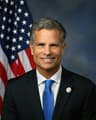 Daniel Meuser
Republican · Pennsylvania
 Ryan Mackenzie
Republican · Pennsylvania
 Sarah McBride
Democrat · Delaware
 Zachary Nunn
Republican · Iowa
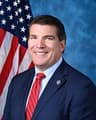 Jay Obernolte
Republican · California
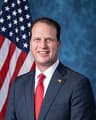 August Pfluger
Republican · Texas
 Stacey Plaskett
Democrat · Virgin Islands
 Christopher Smith
Republican · New Jersey
 Thomas Suozzi
Democrat · New York
 Jefferson Van Drew
Republican · New Jersey
 Joe Wilson
Republican · South Carolina
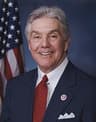 Roger Williams
Republican · Texas