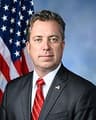
Andrew Ogles (R-TN)
Ending Chemical Abortions Act of 2025
A Republican bill with 21 Republican cosponsors · See all 21 cosponsors
Last activity — Referred to the House Committee on the Judiciary.
In committee
Introduced and handed to a committee in the chamber it started in.
The committee holds it, and most bills are never heard from again. A hearing or a committee vote would be news; silence is the usual outcome, and it kills the bill without anyone voting against it.
Its path through Congress
- Introduced
- In Committee
What this bill would do
This bill, known as the "Ending Chemical Abortions Act of 2025," seeks to amend title 18 of the United States Code to prohibit chemical abortions. It would establish criminal penalties of up to 25 years in prison and fines for anyone who prescribes, dispenses, distributes, or sells drugs intended to procure an abortion. The legislation includes specific exceptions for contraceptives, treating miscarriages, and certain life-threatening physical conditions certified by a physician. It also provides that a woman receiving the procedure cannot be criminally prosecuted. Additionally, the bill renames chapter 74 of title 18 to "Abortion crimes."
Yes
No question was scored yes.
The opposite· 3 of 5
- Scored -10
Does this make abortion easier to get?
The bill prohibits the prescription, sale, and distribution of drugs used for chemical abortions.
- Scored -7
Would women be better off under this?
The bill restricts a specific method of reproductive healthcare available to women.
- Scored -5
Does this narrow the gap between how men and women are treated?
The bill restricts access to reproductive healthcare options specifically used by women.
Who it would affect, and how
Potential Positive Impacts for People
-
Protection from criminal prosecution for women: Under Section 4(b)(c), a woman upon whom a chemical abortion is performed or attempted may not be criminally prosecuted.
-
Medical exceptions for life-threatening conditions: Section 4(b)(2) allows for exceptions when a woman suffers from a physical disorder, injury, or illness, including life-endangering conditions caused by pregnancy, provided a physician certifies the danger of death.
-
Treatment of miscarriages: Section 4(b)(1) allows for the treatment of a miscarriage according to accepted medical guidelines.
-
Continued access to contraception: Section 4(b)(0) ensures that the sale, use, prescription, or administration of contraceptive agents administered before conception or before pregnancy is confirmed is not prohibited.
Potential Negative Impacts for People
-
Criminal penalties for providers: Section 4(a) states that whoever prescribes, dispenses, distributes, or sells any drug or medication for the purpose of performing an abortion shall be imprisoned for not more than 25 years and/or fined.
-
Restrictions on medical procedures: The bill defines "abortion" in Section 4(d)(1) to include any intentional termination of pregnancy not intended to produce a live birth, remove a dead unborn child from a miscarriage, or treat an ectopic or molar pregnancy, which subjects those specific purposes to the new prohibitions.
Groups and Interests Ranking
Every group the model scored this bill for, from -10 to +10. Tap or hover a score for the reason it gave.
- Demographic And Interest Groups
- Would women be better off under this? — The bill restricts a specific method of reproductive healthcare available to women. Would households on low incomes be better off under this? — The prohibition of chemical abortions may disproportionately affect low-income individuals who rely on these more accessible methods.
- Healthcare
- Does this make abortion easier to get? — The bill prohibits the prescription, sale, and distribution of drugs used for chemical abortions.
- Social Issues And Justice
- Does this narrow the gap between how men and women are treated? — The bill restricts access to reproductive healthcare options specifically used by women.
- Governance And Ideology
- Does this protect people from being watched or searched? — The bill establishes criminal penalties for those distributing specific medications, which may impact personal medical privacy.
- 6/10/2026
- 1 Cosponsor added.
- 2/6/2025
- 1 Cosponsor added.
- 1/28/2025
- 1 Cosponsor added.
- 1/23/2025
- 2 Cosponsors added.
- 1/22/2025
- Referred to the House Committee on the Judiciary.
- 16 Cosponsors added.
- Introduced in House
 Rick Allen
Republican · Georgia
 Lauren Boebert
Republican · Colorado
 Mike Bost
Republican · Illinois
 Andy Biggs
Republican · Arizona
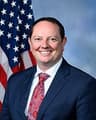 Eric Burlison
Republican · Missouri
 Josh Brecheen
Republican · Oklahoma
 Sheri Biggs
Republican · South Carolina
 Andrew Clyde
Republican · Georgia
 Ben Cline
Republican · Virginia
 Dan Crenshaw
Republican · Texas
 Elijah Crane
Republican · Arizona
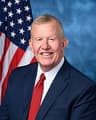 Mike Ezell
Republican · Mississippi
 Paul Gosar
Republican · Arizona
 Glenn Grothman
Republican · Wisconsin
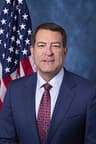 Mark Green
Republican · Tennessee
 Andy Harris
Republican · Maryland
 Trent Kelly
Republican · Mississippi
 Doug LaMalfa
Republican · California
 Mary Miller
Republican · Illinois
 Barry Moore
Republican · Alabama
 Randy Weber
Republican · Texas