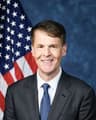
Jefferson Shreve (R-IN)
Dismantle Foreign Scam Syndicates Act
A Republican bill with 29 Democratic cosponsors · See all 73 cosponsors
Last activity — Ordered to be Reported in the Nature of a Substitute (Amended) by the Yeas and Nays: 48 - 0.
Introduced, nothing more yet
Formally proposed, and not yet handed to a committee.
Nearly every bill is sent to a committee within days. Introduction alone is not a sign of support, of momentum, or of any likelihood of passing — any member may introduce any bill.
Its path through Congress
- Introduced
What this bill would do
This bill creates an interagency task force led by the Secretary of State to shut down transnational criminal syndicates that run online financial scams targeting Americans. It requires the task force to develop a comprehensive government strategy within 180 days to dismantle scam centers and hold corrupt officials accountable. The bill targets human trafficking operations in Southeast Asia where victims are forced to work in these scam compounds under threat of violence. It mandates the President to impose specific sanctions on a listed group of foreign persons and entities involved in these scams within 180 days. Additionally, it authorizes support programs for trafficking victims and appropriates thirty million dollars for the Department of State for fiscal years 2026 and 2027.
Yes· 3 of 17
- Scored +7
Would immigrants be better off under this?
Provides support and reintegration services for trafficking victims forced into scam centers.
- Scored +7
Does this strengthen ties with allied countries?
Mandates coordination with allies and partners to combat transnational crime.
- Scored +7
Does this give people more protection from unfair business practices?
The bill aims to protect U.S. citizens from mass online financial scams and recover stolen assets.
The opposite
- Scored -2
Does this protect the right to fair treatment by the courts?
The broad authority for sanctions based on 'credible evidence' could potentially lead to misidentification.
Who it would affect, and how
Potential Positive Impacts for People
-
Support for Trafficking Victims: Section 8 authorizes the Secretary of State to provide trauma-informed care, shelter, reintegration, and support services for victims of human trafficking trapped inside online scam centers. This is positive because it helps rescue and heal individuals forced into labor under the threat of violent punishment.
-
Recovery of Stolen Assets: Section 5(a)(11) lists the recovery and return of stolen assets to defrauded United States persons as an objective of the task force strategy. This is beneficial for everyday Americans who have lost their life savings to these online financial schemes.
-
Sanctioning Perpetrators: Section 7 requires the President to impose applicable sanctions on specific foreign persons and entities, such as the Prince Group Holding Company and Huione Group, that are responsible for directing online financial scams against United States nationals. This accountability aims to crack down on the criminals stealing billions of dollars from the American people.
Potential Negative Impacts for People
- Potential for Sanction Waivers: Section 7(b) allows the President to waive the imposition of sanctions on listed foreign persons if it is determined to be vital to the national security interests of the United States. This could be seen as a negative loophole that lets specific wrongdoers escape accountability if a waiver is granted.
Groups and Interests Ranking
Every group the model scored this bill for, from -10 to +10. Tap or hover a score for the reason it gave.
- Demographic And Interest Groups
- Would immigrants be better off under this? — Provides support and reintegration services for trafficking victims forced into scam centers. Would retired people be better off under this? — Retirees are primary targets of the financial scams the bill intends to dismantle. Would people over 65 be better off under this? — Seniors are frequently targeted by 'pig butchering' and other online financial scams. Would billionaires be better off under this? — Protects high-value assets from cryptocurrency and investment scams. Would high-income households be better off under this? — Protects household savings from transnational financial crimes. Would people with substantial wealth be better off under this? — Protects high-value assets from cryptocurrency and investment scams. Would middle-income households be better off under this? — Protects household savings from transnational financial crimes. Would the very wealthiest people be better off under this? — Protects high-value assets from cryptocurrency and investment scams.
- National Security And Foreign Policy
- Does this strengthen ties with allied countries? — Mandates coordination with allies and partners to combat transnational crime. Does this better protect the country from computer attacks? — Uses offensive cyber capabilities and interagency coordination to degrade scam operations. Does this favour talking over confrontation abroad? — Pressure is applied to complicit foreign governments to cooperate in dismantling scam centers. Does this send more money or help to other countries? — Provides funding for trauma-informed care and shelter for trafficking victims abroad.
- Economy And Finance
- Does this give people more protection from unfair business practices? — The bill aims to protect U.S. citizens from mass online financial scams and recover stolen assets.
- Education And Technology
- Does this put more rules on large technology companies? — Requires partnerships and coordination with social media and tech platforms to disrupt scams.
- Healthcare
- Does this make mental health care easier to get? — Authorizes trauma-informed care for victims of trafficking in scam centers.
- Social Issues And Justice
- Is this likely to lift people out of poverty? — Efforts to recover stolen life savings can prevent financial ruin for victims.
- Governance And Ideology
- Does this give the federal government more power? — Establishes a new interagency Task Force with broad coordination powers. Does this protect the right to fair treatment by the courts? — The broad authority for sanctions based on 'credible evidence' could potentially lead to misidentification.
- 10/29/2026
- 1 Cosponsor added.
- 9/28/2026
- 1 Cosponsor added.
- 9/16/2026
- 1 Cosponsor added.
- 8/31/2026
- 1 Cosponsor added.
- 8/20/2026
- 1 Cosponsor added.
- 7/21/2026
- 2 Cosponsors added.
- 7/13/2026
- 1 Cosponsor added.
- 6/25/2026
- 1 Cosponsor added.
- 6/22/2026
- 1 Cosponsor added.
- 5/19/2026
- 1 Cosponsor added.
- 5/13/2026
- 2 Cosponsors added.
- 5/12/2026
- 5 Cosponsors added.
- 4/29/2026
- 1 Cosponsor added.
- 4/27/2026
- 1 Cosponsor added.
- 4/21/2026
- 1 Cosponsor added.
- 4/14/2026
- 1 Cosponsor added.
- 4/13/2026
- 1 Cosponsor added.
- 4/6/2026
- 1 Cosponsor added.
- 3/26/2026
- 1 Cosponsor added.
- 3/25/2026
- 1 Cosponsor added.
- 3/24/2026
- 2 Cosponsors added.
- 3/5/2026
- 1 Cosponsor added.
- 3/4/2026
- 1 Cosponsor added.
- 3/3/2026
- 4 Cosponsors added.
- 2/25/2026
- 3 Cosponsors added.
- 2/24/2026
- 1 Cosponsor added.
- 2/23/2026
- 4 Cosponsors added.
- 2/20/2026
- 3 Cosponsors added.
- 1/8/2026
- 1 Cosponsor added.
- 12/18/2025
- 2 Cosponsors added.
- 12/15/2025
- 3 Cosponsors added.
- 12/12/2025
- 1 Cosponsor added.
- 12/11/2025
- 2 Cosponsors added.
- 12/10/2025
- 2 Cosponsors added.
- 12/9/2025
- 1 Cosponsor added.
- 12/3/2025
- Committee Consideration and Mark-up Session Held
- Ordered to be Reported in the Nature of a Substitute (Amended) by the Yeas and Nays: 48 - 0.
- 5 Cosponsors added.
- 12/2/2025
- 3 Cosponsors added.
- 11/25/2025
- 1 Cosponsor added.
- 11/20/2025
- 1 Cosponsor added.
- 11/18/2025
- 1 Cosponsor added.
- 11/17/2025
- 1 Cosponsor added.
- 11/4/2025
- 1 Cosponsor added.
- 10/28/2025
- 1 Cosponsor added.
- 9/18/2025
- Referred to the Committee on Foreign Affairs, and in addition to the Committee on the Judiciary, for a period to be subsequently determined by the Speaker, in each case for consideration of such provisions as fall within the jurisdiction of the committee concerned.
- 2 Cosponsors added.
- Introduced in House
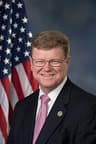 Mark Amodei
Republican · Nevada
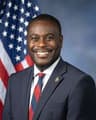 Gabe Amo
Democrat · Rhode Island
 Gus Bilirakis
Republican · Florida
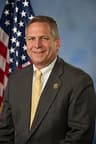 Mike Bost
Republican · Illinois
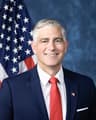 Michael Baumgartner
Republican · Washington
 Sheri Biggs
Republican · South Carolina
 André Carson
Democrat · Indiana
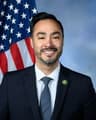 Joaquin Castro
Democrat · Texas
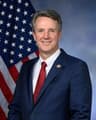 Ben Cline
Republican · Virginia
 Donald Davis
Democrat · North Carolina
 Warren Davidson
Republican · Ohio
 Troy Downing
Republican · Montana
 Brian Fitzpatrick
Republican · Pennsylvania
 Russell Fry
Republican · South Carolina
 Vince Fong
Republican · California
 Josh Gottheimer
Democrat · New Jersey
 Craig Goldman
Republican · Texas
 Laura Gillen
Democrat · New York
 Bill Huizenga
Republican · Michigan
 Josh Harder
Democrat · California
 Mike Haridopolos
Republican · Florida
 Jonathan Jackson
Democrat · Illinois
 Raja Krishnamoorthi
Democrat · Illinois
 Young Kim
Republican · California
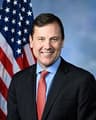 Thomas Kean
Republican · New Jersey
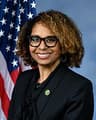 Sydney Kamlager-Dove
Democrat · California
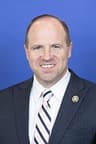 Timothy Kennedy
Democrat · New York
 Frank Lucas
Republican · Oklahoma
 Darin LaHood
Republican · Illinois
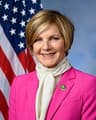 Susie Lee
Democrat · Nevada
 Michael Lawler
Republican · New York
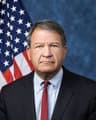 George Latimer
Democrat · New York
 James McGovern
Democrat · Massachusetts
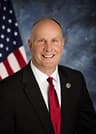 John Moolenaar
Republican · Michigan
 Seth Moulton
Democrat · Massachusetts
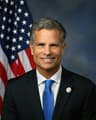 Daniel Meuser
Republican · Pennsylvania
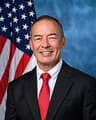 James Moylan
Republican · Guam
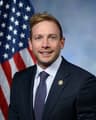 Max Miller
Republican · Ohio
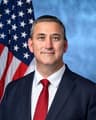 Nathaniel Moran
Republican · Texas
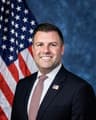 Ryan Mackenzie
Republican · Pennsylvania
 Mark Messmer
Republican · Indiana
 Tim Moore
Republican · North Carolina
 Kristen McDonald Rivet
Democrat · Michigan
 Sarah McBride
Democrat · Delaware
 Addison McDowell
Republican · North Carolina
 Eleanor Norton
Democrat · District of Columbia
 Johnny Olszewski
Democrat · Maryland
 August Pfluger
Republican · Texas
 Ayanna Pressley
Democrat · Massachusetts
 John Rutherford
Republican · Florida
 Michael Rulli
Republican · Ohio
 Josh Riley
Democrat · New York
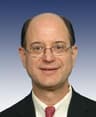 Brad Sherman
Democrat · California
 Christopher Smith
Republican · New Jersey
 Janice Schakowsky
Democrat · Illinois
 Elise Stefanik
Republican · New York
 Thomas Suozzi
Democrat · New York
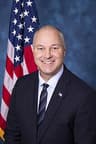 Pete Stauber
Republican · Minnesota
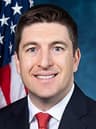 Bryan Steil
Republican · Wisconsin
 Shri Thanedar
Democrat · Michigan
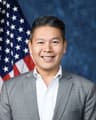 Derek Tran
Democrat · California
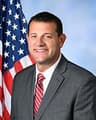 David Valadao
Republican · California
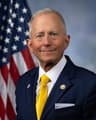 Jefferson Van Drew
Republican · New Jersey
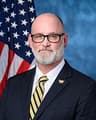 Derrick Van Orden
Republican · Wisconsin
 Eugene Vindman
Democrat · Virginia
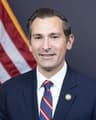 Matt Van Epps
Republican · Tennessee
 Joe Wilson
Republican · South Carolina
 Debbie Wasserman Schultz
Democrat · Florida
 Robert Wittman
Republican · Virginia
 Ann Wagner
Republican · Missouri
 Roger Williams
Republican · Texas
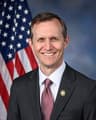 George Whitesides
Democrat · California
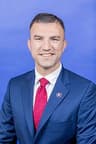 Rudy Yakym
Republican · Indiana