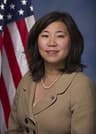
A Democratic bill with 77 Democratic cosponsors · See all 77 cosponsors
Last activity — Referred to the Committee on Education and Workforce, and in addition to the Committees on the Judiciary, Financial Services, Energy and Commerce, Transportation and Infrastructure, Ways and Means, and the Budget, for a period to be subsequently determined by the Speaker, in each case for consideration of such provisions as fall within the jurisdiction of the committee concerned.
In committee
Introduced and handed to a committee in the chamber it started in.
The committee holds it, and most bills are never heard from again. A hearing or a committee vote would be news; silence is the usual outcome, and it kills the bill without anyone voting against it.
Its path through Congress
- Introduced
- In Committee
What this bill would do
The Menstrual Equity For All Act of 2025 aims to increase the availability and affordability of menstrual products for people with limited access. This bill provides for free menstrual products in elementary and secondary schools, institutions of higher education, and federal buildings. It also mandates access for incarcerated individuals, detainees, and those in the Medicaid program. Additionally, the bill establishes grant programs and funding through the Social Services Block Grant and TANF to support low-income individuals. Finally, it prohibits states and local governments from taxing the retail sale of menstrual products.
Yes· 3 of 21
- Scored +7
Would households on low incomes be better off under this?
The bill provides significant relief for low-income individuals through Medicaid, TANF, and social service grants.
- Scored +7
Would women be better off under this?
The bill provides essential health and economic support specifically targeting menstruating individuals.
- Scored +6
Would students be better off under this?
The bill provides significant benefits to K-12 and higher education students.
The opposite
- Scored -2
Would business owners be better off under this?
The bill imposes new requirements and costs on employers with 100 or more employees.
Who it would affect, and how
Potential Positive Impacts for People
-
Educational Access: The bill requires schools to provide free menstrual products to students, which helps address "period poverty" that can cause students to miss educational opportunities (Section 3).
-
Higher Education Support: Through competitive grants, the bill supports programs providing free menstrual products to college and graduate students, specifically prioritizing community colleges and minority-serving institutions (Section 4).
-
Rights for Incarcerated and Detained Individuals: The bill requires that incarcerated individuals and detainees have access to menstrual products on demand and at no cost (Section 5).
-
Support for the Homeless: The act allows for the use of funds under the Emergency Food and Shelter Grant Program to provide menstrual products to those in need (Section 6).
-
Healthcare Coverage: The bill adds menstrual products as a covered item under Medicaid (Section 7).
-
Workplace Provision: Employers with at least 100 employees would be required to provide menstrual products free of charge (Section 8).
-
Public Accessibility: Menstrual products would be stocked and available free of charge in covered public restrooms in federal buildings (Section 9).
-
Financial Assistance for Low-Income Families: The bill uses the Social Services Block Grant and TANF to help low-income individuals and families obtain menstrual products (Sections 10 and 12).
-
Tax Relief: By making it unlawful for states or local governments to tax the retail sale of these products, the bill aims to improve affordability (Section 11).
Potential Negative Impacts for People
-
Financial Penalties for States: States that fail to certify that incarcerated individuals have access to free menstrual products face a 20 percent reduction in certain grant funding (Section 5).
-
Employer Costs: Employers with 100 or more employees will be required to provide menstrual products free of charge (Section 8).
Groups and Interests Ranking
Every group the model scored this bill for, from -10 to +10. Tap or hover a score for the reason it gave.
- Demographic And Interest Groups
- Would households on low incomes be better off under this? — The bill provides significant relief for low-income individuals through Medicaid, TANF, and social service grants. Would women be better off under this? — The bill provides essential health and economic support specifically targeting menstruating individuals. Would students be better off under this? — The bill provides significant benefits to K-12 and higher education students. Would children be better off under this? — The bill ensures elementary and secondary students have access to free menstrual products. Would Black Americans be better off under this? — The bill targets disparities that disproportionately affect Black households. Would Hispanic Americans be better off under this? — The bill targets disparities that disproportionately affect Hispanic households. Would Native Americans be better off under this? — The bill targets disparities that disproportionately affect Indigenous households. Would people in their twenties and thirties be better off under this? — The bill supports college students through grant-funded menstrual product programs. Would immigrants be better off under this? — The bill includes provisions for detained individuals, which can include immigrants. Would middle-income households be better off under this? — The bill provides minor economic relief by prohibiting retail taxes on menstrual products. Would business owners be better off under this? — The bill imposes new requirements and costs on employers with 100 or more employees.
- Social Issues And Justice
- Does this narrow the gap between how men and women are treated? — The bill promotes gender equity by ensuring access to essential menstrual products. Is this likely to lift people out of poverty? — The bill helps alleviate period poverty, a factor in the cycle of poverty. Does this narrow racial gaps in how people are treated? — The bill addresses period poverty which disproportionately affects minority households. Is this likely to reduce homelessness? — The bill provides resources for menstrual products to support individuals experiencing homelessness.
- Healthcare
- Does this put more money into Medicaid, the health coverage for people on low incomes? — The bill expands Medicaid coverage to include essential menstrual products. Does this make health care easier to get in general? — The bill improves access to basic health necessities through Medicaid and community grants. Does this make mental health care easier to get? — By addressing period poverty, the bill aims to mitigate associated mental health risks like depression.
- Education And Technology
- Does this make college cost less? — The bill provides grants to institutions of higher education to provide free products to students. Does this put more money into public schools? — The bill mandates providing free menstrual products in elementary and secondary schools.
- Governance And Ideology
- Does this give the federal government more power? — The bill increases federal oversight by requiring state certifications and providing federal grants.
- Economy And Finance
- Does this give people more protection from unfair business practices? — The bill provides consumer relief by prohibiting taxes on essential menstrual products.
- 10/29/2026
- 1 Cosponsor added.
- 8/17/2026
- 1 Cosponsor added.
- 7/9/2026
- 1 Cosponsor added.
- 4/23/2026
- 1 Cosponsor added.
- 1/13/2026
- 1 Cosponsor added.
- 12/2/2025
- 1 Cosponsor added.
- 9/11/2025
- 2 Cosponsors added.
- 7/23/2025
- 1 Cosponsor added.
- 7/10/2025
- 3 Cosponsors added.
- 6/25/2025
- 2 Cosponsors added.
- 6/6/2025
- 1 Cosponsor added.
- 6/3/2025
- 1 Cosponsor added.
- 5/29/2025
- Referred to the Committee on Education and Workforce, and in addition to the Committees on the Judiciary, Financial Services, Energy and Commerce, Transportation and Infrastructure, Ways and Means, and the Budget, for a period to be subsequently determined by the Speaker, in each case for consideration of such provisions as fall within the jurisdiction of the committee concerned.
- 61 Cosponsors added.
- Introduced in House
One bill Congress.gov lists as related to this one — companions in the other chamber, earlier versions, and bills this one absorbed or was folded into.
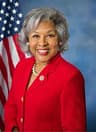 Joyce Beatty
Democrat · Ohio
 Julia Brownley
Democrat · California
 Nanette Barragán
Democrat · California
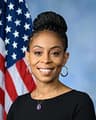 Shontel Brown
Democrat · Ohio
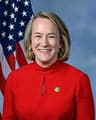 Nikki Budzinski
Democrat · Illinois
 Becca Balint
Democrat · Vermont
 Wesley Bell
Democrat · Missouri
 Yvette Clarke
Democrat · New York
 Steve Cohen
Democrat · Tennessee
 André Carson
Democrat · Indiana
 Judy Chu
Democrat · California
 Sean Casten
Democrat · Illinois
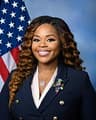 Sheila Cherfilus-McCormick
Democrat · Florida
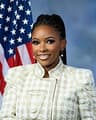 Jasmine Crockett
Democrat · Texas
 Lloyd Doggett
Democrat · Texas
 Christopher Deluzio
Democrat · Pennsylvania
 Suzan DelBene
Democrat · Washington
 Debbie Dingell
Democrat · Michigan
 Dwight Evans
Democrat · Pennsylvania
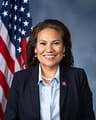 Veronica Escobar
Democrat · Texas
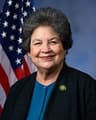 Lois Frankel
Democrat · Florida
 Valerie Foushee
Democrat · North Carolina
 Al Green
Democrat · Texas
 Josh Gottheimer
Democrat · New Jersey
 Jimmy Gomez
Democrat · California
 Jesús García
Democrat · Illinois
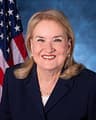 Sylvia Garcia
Democrat · Texas
 Daniel Goldman
Democrat · New York
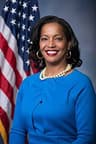 Jahana Hayes
Democrat · Connecticut
 Henry Johnson
Democrat · Georgia
 Pramila Jayapal
Democrat · Washington
 Sara Jacobs
Democrat · California
 William Keating
Democrat · Massachusetts
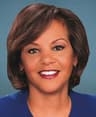 Robin Kelly
Democrat · Illinois
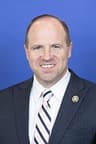 Timothy Kennedy
Democrat · New York
 Stephen Lynch
Democrat · Massachusetts
 Ted Lieu
Democrat · California
 Summer Lee
Democrat · Pennsylvania
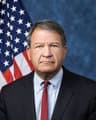 George Latimer
Democrat · New York
 James McGovern
Democrat · Massachusetts
 Gregory Meeks
Democrat · New York
 Doris Matsui
Democrat · California
 Seth Moulton
Democrat · Massachusetts
 Joseph Morelle
Democrat · New York
 Frank Mrvan
Democrat · Indiana
 Morgan McGarvey
Democrat · Kentucky
 Seth Magaziner
Democrat · Rhode Island
 Kevin Mullin
Democrat · California
 Robert Menendez
Democrat · New Jersey
 Jennifer McClellan
Democrat · Virginia
 LaMonica McIver
Democrat · New Jersey
 Jerrold Nadler
Democrat · New York
 Eleanor Norton
Democrat · District of Columbia
 Alexandria Ocasio-Cortez
Democrat · New York
 Chellie Pingree
Democrat · Maine
 Mark Pocan
Democrat · Wisconsin
 Mike Quigley
Democrat · Illinois
 Delia Ramirez
Democrat · Illinois
 Emily Randall
Democrat · Washington
 Marilyn Strickland
Democrat · Washington
 Terri Sewell
Democrat · Alabama
 Mary Gay Scanlon
Democrat · Pennsylvania
 Mikie Sherrill
Democrat · New Jersey
 Kim Schrier
Democrat · Washington
 Melanie Stansbury
Democrat · New Mexico
 Suhas Subramanyam
Democrat · Virginia
 Lateefah Simon
Democrat · California
 Paul Tonko
Democrat · New York
 Rashida Tlaib
Democrat · Michigan
 Lori Trahan
Democrat · Massachusetts
 Ritchie Torres
Democrat · New York
 Jill Tokuda
Democrat · Hawaii
 Nydia Velázquez
Democrat · New York
 Juan Vargas
Democrat · California
 Nikema Williams
Democrat · Georgia
 Debbie Wasserman Schultz
Democrat · Florida
 Bonnie Watson Coleman
Democrat · New Jersey