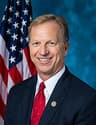
A Republican bill with 39 Republican cosponsors · See all 39 cosponsors
Last activity — Referred to the House Committee on Ways and Means.
In committee
Introduced and handed to a committee in the chamber it started in.
The committee holds it, and most bills are never heard from again. A hearing or a committee vote would be news; silence is the usual outcome, and it kills the bill without anyone voting against it.
Its path through Congress
- Introduced
- In Committee
What this bill would do
This bill, titled the "Tackling Predatory Litigation Funding Act," aims to amend the Internal Revenue Code of 1986. It seeks to establish a new tax on income received by third-party entities that provide financing for litigation. The tax is calculated based on the highest rate of tax under section 1 plus 3.8 percentage points. This tax applies to "qualified litigation proceeds" received by a "covered party." The legislation also includes provisions for withholding these taxes at the source. The changes are intended to take effect for taxable years beginning after December 31, 2025.
Yes
- Scored +3
Does this give people more protection from unfair business practices?
By taxing litigation financing, it may reduce predatory lending practices in civil litigation.
- Scored +3
Does this give the federal government more power?
The bill expands federal authority by creating a new tax chapter in the Internal Revenue Code.
The opposite
- Scored -5
Does this raise the taxes companies pay?
The bill imposes a new tax on corporations providing litigation financing.
- Scored -4
Would business owners be better off under this?
The bill imposes significant new tax and withholding obligations on litigation financing businesses.
- Scored -3
Does this raise taxes on the highest earners?
The tax applies to high-income third-party entities receiving litigation proceeds.
Who it would affect, and how
Potential Positive Impacts for People
-
Exemption for Small Agreements: Litigation financing agreements where the total amount of funds is less than $10,000 are not subject to these rules, which could protect smaller-scale financing arrangements (Section 2, Sec. 5000E-2(3)(C)(i)).
-
Exemption for Standard Loan Repayments: Third parties are not subject to the tax if their right to receive proceeds is limited to the repayment of the principal of a loan, or the principal plus interest at a specific capped rate (Section 2, Sec. 5000E-2(3)(C)(ii)).
-
Exemption for Attorney Fee Reimbursement: The tax does not apply to agreements where the third party's right to receive proceeds is limited to the reimbursement of attorney's fees (Section 2, Sec. 5000E-2(3)(C)(ii)).
Potential Negative Impacts for People
-
New Tax Burden on Litigation Funders: A tax is imposed on any "covered party" that receives income from a litigation financing agreement. This tax is set at the highest tax rate plus an additional 3.8 percentage points (Section 2, Sec. 5000E-1(a) and (b)).
-
Withholding Requirements for Parties Involved: People or law firms that have entered into a litigation financing agreement may be required to deduct and withhold 50 percent of the applicable tax percentage from the payments made to the third party (Section 2, Sec. 5000E-3(a)).
-
Tax Application to Pass-Thru Entities: For entities such as partnerships or S corporations that act as covered parties, the tax is applied at the entity level (Section 2, Sec. 5000E-1(c)).
-
Restrictions on Tax Offsets: For the purpose of calculating "qualified litigation proceeds," income cannot be reduced or offset by ordinary or capital losses within the taxable year (Section 2, Sec. 5000E-2(4)(B)).
Groups and Interests Ranking
Every group the model scored this bill for, from -10 to +10. Tap or hover a score for the reason it gave.
- Economy And Finance
- Does this give people more protection from unfair business practices? — By taxing litigation financing, it may reduce predatory lending practices in civil litigation. Does this raise the taxes companies pay? — The bill imposes a new tax on corporations providing litigation financing. Does this raise taxes on the highest earners? — The tax applies to high-income third-party entities receiving litigation proceeds.
- Demographic And Interest Groups
- Would business owners be better off under this? — The bill imposes significant new tax and withholding obligations on litigation financing businesses.
- Governance And Ideology
- Does this give the federal government more power? — The bill expands federal authority by creating a new tax chapter in the Internal Revenue Code.
- 9/8/2026
- 2 Cosponsors added.
- 7/14/2026
- 4 Cosponsors added.
- 6/30/2026
- 2 Cosponsors added.
- 6/29/2026
- 1 Cosponsor added.
- 6/24/2026
- 3 Cosponsors added.
- 6/8/2026
- 1 Cosponsor added.
- 6/4/2026
- 2 Cosponsors added.
- 5/21/2026
- 1 Cosponsor added.
- 5/4/2026
- 2 Cosponsors added.
- 4/23/2026
- 1 Cosponsor added.
- 3/16/2026
- 1 Cosponsor added.
- 2/13/2026
- 1 Cosponsor added.
- 1/22/2026
- 1 Cosponsor added.
- 1/12/2026
- 1 Cosponsor added.
- 11/18/2025
- 2 Cosponsors added.
- 9/26/2025
- 1 Cosponsor added.
- 7/25/2025
- 1 Cosponsor added.
- 6/24/2025
- 1 Cosponsor added.
- 6/12/2025
- 1 Cosponsor added.
- 6/9/2025
- 2 Cosponsors added.
- 6/5/2025
- 2 Cosponsors added.
- 6/2/2025
- 3 Cosponsors added.
- 5/29/2025
- 2 Cosponsors added.
- 5/20/2025
- Referred to the House Committee on Ways and Means.
- 1 Cosponsor added.
- Introduced in House
One bill Congress.gov lists as related to this one — companions in the other chamber, earlier versions, and bills this one absorbed or was folded into.
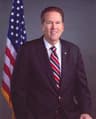 Vern Buchanan
Republican · Florida
 Tom Barrett
Republican · Michigan
 Sheri Biggs
Republican · South Carolina
 Mike Carey
Republican · Ohio
 Warren Davidson
Republican · Ohio
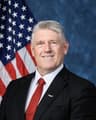 Troy Downing
Republican · Montana
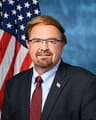 Chuck Edwards
Republican · North Carolina
 Randy Feenstra
Republican · Iowa
 Mike Flood
Republican · Nebraska
 Glenn Grothman
Republican · Wisconsin
 Lance Gooden
Republican · Texas
 Andrew Garbarino
Republican · New York
 Craig Goldman
Republican · Texas
 Andy Harris
Republican · Maryland
 Richard Hudson
Republican · North Carolina
 Ashley Hinson
Republican · Iowa
 Pat Harrigan
Republican · North Carolina
 Mike Kelly
Republican · Pennsylvania
 David Kustoff
Republican · Tennessee
 Darin LaHood
Republican · Illinois
 Michael Lawler
Republican · New York
 Nicole Malliotakis
Republican · New York
 Tracey Mann
Republican · Kansas
 Carol Miller
Republican · West Virginia
 Gregory Murphy
Republican · North Carolina
 Blake Moore
Republican · Utah
 Richard McCormick
Republican · Georgia
 Ryan Mackenzie
Republican · Pennsylvania
 Tim Moore
Republican · North Carolina
 Addison McDowell
Republican · North Carolina
 August Pfluger
Republican · Texas
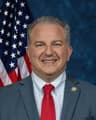 Jimmy Patronis
Republican · Florida
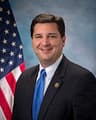 David Rouzer
Republican · North Carolina
 Adrian Smith
Republican · Nebraska
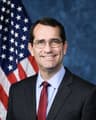 Derek Schmidt
Republican · Kansas
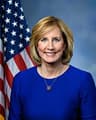 Claudia Tenney
Republican · New York
 Derrick Van Orden
Republican · Wisconsin
 Daniel Webster
Republican · Florida
 Rudy Yakym
Republican · Indiana