
Lisa McClain (R-MI)
Protecting Student Athletes’ Economic Freedom Act of 2025
A Republican bill with 9 Republican cosponsors · See all 9 cosponsors
Last activity — Referred to the House Committee on Education and Workforce.
In committee
Introduced and handed to a committee in the chamber it started in.
The committee holds it, and most bills are never heard from again. A hearing or a committee vote would be news; silence is the usual outcome, and it kills the bill without anyone voting against it.
Its path through Congress
- Introduced
- In Committee
What this bill would do
This bill, titled the "Protecting Student Athletes' Economic Freedom Act of 2025," aims to prevent student athletes from being classified as employees. It specifies that participation in varsity intercollegiate athletics cannot be used to establish an employment relationship. This prohibition applies to the student athlete or former student athlete, as well as the institutions, conferences, or associations involved. The Act covers various aspects of participation, including following rules or requirements for team membership. It defines the specific roles of associations, conferences, and higher education institutions in this context.
Yes
- Scored +5
Would business owners be better off under this?
This bill benefits institutions and organizations by relieving them of the legal and financial obligations of employing athletes.
The opposite· 3 of 5
- Scored -5
Would union members be better off under this?
The denial of employee status for student-athletes could set a precedent that limits worker rights in other sectors.
- Scored -5
Does this strengthen the rights of workers to organise?
By preventing student-athletes from being classified as employees, the bill limits their ability to collectively bargain or access labor protections.
- Scored -3
Would students be better off under this?
Student-athletes may lose potential wage-earning opportunities and labor-related benefits due to this classification.
Who it would affect, and how
Potential Positive Impacts for People
-
Clarification of Employment Status: The bill states that a student athlete or former student athlete may not be considered an employee of an institution, conference, or association based on their participation in varsity intercollegiate athletics programs or competitions (Section 2). This provides a specific legal standing regarding employment status.
-
Protection Against Employment Claims based on Rules: The bill ensures that the existence of rules or requirements for being a member of a varsity sports team cannot be used to establish an employment relationship (Section 2).
Potential Negative Impacts for People
- No specific negative impacts or burdens are explicitly listed within the provided text.
Groups and Interests Ranking
Every group the model scored this bill for, from -10 to +10. Tap or hover a score for the reason it gave.
- Demographic And Interest Groups
- Would business owners be better off under this? — This bill benefits institutions and organizations by relieving them of the legal and financial obligations of employing athletes. Would union members be better off under this? — The denial of employee status for student-athletes could set a precedent that limits worker rights in other sectors. Would students be better off under this? — Student-athletes may lose potential wage-earning opportunities and labor-related benefits due to this classification. Would people in their twenties and thirties be better off under this? — Most student-athletes are young adults who may be disadvantaged by the lack of employee status and associated rights.
- Economy And Finance
- Does this strengthen the rights of workers to organise? — By preventing student-athletes from being classified as employees, the bill limits their ability to collectively bargain or access labor protections.
- Education And Technology
- Does this make college cost less? — By precluding student-athletes from employee status, they may lose access to wages and benefits that could offset educational costs.
- 4/7/2025
- Referred to the House Committee on Education and Workforce.
- 9 Cosponsors added.
- Introduced in House
 Robert Aderholt
Republican · Alabama
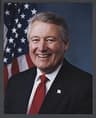 Rick Allen
Republican · Georgia
 Virginia Foxx
Republican · North Carolina
 Mark Harris
Republican · North Carolina
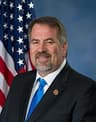 Doug LaMalfa
Republican · California
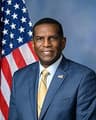 Burgess Owens
Republican · Utah
 Robert Onder
Republican · Missouri
 Glenn Thompson
Republican · Pennsylvania
 Tim Walberg
Republican · Michigan